Ultimate Guide: How to Grow Black Raspberries in Your Backyard
Master the art of growing black raspberries with our step-by-step guide. From site selection and planting to pruning, pest control, and harvesting, get tips for a thriving crop of flavorful berries.
Introduction
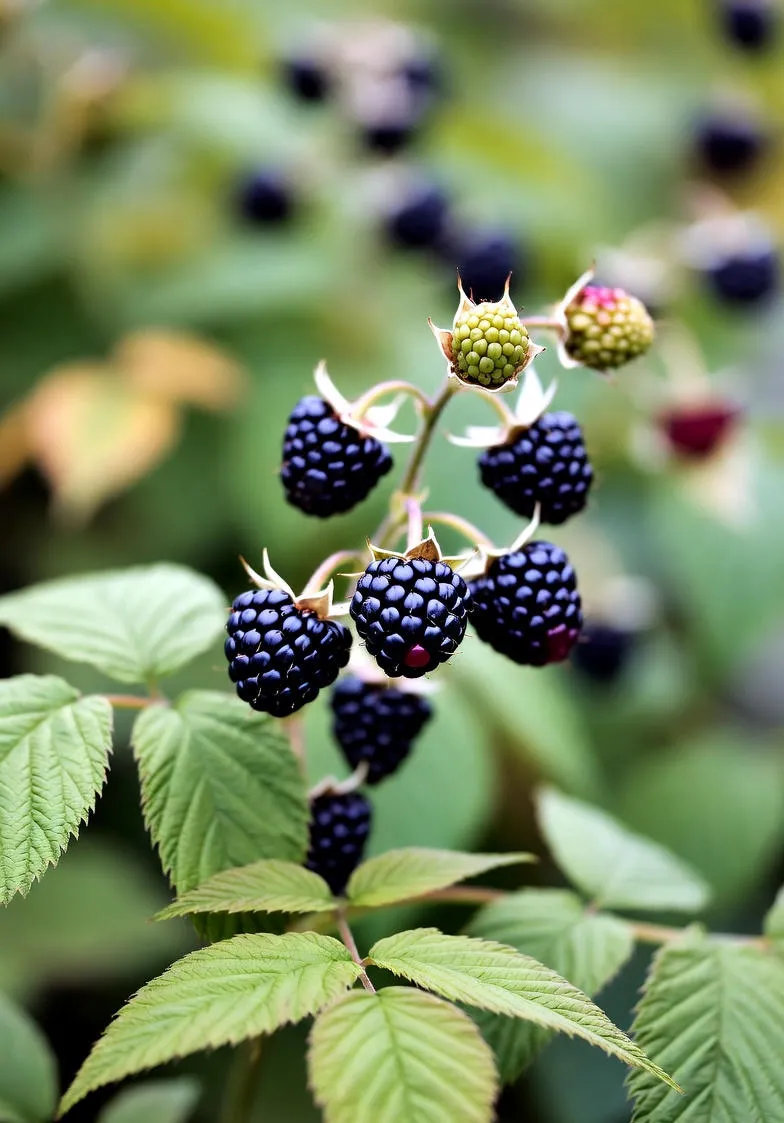
Black raspberries, with their rich, intense flavor and deep purple hue, are a delightful addition to any home garden. Unlike their red counterparts, black raspberries offer a unique tart-sweet profile that makes them perfect for fresh eating, jams, pies, and even wines. Native to North America, these vigorous perennials thrive in a variety of conditions but require specific care to produce bountiful crops. Whether you're a seasoned gardener or a novice with a green thumb, this guide will walk you through every step of cultivating black raspberries, from selecting the right spot in your yard to savoring the first harvest. By following these proven techniques, you can enjoy homegrown berries year after year, enhancing your landscape with both beauty and bounty.
Choosing the Right Varieties
Selecting the appropriate variety is the foundation of successful black raspberry cultivation. These plants come in several cultivars, each with distinct characteristics suited to different climates and preferences. For instance, 'Bristol' is a thornless option that yields large, firm berries early in the season, making it ideal for beginners who want ease of harvest. If you're in a cooler region like the Midwest, consider 'Jewel' for its disease resistance and flavorful, glossy fruit that ripens in mid-summer. 'Mac Black' offers late-season production, extending your harvest window, while 'Ohio's Treasure'—an heirloom favorite—brings robust vigor and natural pest tolerance, perfect for organic growers.
When choosing, factor in your local hardiness zone; black raspberries are generally hardy to USDA zones 4-8 but perform best in zones 5-7. Opt for certified disease-free plants from reputable nurseries to avoid introducing viruses early on. Remember, black raspberries are summer-bearing, producing fruit on second-year canes, so patience is key—expect a full harvest in the second or third year after planting. By picking varieties that match your soil, climate, and taste preferences, you'll set the stage for thriving plants and delicious rewards.
Selecting the Perfect Site
Your black raspberries' location can make or break their success. These plants crave full sun, at least six to eight hours daily, to fuel robust growth and sweeten their berries. Position them in a spot sheltered from harsh winds, perhaps along a fence or near a natural windbreak like evergreens, to prevent cane breakage during storms. Good air circulation is crucial too, as it wards off fungal diseases that thrive in stagnant, humid air—space rows accordingly and avoid crowding with other tall plants.
Steer clear of low-lying frost pockets where cold air settles, as black raspberries are somewhat less cold-hardy than red varieties and can suffer winter damage in exposed areas. If your yard has heavy clay or poorly drained soil, consider raised beds or mounds to elevate roots above waterlogged zones. Proximity matters as well: keep black raspberries at least 300 feet from wild brambles or red raspberries to prevent virus transmission via aphids. With the right site, your plants will establish strong root systems and flourish without undue stress.
Preparing Your Soil
Healthy soil is the unsung hero of black raspberry growth. These berries prefer slightly acidic, well-drained loamy soil with a pH between 5.5 and 6.5. Start by testing your soil's pH and nutrient levels using a home kit or sending a sample to your local extension service. If the pH is too high (alkaline), incorporate elemental sulfur or pine needles; for overly acidic conditions, add lime sparingly.
Enrich the soil with organic matter like compost, aged manure, or leaf mold to boost fertility and improve structure. Aim for a mix that's crumbly and holds shape when squeezed but doesn't puddle water. Till or loosen the top 12-18 inches to encourage deep roots, and incorporate a balanced fertilizer like 10-10-10 at planting time. Avoid fresh manure, which can burn roots or attract pests. Proper preparation ensures your plants access the nutrients they need for vigorous canes and plump berries, setting a solid base for seasons to come.
Planting Black Raspberries
Timing and technique are everything when planting black raspberries. The best window is early spring, just as the soil warms and after the last frost threat passes, allowing roots to establish before summer heat. In milder climates, fall planting (six to eight weeks before frost) works well for root development over winter.
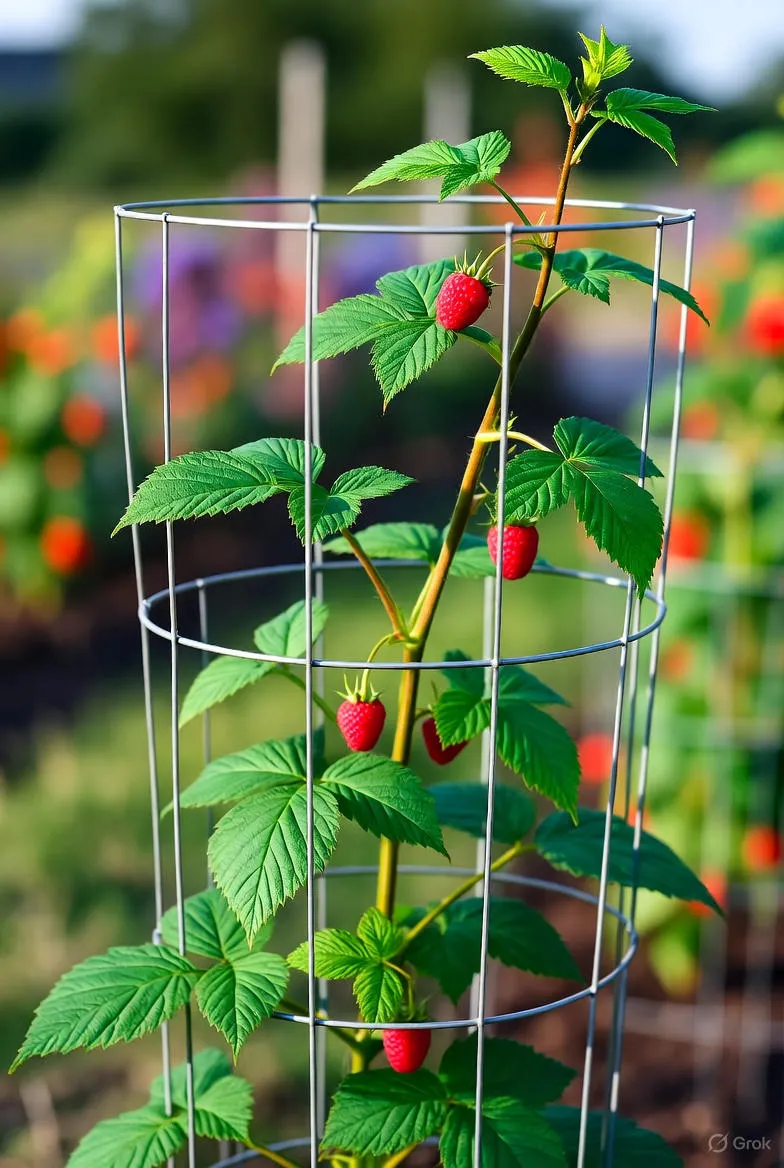
Using the hill system, space plants 2-3 feet apart in rows 6-8 feet wide to allow for trellising and air flow. Dig holes twice as wide and as deep as the root ball—about 6-8 inches deep—and spread roots outward without bending. Set the crown (where roots meet canes) at soil level to prevent rot, then firm the soil gently and water deeply to settle it. Apply a 2-4 inch layer of mulch, such as straw or wood chips, around the base to conserve moisture and suppress weeds, keeping it away from the canes to avoid rodent issues. With careful planting, your black raspberries will quickly take hold and begin their productive cycle.
Daily Care and Maintenance
Watering Wisely
Consistent moisture is vital for black raspberries, especially during fruit development. Provide 1-2 inches of water per week, more in hot, dry spells, using drip irrigation or soaker hoses to deliver water directly to roots and keep foliage dry. This minimizes disease risk while ensuring even soil moisture—aim for damp but not soggy conditions. In the first year, water every two to three days if rainfall is scarce, tapering as roots deepen. Mulch helps retain moisture, reducing your watering needs and promoting healthy growth.
Fertilizing for Fertility
Feed your plants sparingly to avoid lush foliage at the expense of fruit. In early spring, before bud break, apply a balanced fertilizer at 1-2 pounds per 100 feet of row, or use an organic alternative like fish emulsion. Side-dress with nitrogen-rich amendments in late spring if growth seems sluggish, but always base applications on soil tests to prevent imbalances. Over-fertilizing can lead to weak canes prone to tipping over, so moderation is key to balanced, fruitful plants.
Mulching Mastery
A good mulch layer not only conserves water but also regulates soil temperature, smothers weeds, and adds organic matter as it breaks down. Replenish annually in spring, targeting 3-4 inches around each plant. Organic options like shredded bark or compost are ideal, fostering beneficial soil microbes that enhance nutrient uptake.
Pruning for Maximum Yield
Pruning is non-negotiable for black raspberries, as they fruit only on second-year wood. Perform major cuts in late winter or early spring, removing all dead, damaged, or diseased canes at ground level. Thin the remaining primocanes (first-year growth) to 4-6 sturdy stems per plant, spacing them for light penetration and air flow.
After harvest, immediately cut spent floricanes (fruiting canes) to the ground to redirect energy to new growth. In summer, tip primocanes at 24-30 inches tall by pinching off the top 2-3 inches—this encourages branching and more fruiting sites next year. Use clean, sharp pruners to make precise cuts, and dispose of debris to curb disease spread. Regular pruning not only boosts yields but also keeps your patch tidy and productive for years.
Managing Pests and Diseases
Black raspberries face threats from insects like Japanese beetles, cane borers, and fruitworms, as well as diseases such as anthracnose, verticillium wilt, and orange rust. Prevention starts with healthy plants: choose resistant varieties, maintain spacing, and practice crop rotation every few years.
For pests, deploy row covers during vulnerable periods, hand-pick visible offenders, or introduce beneficial insects like ladybugs. Organic sprays like neem oil or insecticidal soap offer gentle control without harming pollinators. Monitor for disease signs—wilting, rust-colored spots, or cankers—and prune affected parts promptly, sterilizing tools between cuts. In severe cases, fungicides may be necessary, but cultural practices like good drainage and full sun exposure are your first line of defense. Vigilance ensures your berries stay healthy and harvest-ready.
Harvesting Your Berries
The payoff arrives in early to mid-summer, when berries turn glossy black and slip easily from their cores—a sign of peak ripeness. Harvest every two to three days, ideally in the morning when fruits are coolest, to capture peak flavor and firmness. Gently tug berries into your palm to avoid bruising, and use shallow trays for storage to prevent crushing.
Expect 1-2 quarts per mature plant under ideal conditions, with yields increasing over time. Birds love these treats too, so netting may be needed as ripening nears. Post-harvest, your plants enter dormancy, but a thorough cleanup sets them up for next season's bounty. Fresh-picked black raspberries are unmatched in taste, evoking summer's essence in every juicy bite.
Propagation and Expansion
Once established, black raspberries propagate effortlessly via tip layering or suckers. In late summer, bend flexible cane tips to the ground, covering them with soil to root—new plants emerge by fall. Alternatively, dig and transplant suckers (offshoot canes) in spring, spacing them in new rows for patch expansion.
This natural method lets you share plants with friends or rejuvenate aging beds every 5-7 years. Root cuttings taken in winter also work, planted shallowly to sprout. With propagation, your raspberry venture grows sustainably, turning a small investment into a sprawling, fruit-filled legacy.
Common Mistakes to Avoid
Even experienced gardeners stumble with black raspberries. A top error is improper pruning timing, especially in short-season areas, where post-harvest cuts leave tender new growth vulnerable to frost—delay major pruning until late winter instead. Another pitfall: planting in full, unrelenting sun without shade mimicry; these woodland natives prefer dappled light, so edge-of-woods spots yield better than open fields.
Neglecting soil health leads to weak plants prone to borers and blights—always test and amend. Over-mulching in wet soils invites root rot, so balance is essential. Finally, choosing trendy hybrids over hardy heirlooms often backfires with pest woes; stick to locals for resilience. Sidestep these, and your raspberries will reward you generously.
Conclusion
Growing black raspberries transforms your backyard into a haven of flavor and fragrance, blending ease with abundance. From variety selection and site prep to meticulous pruning and pest watch, each step builds toward that magical harvest moment. Embrace the process—the arching canes, buzzing bees, and stained fingers—and you'll cultivate not just berries, but a deeper connection to the earth. With dedication, your patch will thrive for decades, providing endless inspiration and sweet sustenance. Ready to dig in? Your first black raspberry awaits.