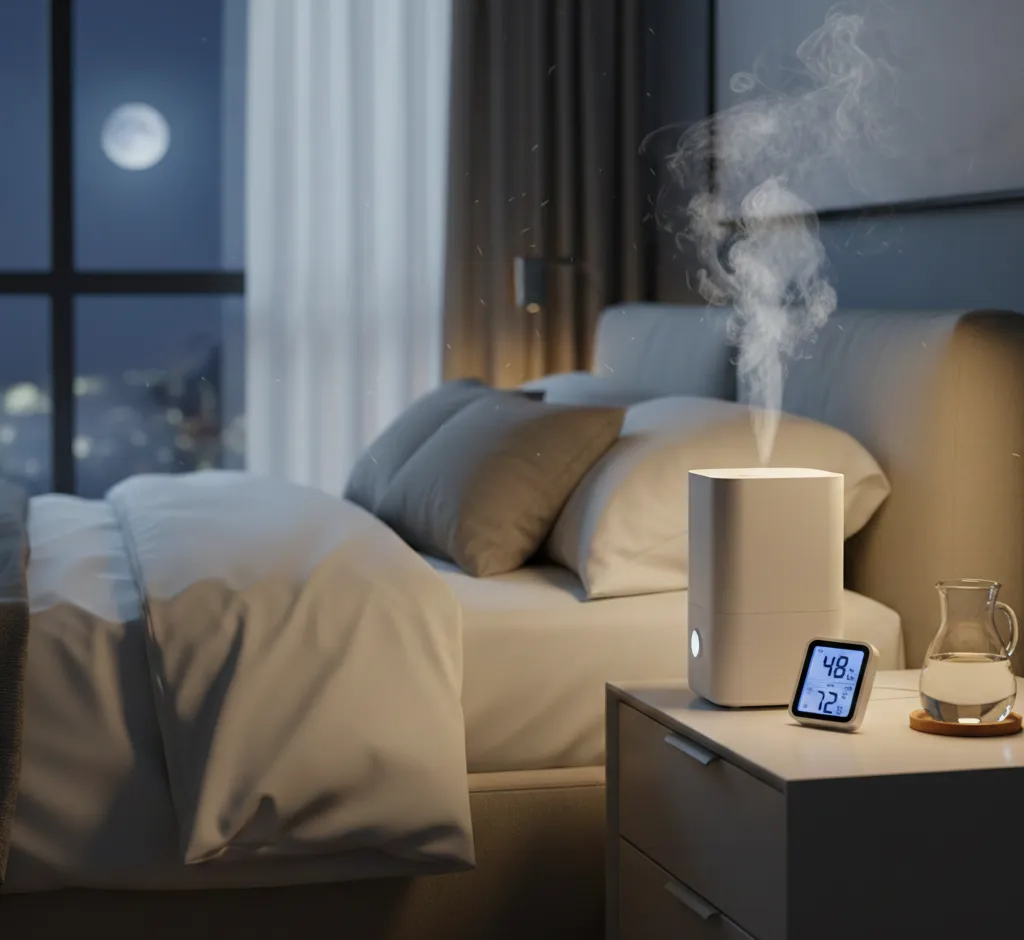
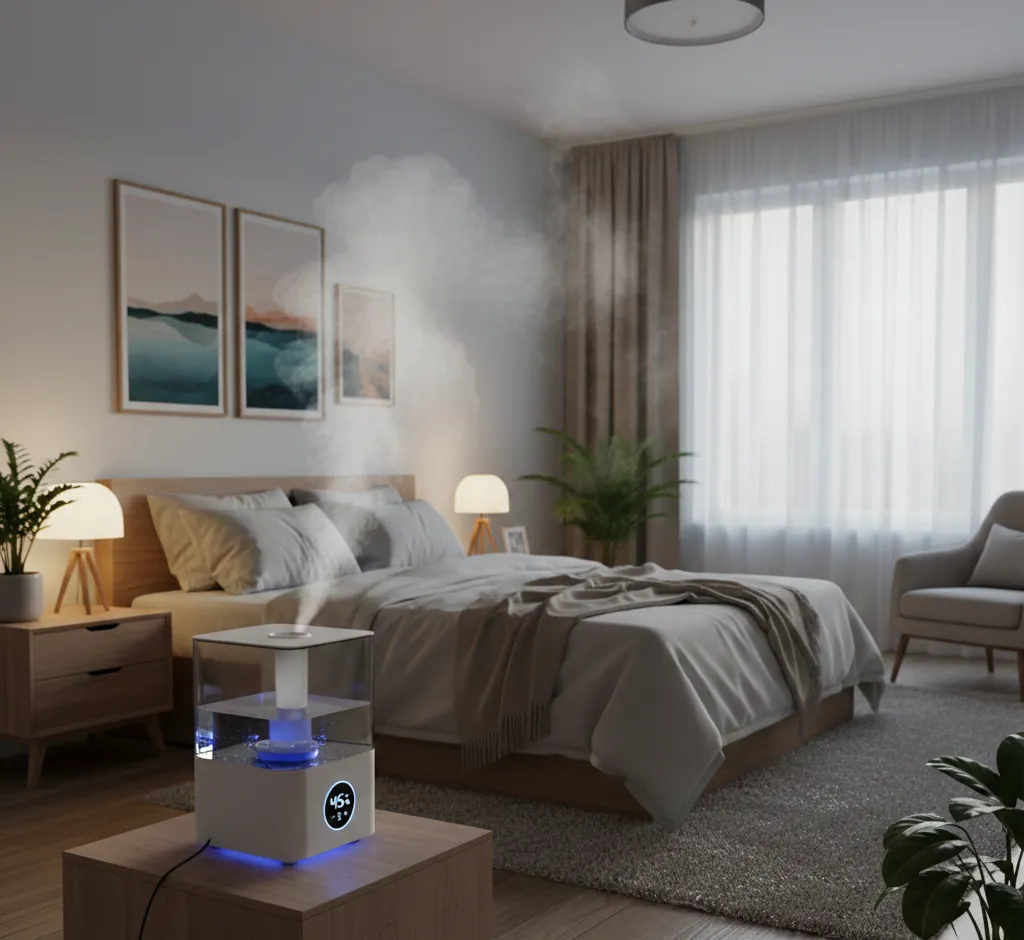
Ultrasonic Humidifiers and Silent Nighttime Operation: A Complete Guide
Learn how to choose and use an ultrasonic humidifier for truly silent nighttime operation. Discover key features, noise factors, placement tips, and maintenance advice for a peaceful, comfortable sleep environment.
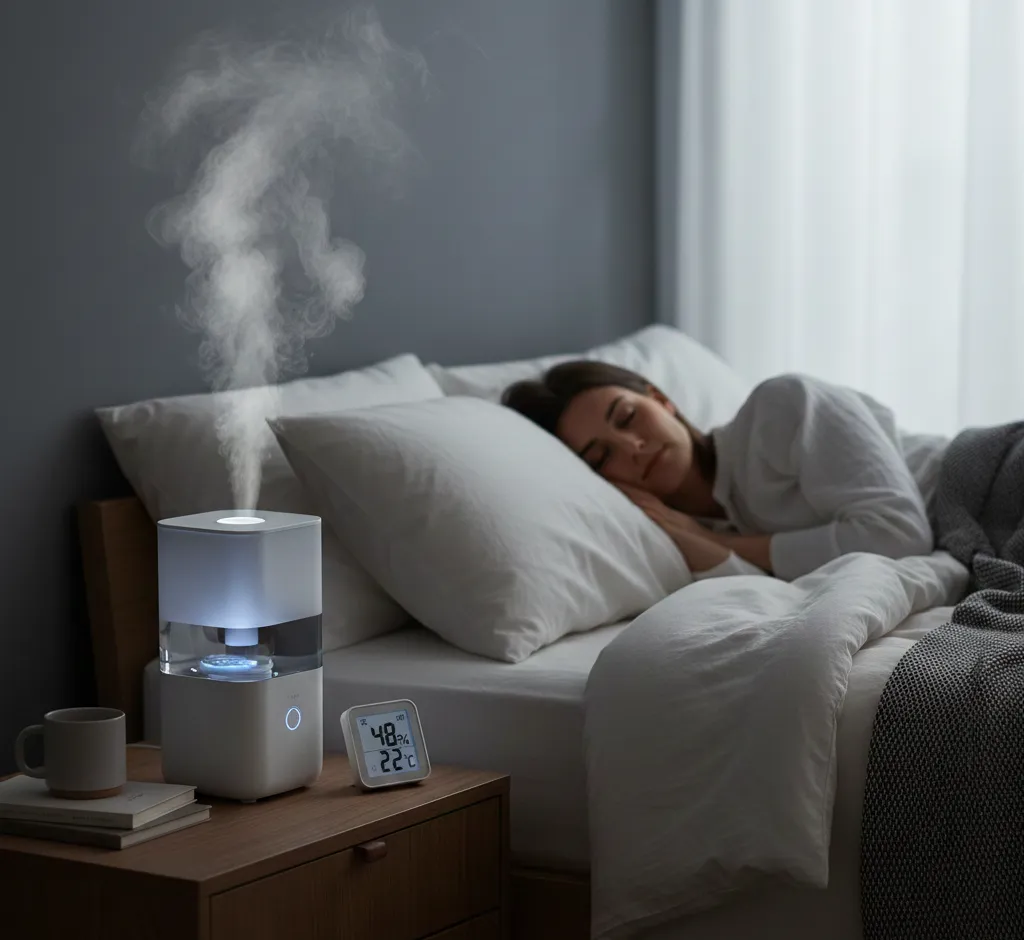
Waking up with a dry throat, stuffy nose, or irritated skin is a common sign that the air in your bedroom is too dry. An ultrasonic humidifier can quickly raise the humidity level and make the air feel more comfortable, especially in winter or in air-conditioned rooms. But if the device is noisy, it can disturb your sleep instead of improving it. That is why silent operation at night is one of the main features people look for when choosing a humidifier.
In this guide, you will learn how ultrasonic humidifiers work, what affects their noise level, how to choose a truly quiet model for the bedroom, and how to use and maintain it so it stays both silent and hygienic.
What Is an Ultrasonic Humidifier?
An ultrasonic humidifier is a device that uses high-frequency sound vibrations to turn water into a fine mist, which is then released into the air to increase humidity. Unlike traditional warm-mist or evaporative models, ultrasonic units do not boil water or use a fan to evaporate it. Instead, a vibrating metal or ceramic diaphragm creates microscopic water droplets that form a cool, visible mist.
Key components
- Water tank – holds the water that will be converted into mist.
- Ultrasonic diaphragm – vibrates at ultrasonic frequencies to break water into tiny droplets.
- Mist chamber and outlet – channels the mist out into the room.
- Control panel and sensors – allow you to adjust mist output, set timers, or maintain a target humidity.
This technology is inherently quieter than fan-based systems, which is why ultrasonic humidifiers are often marketed as ideal for bedrooms and nurseries.
Why Silent Operation at Night Matters
Even low-level noise can affect sleep quality, particularly during lighter sleep stages. A humming motor, dripping water, or rattling plastic housing from a poorly designed humidifier can cause micro-awakenings you might not remember, but that can leave you feeling less rested in the morning.
Benefits of a quiet ultrasonic humidifier at night
- Deeper, more restorative sleep – Less background noise helps your brain stay in deeper sleep stages longer.
- Better breathing comfort – Proper humidity can ease congestion, dry throat, and nasal irritation without adding disruptive noise.
- Improved skin and mucous membrane hydration – Moist air helps prevent dry skin, cracked lips, and dry eyes overnight.
- Comfort for babies and children – Young sleepers can be especially sensitive to both dry air and noise, so quiet humidification is crucial in nurseries.
The goal is to maintain a healthy humidity level between 40–60% relative humidity while keeping the sound level low enough not to disturb sleep, often around or below typical bedroom background noise.
How Ultrasonic Humidifiers Generate Noise
Although ultrasonic technology is quieter than many alternatives, these devices are not automatically silent. Understanding where the noise comes from helps you choose and use a unit that stays unobtrusive at night.
Main sources of sound
- Vibration of internal components – The ultrasonic diaphragm and its housing vibrate at very high frequencies, and some of that energy can transfer into the plastic body of the device, creating a faint hum or buzz.
- Water movement and bubbling – As water flows from the reservoir to the mist chamber, it can produce gurgling, dripping, or sloshing sounds, especially when the tank is nearly empty or poorly designed.
- Cooling fans – Some ultrasonic units incorporate a small internal fan to distribute mist more evenly; if the fan is low quality, it can generate noticeable airflow noise.
- Loose parts or thin housing – Unstable bases, rattling covers, or thin plastic casings can amplify small internal vibrations into more audible rattles.
Manufacturers use several engineering solutions to minimize these sounds, such as rubber dampers, thicker housing, improved water channels, and carefully tuned fans. When you know what to look for, you can pick a model that remains practically inaudible in a quiet bedroom.
Key Features for Silent Nighttime Operation
If you are shopping for an ultrasonic humidifier specifically for nighttime use, there are several features and specifications that can indicate better sound performance.
1. Low decibel (dB) rating
Many manufacturers now specify the sound level of their humidifiers in decibels. A typical quiet bedroom is around 30 dB. For night use, look for models that advertise operation in the range of 20–30 dB or labelled as "whisper quiet" with a clear numeric spec to back it up.
2. Dedicated sleep or night mode
Sleep or night modes reduce the mist output and fan speed (if present) to minimize noise. They may also switch off indicator lights or dim the display, helping keep the bedroom dark and quiet.
- Lower mist output reduces water flow noise and vibration.
- Automatic humidity control can prevent frequent on/off cycles that may wake you.
- Muted beeps or disabled button sounds avoid sharp noises in the middle of the night.
3. Adjustable mist level
The highest mist setting is not always necessary, especially in smaller rooms. Running an ultrasonic humidifier at medium or low output often makes it dramatically quieter. Choose a model with multiple output levels so you can balance sound and humidity.
4. Top-fill and stable design
Design details can also influence noise:
- Top-fill tanks reduce the need to flip and reposition heavy water containers, minimizing accidental sloshing and wear over time.
- Wide, stable base reduces vibration transfer to the furniture surface, which otherwise can act as a resonating board and amplify noise.
- Anti-vibration pads or feet further dampen mechanical vibrations.
5. Quiet fan or fanless operation
Some ultrasonic humidifiers are essentially fanless or use extremely small, low-speed fans, which are much quieter. If you are very sensitive to noise, look for models advertised as no-fan design or with a focus on silent bedroom use.
Best Practices for Quiet Use at Night
Even the quietest humidifier can become annoying if it is not positioned or used correctly. A few simple adjustments can make a big difference in perceived noise.
Optimal placement in the bedroom
- Distance from the bed: Place the humidifier at least 1–2 meters away from your head. Sound intensity drops with distance, and this also prevents mist from blowing directly onto bedding or furniture.
- Stable, flat surface: Use a sturdy nightstand, dresser, or small table. Avoid wobbly surfaces that can amplify vibration.
- Soft underlay: Putting a soft mat, felt pad, or folded towel under the base can significantly reduce transmitted vibration and low-level humming.
Use the right settings at night
- Activate the dedicated sleep mode if your device has one.
- Manually lower the mist output to the minimum needed to maintain comfortable humidity.
- Set a timer (for example, 4–8 hours) so the unit does not over-humidify the room or run dry before morning.
- Disable or mute button sounds and alerts if possible.
Experiment for several nights to find the lowest output that still keeps relative humidity in the 40–60% range. A small, well-sealed bedroom often needs less mist than you might expect.
Balancing Humidity and Silence
Silence is important, but so is achieving the right humidity. Over-humidifying can lead to condensation on windows, damp bedding, or even mold growth, while under-humidifying will not solve your dry-air problems. Ultrasound-based devices can sometimes increase humidity very quickly, especially in small rooms.
Use a hygrometer for accuracy
To avoid guessing, consider placing a simple digital hygrometer in your bedroom. Many are inexpensive and show both temperature and relative humidity. This lets you fine-tune your humidifier settings to reach a comfortable level without overdoing it.
Automatic humidity control
Higher-end ultrasonic humidifiers include a built-in humidistat that measures room humidity and adjusts mist output automatically. This can significantly reduce unnecessary operation time at night, which not only keeps noise down but also saves water and energy.
Maintenance and Cleaning for Quiet, Safe Operation
Proper maintenance does more than protect your health; it also contributes to quieter performance. Mineral buildup, biofilm, and clogged components can change how water flows and how the diaphragm vibrates, sometimes making the device louder or less smooth.
Regular cleaning schedule
- Daily or every use: Empty leftover water, rinse the tank with clean water, and let parts air-dry when possible. This reduces bacterial growth and prevents odors.
- Weekly: Clean the tank and internal surfaces with a mild solution of water and white vinegar or a manufacturer-recommended cleaner to remove mineral deposits and slime.
- Monthly: Inspect seals, gaskets, and the mist outlet for buildup that might affect water flow and noise.
Use distilled or demineralized water
Tap water can contain significant mineral content, which not only creates white dust on nearby surfaces but can also accumulate around the ultrasonic diaphragm and internal channels. This buildup can alter vibration patterns and water flow, occasionally causing new buzzing or gurgling noises.
Using distilled, demineralized, or filtered water minimizes this risk and often keeps the unit running quietly for longer intervals between deep cleanings.
Safety Considerations for Nighttime Use
Running a humidifier while you sleep means you are not actively monitoring it, so it is important to set it up safely and use it correctly.
Essential safety tips
- Follow manufacturer instructions: Use only recommended water types, cleaning agents, and replacement parts.
- Keep away from electronics and outlets: Place the humidifier where the mist will not fall directly onto sockets, power strips, or sensitive devices.
- Do not block air circulation: Make sure there is enough space around the unit for mist to disperse to avoid condensation on walls and ceilings.
- Use built-in auto shut-off: Choose a model that automatically switches off when the tank runs empty to prevent overheating and unnecessary noise from a struggling pump.
Comparing Ultrasonic Humidifiers to Other Types at Night
To appreciate why ultrasonic models are preferred for silent nighttime operation, it helps to compare them briefly with other common humidifier technologies.
Evaporative (wick or fan-based) humidifiers
- How they work: A fan blows air through a saturated wick or filter, evaporating water into the air.
- Typical noise: The fan generates a constant airflow sound, which can be similar to a small desk fan or louder.
- Nighttime verdict: Some people enjoy the "white noise" effect, but others find the fan too noticeable compared with ultrasonic devices.
Warm-mist (steam) humidifiers
- How they work: They boil water to create steam, which then cools slightly before entering the room.
- Typical noise: Boiling water can produce bubbling or hissing sounds, especially as the tank empties.
- Nighttime verdict: Often louder than ultrasonic models and can pose a burn risk if placed within reach of children.
Ultrasonic humidifiers
- How they work: Use high-frequency vibration to create a cool mist without boiling or large fans.
- Typical noise: Very low; often just a soft hum or faint water sound at higher settings.
- Nighttime verdict: Usually the quietest option when designed with sleep in mind, making them ideal for bedrooms and nurseries.
Practical Checklist Before Sleeping
To ensure truly silent and safe operation at night, run through this quick routine before going to bed:
- Check water level: Make sure the tank has enough water to last the night or that auto shut-off is enabled.
- Confirm settings: Turn on sleep mode or select a low mist setting appropriate for room size.
- Verify placement: Ensure the humidifier is on a stable surface, away from the bed and electronics.
- Monitor humidity: Glance at your hygrometer or built-in display to keep humidity between 40–60%.
- Lights and sounds: Dim or switch off bright displays and mute any beeps or alerts.
Conclusion: Enjoy Quiet Comfort All Night
An ultrasonic humidifier can transform a dry, uncomfortable bedroom into a more restful environment, but only if it operates quietly enough not to disturb your sleep. By understanding how these devices work, what causes noise, and which features to look for, you can confidently choose a model that delivers both comfort and silence.
Combine the right device with smart placement, appropriate settings, regular cleaning, and safe operation, and you will enjoy healthy humidity and peaceful sleep throughout the night. Whether you are supporting respiratory health, protecting your skin, or creating a better sleep environment for children, a well-chosen ultrasonic humidifier with truly silent nighttime operation can make a noticeable difference in how you feel every morning.