Using Salt Lamps to Add Moisture Naturally: Myths, Benefits, and Better Alternatives
Discover the truth about using Himalayan salt lamps to add moisture naturally. Learn what salt lamps really do, why they are not true humidifiers, and effective natural ways to increase humidity at home.
Salt lamps have become a popular wellness and home decor trend, praised for everything from improving air quality to boosting mood. One of the more persistent claims is that Himalayan salt lamps can naturally add moisture to the air and work like a mini humidifier. But is that really true?
In this article, you will learn what salt lamps actually do, how they interact with moisture in the air, why they are not effective humidifiers, and what you can do instead if you want to increase humidity naturally in your home. We will also cover practical tips on using salt lamps safely and effectively for ambiance and relaxation.
What Is a Salt Lamp and How Does It Work?
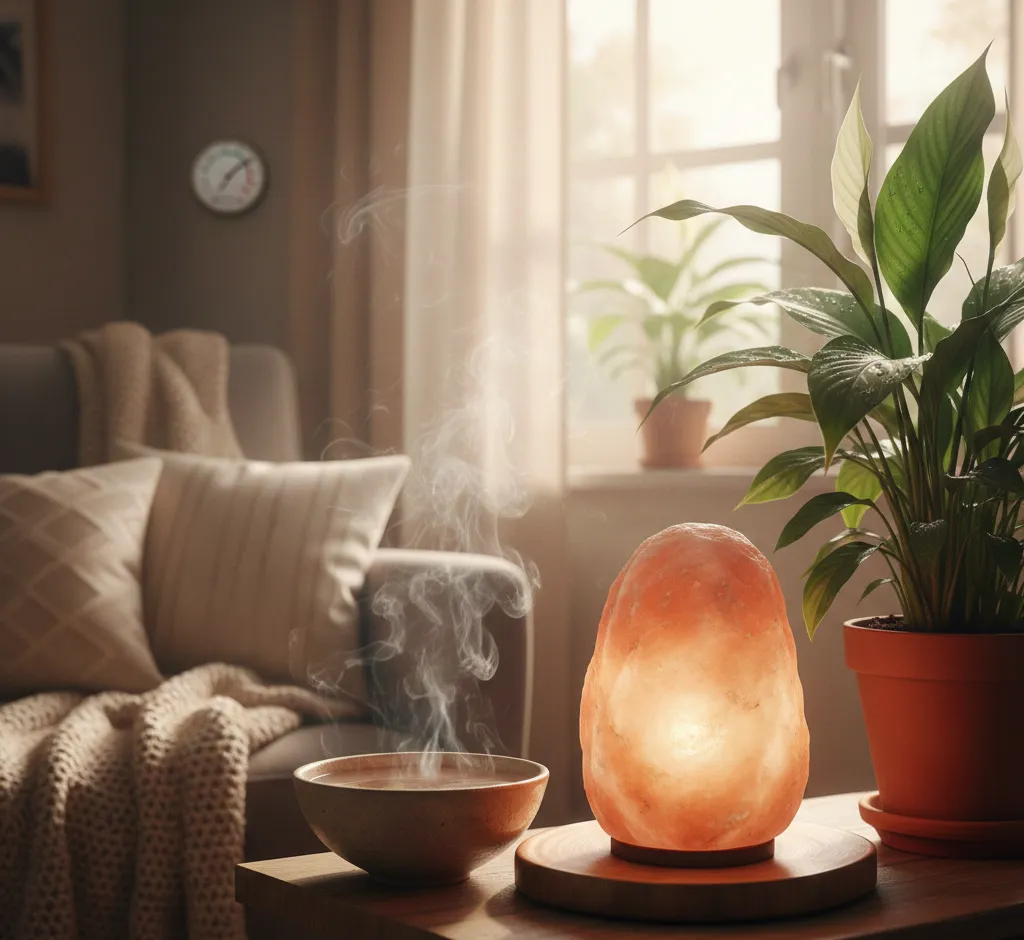
A salt lamp is typically a large chunk of rock salt, often marketed as Himalayan pink salt, with a hollowed-out center that holds a light bulb or LED. When the bulb is turned on, it warms the salt, causing a soft, warm glow that many people find calming and aesthetically pleasing.
Key components of a salt lamp
- Rock salt body: Usually pink or orange in color, made of crystalized salt minerals.
- Internal light source: An incandescent bulb or LED that produces light and, in most cases, heat.
- Base: Often made of wood or plastic, providing stability and protecting surfaces.
- Electrical wiring: Standard lamp cord with an on/off switch, sometimes dimmable.
Manufacturers and enthusiasts often claim that salt lamps improve indoor air quality, generate negative ions, and naturally manage moisture. These claims, however, need to be examined carefully in light of basic physics and current scientific evidence.
Do Salt Lamps Really Add Moisture to the Air?
To understand whether salt lamps can add moisture naturally, it helps to look at two key concepts: hygroscopicity (how a material absorbs water from the air) and humidity (the amount of water vapor present in the air).
Salt is hygroscopic, but that is not the same as humidifying
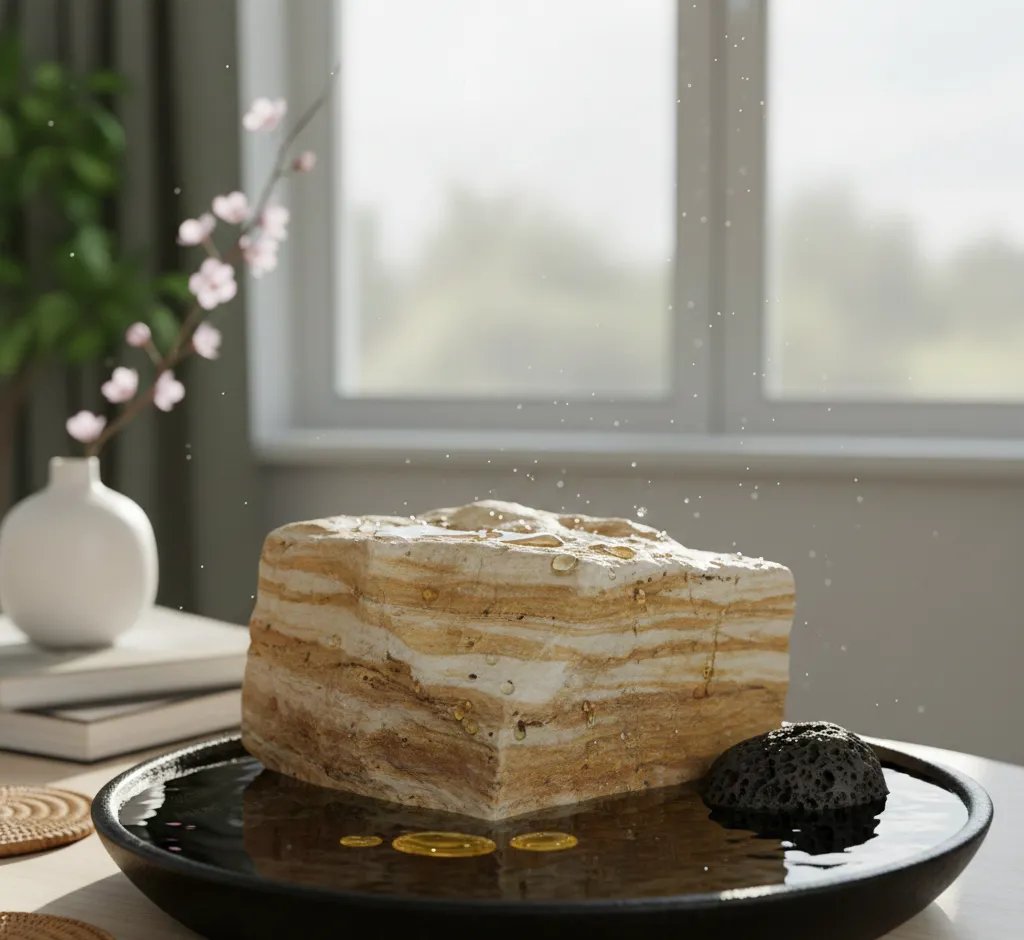
Salt crystals are hygroscopic, meaning they attract and absorb water molecules from the air. If you live in a humid climate, you may have noticed that salt sometimes clumps in the shaker or that a salt lamp can “sweat” or appear damp on very humid days.
However, absorbing moisture is not the same as adding moisture. In fact, it is the opposite:
- When a salt lamp absorbs water from the air, it is taking moisture out of the atmosphere.
- The total amount of water vapor in the room decreases slightly, not increases.
- If the lamp gets warm, some of that water may evaporate again, but this is a very small, localized effect.
From a practical perspective, a single salt lamp is too small and weak to meaningfully increase or regulate humidity in a typical room.
Why salt lamps are not effective humidifiers
Humidifiers are designed to actively add water vapor into the air, often using mechanical or ultrasonic systems. A salt lamp, by contrast, is just a block of salt warmed by a low-wattage bulb. Its effect on humidity is tiny and generally negligible.
Some people believe that when the lamp warms up and the absorbed moisture evaporates, it functions like a natural humidifier. In reality:
- The amount of water the salt can hold is limited by its surface area and the room’s humidity level.
- Most of the absorbed water simply cycles between the salt surface and the surrounding air in a very small zone.
- This microcycle does not significantly change the overall humidity in the room.
So while the phrase “using salt lamps to add moisture naturally” may sound appealing, you should not expect a salt lamp to solve dry air issues or to replace a proper humidifier.
Common Myths About Salt Lamps and Moisture
To use salt lamps wisely, it helps to separate marketing myths from realistic expectations. Below are some of the most common misconceptions about salt lamps and humidity.
Myth 1: Salt lamps are natural humidifiers
This myth likely comes from the hygroscopic nature of salt. While it is true that salt interacts with water vapor, the direction of that interaction is usually absorption, not release. Therefore, salt lamps do not operate as natural humidifiers.
If your main goal is to relieve dry skin, irritated sinuses, or static electricity caused by low humidity, relying on a salt lamp will likely leave you disappointed. Instead, consider them primarily as decorative lights and mood enhancers.
Myth 2: Bigger salt lamps will create noticeable humidity
It may seem logical that a bigger lamp with more surface area would significantly influence humidity. However, even larger salt lamps still have a very limited impact on indoor moisture levels compared to the volume of air in a room.
- A typical living room contains dozens of cubic meters of air.
- A salt lamp only interacts directly with the air immediately surrounding it.
- Any evaporation from the lamp is quickly dispersed and diluted.
As a result, even multiple large salt lamps cannot compete with a basic humidifier or natural methods like open containers of water near heat sources.
Myth 3: Salt lamps regulate moisture automatically
Some promotional materials claim that salt lamps both absorb excess humidity and release moisture when the air is too dry, effectively self-regulating indoor humidity. There is no solid scientific evidence to support this claim. Salt crystals are passive materials; they do not “know” how much moisture your air needs.
What can happen is a simple process:
- When the air is humid, the salt surface absorbs some water.
- If the lamp warms up, that water may slowly evaporate.
- This cycle continues, but only in a very small area and at a very small scale.
This process does not lead to meaningful humidity control across an entire room.
What Salt Lamps Can Offer Instead
Although salt lamps are not effective tools for adding moisture naturally, they do offer other benefits that may still make them worthwhile additions to your home.
Soft, calming ambient light
One of the main advantages of salt lamps is their warm, amber glow. This kind of light is gentle on the eyes, especially in the evening, and many people find it soothing and relaxing.
- Use salt lamps as night lights in bedrooms or hallways.
- Place one on a desk or side table to create a cozy reading nook.
- Turn off harsh overhead lighting and use a salt lamp to promote a calmer atmosphere before bedtime.
While this does not affect humidity, it can positively influence your mood and sense of comfort, which matters just as much in creating a healthy indoor environment.
Decor and natural aesthetic
Salt lamps also serve as unique decor pieces. Their organic shapes and natural colors fit well with minimalist, bohemian, and nature-inspired interior styles. If you are building a wellness corner or a meditation area, a salt lamp can contribute to a grounded, earthy vibe.
Perceived air freshness
Some users report that rooms feel “fresher” with a salt lamp, even if there is no significant measurable change in humidity or air particles. This effect may be partly psychological, but that does not mean it lacks value. Creating a space that feels clean and calm can encourage you to spend more time relaxing, stretching, or meditating.
When combined with proper ventilation, regular cleaning, and possibly an air purifier, a salt lamp can be part of a broader strategy to support your indoor air quality and comfort.
Natural Ways to Add Moisture to the Air
If you are interested in using salt lamps to add moisture naturally, you are likely dealing with dry indoor air. Even though the lamp itself cannot fix that, there are several effective methods to increase humidity without relying solely on electric humidifiers.
1. Use bowls or containers of water
One of the simplest natural ways to add moisture is to place shallow bowls of water around your home.
- Near heat sources: Put a ceramic or metal bowl of water near radiators, heating vents, or sunny windows. As the water warms, it evaporates into the air.
- In dry rooms: Bedrooms and living rooms tend to benefit from this method during heating season.
- Safety first: Keep bowls away from edges and electrical outlets, and out of reach of small children or pets.
To combine this strategy with your salt lamp, you can place a bowl of water on the same table (but not touching the lamp or electrical cord) so both contribute to a cozy, comfortable corner.
2. Indoor plants as natural humidifiers
Houseplants release moisture into the air through a process called transpiration. Grouping several plants together can create a small humidity “bubble” around them.
- Consider plants like peace lilies, spider plants, and ferns, which tend to enjoy and contribute to higher humidity.
- Place a salt lamp nearby to enhance the look of your plant corner, even though the lamp itself will not add moisture.
- Make sure plants receive appropriate light and watering to stay healthy.
This combination of greenery and warm light can create a very inviting and calming environment, especially in living or working spaces.
3. Air-dry laundry indoors
Hanging damp clothes or towels to dry indoors can add a noticeable amount of moisture to the air, especially in dry climates or during winter.
- Use a drying rack in a room that feels particularly dry.
- Ensure adequate ventilation to prevent excess moisture or mildew buildup.
- Position a salt lamp in the same room for ambiance, while the drying clothes provide actual humidity.
4. Take advantage of showers and cooking
Daily activities such as showering and cooking release steam into the air. You can use this to your advantage by managing where that moisture goes.
- After a warm shower, leave the bathroom door open (if safe and practical) to let steam travel to nearby rooms.
- When simmering soup or boiling water, leave the lid off occasionally to allow steam to escape into the kitchen.
- Use exhaust fans moderately so you do not remove all the beneficial moisture.
Again, your salt lamp can complement these activities by enhancing the atmosphere rather than directly affecting humidity.
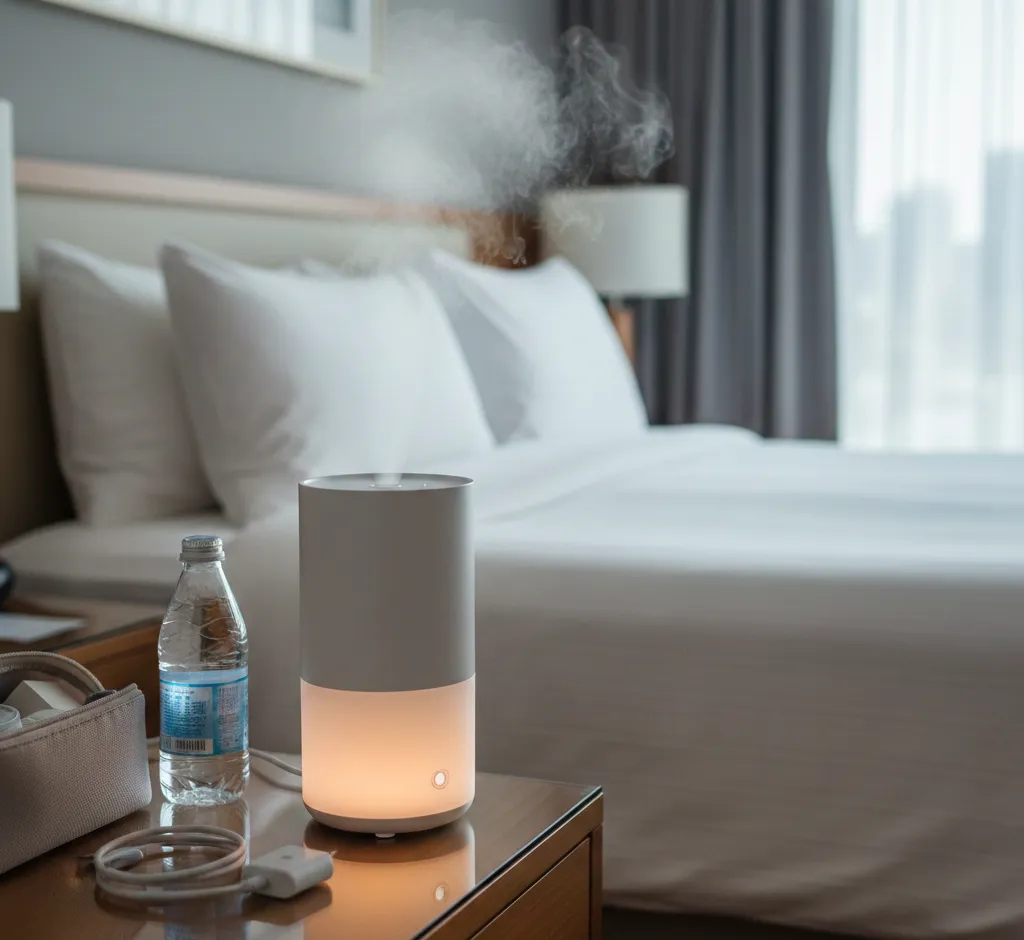
5. Consider a dedicated humidifier
If dry air is a consistent problem, a dedicated humidifier is often the most reliable solution. You can still use a salt lamp nearby for visual appeal and mood lighting, but do not expect it to perform the role of a humidifier.
When choosing a humidifier, pay attention to:
- Room size and capacity of the device.
- Maintenance requirements, such as cleaning filters and tanks.
- Noise levels if you plan to use it at night.
How to Use Salt Lamps Safely Around Moisture
Because salt is hygroscopic, it can absorb considerable water in humid environments. While this small interaction with moisture will not meaningfully humidify a room, it does affect how you should use and care for your salt lamp.
Prevent “sweating” and damage
In very humid climates or during rainy seasons, you may notice water droplets or a damp surface on your salt lamp. This is normal, but there are a few precautions you should take:
- Use a protective mat: Place the lamp on a non-porous tray or coaster to prevent moisture from damaging furniture.
- Avoid bathrooms and kitchens: These rooms often have high humidity, increasing the risk of the lamp sweating or dissolving over time.
- Keep the lamp on regularly: A warm lamp tends to stay drier, as some absorbed moisture will evaporate.
Electrical safety considerations
Because salt lamps plug into electrical outlets, mixing moisture and electricity requires care.
- Inspect cords and plugs regularly for signs of wear or damage.
- Keep cords and plugs dry at all times, especially if the lamp has been sweating.
- Unplug the lamp before cleaning or moving it to a new location.
If you ever notice excessive moisture or corrosion around the metal parts of the lamp’s fixture, discontinue use until it has been checked or replaced.
Combining Salt Lamps With Other Natural Comfort Strategies
For many people, the goal is not only to add moisture to the air but to create a home environment that feels healthier, calmer, and more nurturing. Salt lamps can support that goal when used alongside other natural strategies.
Create a cozy, balanced room environment
Consider integrating your salt lamp into a broader room design that supports both physical comfort and emotional well-being.
- Use a humidifier or water bowls to manage dryness.
- Add plants to help with natural moisture and air freshness.
- Include soft textiles such as throws, cushions, and rugs for warmth and noise reduction.
- Rely on warm-toned lighting, including your salt lamp, to avoid harsh overhead lights, especially in the evening.
In this context, the salt lamp plays a supporting role: it does not change humidity significantly, but it contributes to how the room feels.
Mindful routines and relaxation
Salt lamps can also become part of evening or self-care routines that indirectly support your comfort in dry environments. For example:
- Turn on your salt lamp 1–2 hours before bed while you read or journal.
- Pair the soft light with a cup of herbal tea, which can ease dryness in the throat.
- Practice gentle stretching or breathing exercises in a room where humidity is maintained with bowls of water or a humidifier.
These practices do not rely on the lamp for moisture, but they show how the lamp can fit into a holistic approach to comfort and well-being.
How to Choose a Quality Salt Lamp
If you decide to use salt lamps primarily for their visual, decorative, and emotional benefits, you will want to choose a safe, high-quality product. While claims about moisture and air purification are often exaggerated, basic craftsmanship and safety still matter.
Signs of a reliable salt lamp
- Sturdy base: A quality wooden or stable base helps prevent tipping and protects surfaces from moisture.
- Secure wiring: Look for compliant electrical components and avoid lamps with loose or unmarked wiring.
- Moderate weight: Genuine salt lamps tend to feel heavy for their size.
- Soft, warm glow: The light should not be harsh or glaring; a dimmable switch is a plus.
Whether or not the lamp has a claimed origin in a specific Himalayan region is less important than its overall safety and build quality.
Where to place your salt lamp
Strategic placement can help you get the most enjoyment from your lamp:
- Bedroom: As a gentle night light to support relaxation before sleep.
- Living room: On a side table or shelf to create a warm focal point.
- Home office: Near your desk to soften the contrast from screens and overhead lighting.
In all cases, position the lamp away from direct water sources and very humid areas to minimize sweating and prolong its life.
Key Takeaways: Salt Lamps and Moisture
Using salt lamps to add moisture naturally is a popular idea, but it does not hold up under closer examination. Salt lamps:
- Are hygroscopic, meaning they absorb moisture instead of actively releasing it.
- Have minimal, localized impact on humidity levels in a room.
- Are not effective replacements for humidifiers or other moisture-adding methods.
- Do offer soft light, decorative appeal, and a calming atmosphere that can support overall comfort.
If your main goal is to increase humidity naturally, focus on proven methods such as bowls of water, indoor plants, air-drying laundry, leveraging steam from showers and cooking, or using a dedicated humidifier. Treat salt lamps as beautiful, soothing accessories rather than as primary tools for managing indoor air moisture.
When you understand what salt lamps can and cannot do, you can enjoy them more fully—using them to enhance the atmosphere in your home while relying on more effective strategies to keep the air comfortably moist.