Vertical Steaming Capability in Modern Home Steam Irons: Complete Guide for Everyday Users
Learn how vertical steaming capability in modern home steam irons works, when to use it, key features to look for, and practical tips for safe, effective garment care.
Vertical steaming has transformed the way people care for clothes at home. Instead of relying only on a traditional ironing board, modern steam irons and steam stations now offer the ability to smooth wrinkles while garments hang freely on a hanger. This feature not only saves time and space but also protects delicate fabrics and makes everyday garment care more convenient.
In this guide, you will learn what vertical steaming is, how it works in modern home steam irons, when to use it, and how to choose an iron with a strong and reliable vertical steam function. The article also covers safety tips, maintenance advice, and practical techniques you can apply immediately.
What Is Vertical Steaming?
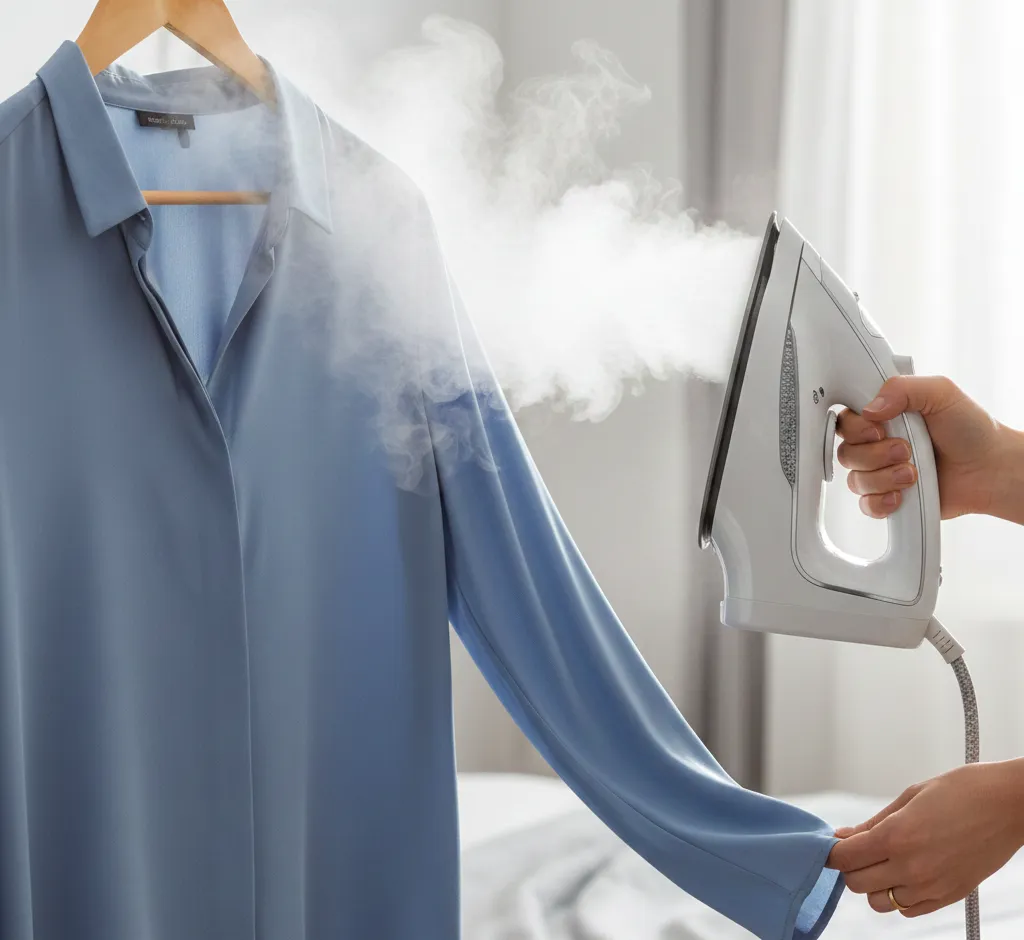
Vertical steaming is a function that allows a steam iron or steam generator to release continuous steam while held upright, so you can de-wrinkle clothes, curtains, upholstery, and other textiles without placing them on an ironing board. Instead, the fabric usually hangs freely on a hanger, door, rail, or curtain pole.
Unlike traditional horizontal ironing, where the iron presses against the fabric on a board, vertical steaming relies almost entirely on steam penetration and gravity. This combination helps relax fibers and reduce wrinkles with minimal physical pressure.
How Vertical Steaming Works
Although the iron is held vertically, the core technology is similar to standard steam ironing:
- Heating element: The soleplate or boiler heats the water to produce steam at a consistent temperature.
- Water tank and pump: Water from the tank is delivered to the heating chamber, often aided by a pump to maintain a steady flow.
- Steam channels and vents: Steam travels through internal channels and exits through holes in the soleplate or through a dedicated steam nozzle.
- Continuous steam & steam boost: A continuous steam output is used for regular vertical de-wrinkling, while a steam boost (burst of steam) targets stubborn creases.
The key technical challenge is ensuring that the iron can produce adequate steam pressure and volume even when held upright, without leaking water or spitting. That is why not all irons with steam functions perform equally well when used vertically.
Benefits of Vertical Steaming at Home
Modern lifestyles demand quick, gentle, and flexible garment care. Vertical steaming answers these needs in several powerful ways.
1. Time-Saving Convenience
Vertical steaming can dramatically cut prep time for everyday outfits:
- No need to set up and fold away an ironing board.
- Ideal for last-minute touch-ups before work, events, or video calls.
- Perfect for freshening clothes that were stored in a closet and developed light creasing.
For many users, vertical steaming becomes the default solution for daily refreshes, while traditional ironing is reserved for heavy cottons or more formal, structured garments.
2. Gentle Care for Delicate Fabrics
Fabrics such as silk, chiffon, wool blends, cashmere, and some synthetics can be sensitive to high heat and direct pressure. Vertical steaming treats them much more gently:
- Steam relaxes fibers without flattening fabric texture.
- Reduced risk of shine marks, scorching, or pressing lines.
- Less contact with the soleplate minimizes snagging on embellishments or embroidery.
When used correctly, vertical steaming can extend the life of delicate garments compared with frequent traditional ironing.
3. Ideal for Complex or Structured Clothing
Some garments are difficult to position on a flat ironing board, such as:
- Jackets and blazers with structured shoulders.
- Dresses and skirts with pleats, layers, or ruffles.
- Shirts with decorative elements like beads, sequins, or lace.
Vertical steaming allows these items to remain on a hanger. Steam naturally flows around contours and into folds, helping reduce wrinkles while preserving the garment’s shape and structure.
4. Freshening and Odor Reduction
In addition to removing creases, hot steam can help:
- Neutralize light odors from storage, smoke, or cooking.
- Refresh garments between full washes, reducing fabric wear.
- Loosen dust and light particles from hanging textiles.
While vertical steaming is not a replacement for proper washing, it is an effective complement for day-to-day freshness and hygiene.
5. Versatility Beyond Clothes
Vertical steam irons can also be used on household textiles that are difficult to remove or place on an ironing board:
- Curtains and drapes: Smooth wrinkles directly on the pole.
- Upholstery: Gently refresh sofa cushions, armchairs, and fabric headboards.
- Bed linens: Tidy duvet covers or bed skirts without fully re-making the bed.
This versatility makes a powerful vertical steaming function especially valuable in small homes or apartments where space is limited.
Key Features That Enable Strong Vertical Steaming
Not all modern home steam irons deliver the same vertical performance. When evaluating models, several technical specifications and design details are particularly important.
Steam Output (g/min)
Vertical steaming relies heavily on a consistent and generous steam flow. Manufacturers usually specify this in grams per minute:
- Continuous steam: For effective vertical use, look for at least 30–40 g/min.
- Steam boost: Bursts of 150–250 g/min or higher help tackle stubborn creases on thicker fabrics.
More demanding users or those who frequently steam curtains, jackets, or multiple garments consecutively may prefer steam generator irons capable of even higher outputs.
Steam Pressure and Pump Technology
In steam generator systems, steam pressure (often stated in bars) strongly influences vertical performance. Higher pressure pushes steam more deeply into fibers and does so more quickly. Additionally, electronically controlled pumps can help ensure steady steam flow even when the iron is held upright for extended periods.
Anti-Drip and Leak Protection
Water drips and spitting are common complaints when using a standard iron in vertical mode. To avoid this, modern home steam irons should include:
- Anti-drip systems that prevent water from exiting the soleplate before reaching proper steam temperature.
- Sealed internal channels designed to maintain steam integrity in any orientation.
- Automatic temperature control that matches steam delivery with soleplate heat.
These design elements work together to keep garments clean, dry, and free from water stains during vertical steaming.
Water Tank Capacity
Vertical steaming uses a significant amount of water, especially when refreshing multiple garments or large curtains. Consider:
- Standard irons: 200–350 ml tanks are common and suitable for short steaming sessions.
- Steam generator irons: External tanks of 1–2 liters or more are ideal for intensive or prolonged vertical use.
A larger tank means fewer interruptions to refill, which is especially important if you routinely steam an entire wardrobe section in one session.
Power Rating (Wattage)
The power rating, measured in watts, influences how quickly the iron heats up and how consistently it can produce steam. For reliable vertical steaming, many users prefer models of at least 2400 W, though specific performance can vary by design and brand. Higher wattage often leads to faster recovery times between steam bursts.
Ergonomic Design for Vertical Use
Comfort and control matter during vertical steaming, especially when working on longer garments or curtains. Key aspects include:
- Comfortable handle shape and weight balance to reduce hand and wrist fatigue.
- Convenient steam triggers that are easy to hold or lock during continuous steaming.
- Long power cord (and steam hose for generators) to reach hanging garments comfortably.
Some irons also feature pointed or elongated tips that help target collars, seams, and tight areas even in vertical mode.
When to Use Vertical Steaming vs. Traditional Ironing
Both vertical steaming and conventional ironing have strengths. Understanding when each method works best helps you choose the right approach for every garment.
Best Uses for Vertical Steaming
- Light to moderate wrinkles on shirts, blouses, dresses, and trousers.
- Delicate fabrics that may be damaged by heavy pressure.
- Structured or complex garments like blazers, layered dresses, and pleated skirts.
- Hanging textiles like curtains, drapes, and some upholstery.
- Quick refreshes for clothes worn briefly or stored in a closet.
Best Uses for Horizontal Ironing
- Very wrinkled, thick fabrics such as linen, heavy cotton, or denim.
- Sharp creases and precise shaping on trouser legs, shirt sleeves, or pleats.
- Professional-level finishing for formalwear or uniforms where flatness and structure matter.
In many homes, the most efficient approach is a combination: use vertical steaming daily for fast touch-ups, and reserve traditional ironing for more demanding garments or special occasions.
How to Use Vertical Steaming Effectively
Even the best iron needs correct technique to deliver great results. Following a few simple steps can dramatically improve your vertical steaming experience.
Step-by-Step Vertical Steaming Technique
- Prepare the garment: Hang the item on a sturdy hanger. Ensure it can move freely and is not pressed against a wall or door.
- Fill the tank: Use clean water as recommended by the manufacturer, often distilled or low-mineral water to reduce limescale.
- Select the right setting: Choose an appropriate steam and temperature setting for the fabric type. Many modern irons adjust automatically.
- Allow full heat-up: Wait until the iron signals it is ready. This prevents water drips and ensures strong steam output.
- Hold the fabric taut: Gently pull the hem or an edge of the garment to keep the fabric slightly stretched.
- Steam from top to bottom: Move the iron or nozzle vertically, letting steam penetrate the fibers. Avoid pressing too hard on the fabric.
- Use steam boosts on tough areas: Apply short bursts to stubborn creases or thicker sections like cuffs and collars.
- Let the garment cool: After steaming, leave the item hanging for a few minutes to dry completely and set the smooth finish.
Practical Tips for Better Results
- Work slowly rather than rushing; steam needs time to penetrate layers of fabric.
- For very wrinkled items, steam from the inside of the garment to reach inner fibers more effectively.
- Combine light hand smoothing with steaming to help flatten wrinkles gently.
- Do a small, hidden test area on delicate or unfamiliar fabrics to ensure they respond well to steam.
Safety Considerations for Vertical Steaming
Steam is extremely hot, and vertical use creates additional safety considerations compared to horizontal ironing. Always follow these fundamental precautions.
Avoid Burns and Steam Exposure
- Keep hands, face, and skin away from the soleplate and steam path.
- Do not steam garments while wearing them, unless the manufacturer specifically states it is safe and the garment is thick.
- Use caution when steaming from the underside of a garment, as steam will naturally rise toward your hands and face.
Stable Handling and Environment
- Ensure power cables and hoses are not stretched or tangled, which could cause the iron or boiler to fall.
- Only rest the iron on stable, heat-resistant surfaces when not in active use.
- Keep children and pets away from the steaming area.
Follow Manufacturer Instructions
Different models are designed with varying tolerances for vertical use. Always read the user manual to understand:
- Recommended water type and descaling schedules.
- Maximum continuous steaming time before the iron should rest.
- Any fabric types that should not be steamed vertically.
Respecting these guidelines protects both you and the appliance.
Maintenance for Long-Lasting Vertical Steaming Performance
Regular maintenance helps your steam iron or steam generator sustain strong vertical steaming capability over years of use.
Descaling and Limescale Prevention
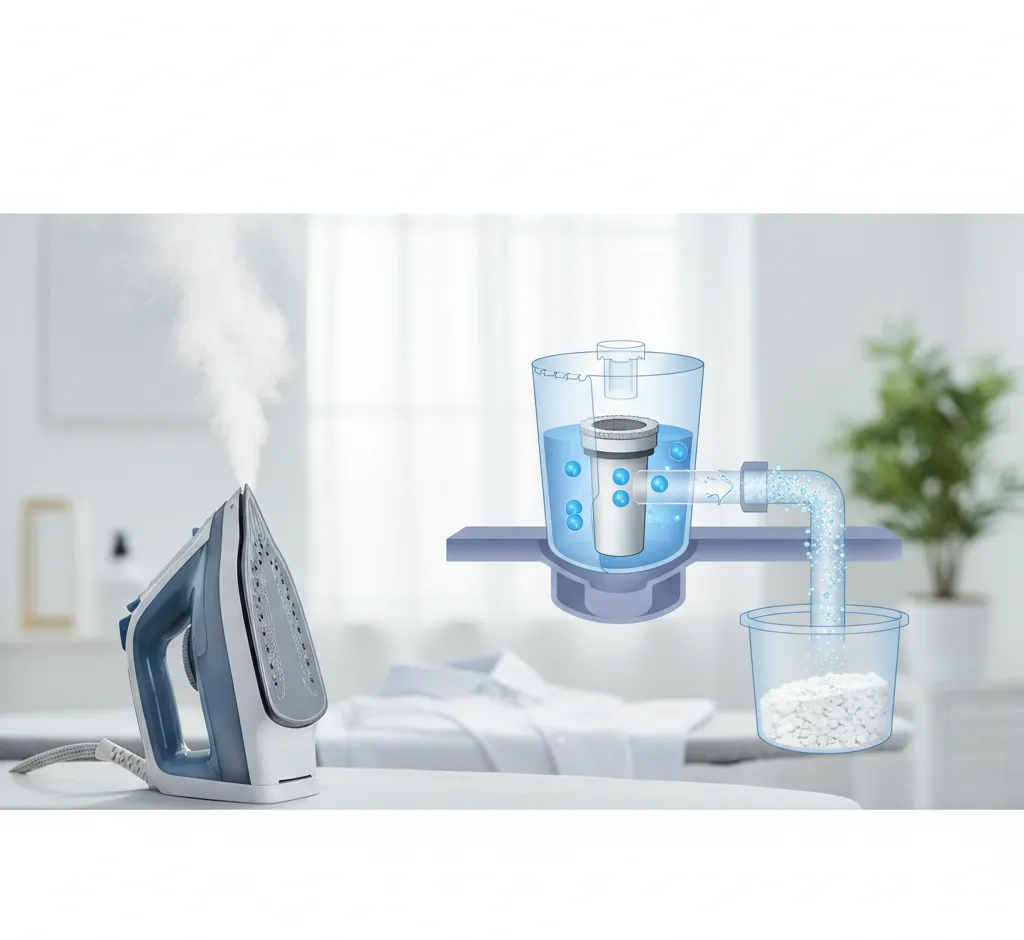
Mineral deposits from hard water can clog steam vents, reduce flow, and cause spitting, which is particularly noticeable in vertical mode. To prevent this:
- Use distilled or demineralized water if recommended by the manufacturer.
- Activate built-in self-clean or anti-scale functions on the schedule specified in the manual.
- Empty the water tank after use if you do not steam frequently, reducing standing water and residue.
Cleaning the Soleplate and Steam Vents
A clean soleplate prevents stains, drag, and uneven steam distribution:
- Wipe the soleplate with a soft cloth when cool, using manufacturer-approved cleaners if needed.
- Inspect steam vents periodically and gently remove visible deposits with suitable tools (never use sharp metal objects).
- Avoid ironing over zippers, pins, or rough embellishments that may scratch the soleplate.
Proper Storage
After steaming:
- Turn the iron off and unplug it before storing.
- Allow it to cool completely in a stable, upright position.
- Empty the water tank if storing the appliance for more than a few days.
Good storage habits preserve seals, electrical components, and overall performance, especially for appliances used regularly in vertical mode.
How to Choose a Steam Iron for Strong Vertical Steaming
When you want to prioritize vertical steaming capability in a new purchase, focus on a balanced combination of power, design, and usability.
Key Buying Criteria
- Steam performance: Look for high continuous steam and a powerful steam boost suitable for your typical fabrics.
- Vertical-specific claims: Check if the manufacturer clearly advertises and supports vertical steaming as a core feature.
- User reviews: Read real-world feedback focusing on drip issues, convenience, and effectiveness on hanging garments.
- Water and scale management: Prefer models with robust anti-scale systems and easy descaling procedures.
- Comfort and ergonomics: Test weight, handle shape, cable length, and control placement whenever possible.
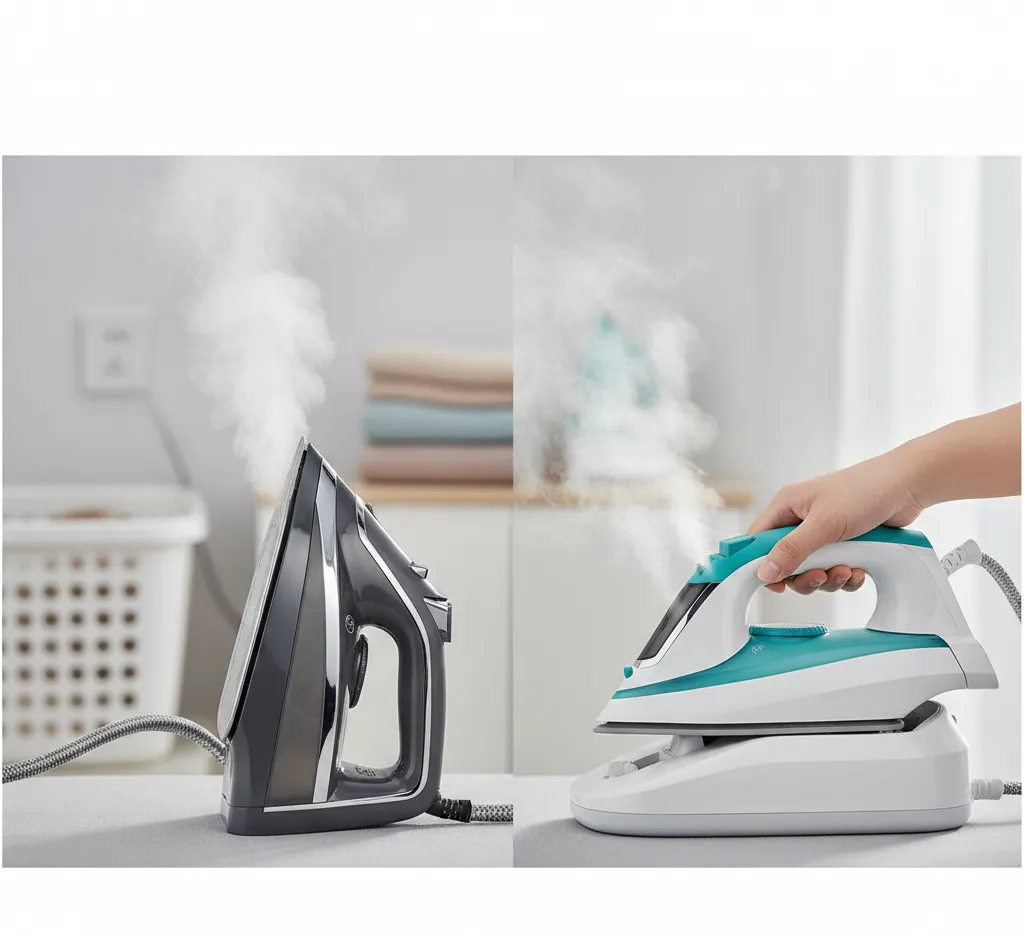
Comparing Traditional Irons and Steam Generators
Two main categories of home appliances support vertical steaming:
- Traditional steam irons: Compact, affordable, and versatile for both horizontal ironing and occasional vertical steaming.
- Steam generator irons: Larger, with separate boilers that deliver higher and more consistent steam output ideal for extensive vertical use.
If vertical steaming will be your primary method for garment care, a high-quality steam generator system often provides the best experience. However, advanced traditional irons can still deliver excellent performance for most households, especially where space or budget is limited.
The Future of Vertical Steaming in Home Garment Care
As homes get smaller and schedules more demanding, the role of vertical steaming in daily life continues to grow. Manufacturers are refining:
- Smarter sensors that automatically set steam output for different fabrics.
- More compact, lightweight designs tailored to frequent vertical use.
- Improved anti-drip and anti-scale technologies for cleaner, more reliable steam.
For many households, the steam iron has evolved into a multifunctional garment-care tool in which vertical steaming capability is not just a bonus feature but a central benefit. By understanding how it works and how to use it effectively, you can enjoy smoother clothes, fresher textiles, and a more efficient routine every day.