Water Intake and Exercise Performance Boost: A Complete Hydration Guide
Discover how smart water intake can boost exercise performance. Learn evidence-based hydration strategies before, during, and after workouts, plus practical tips to personalize your fluid plan.
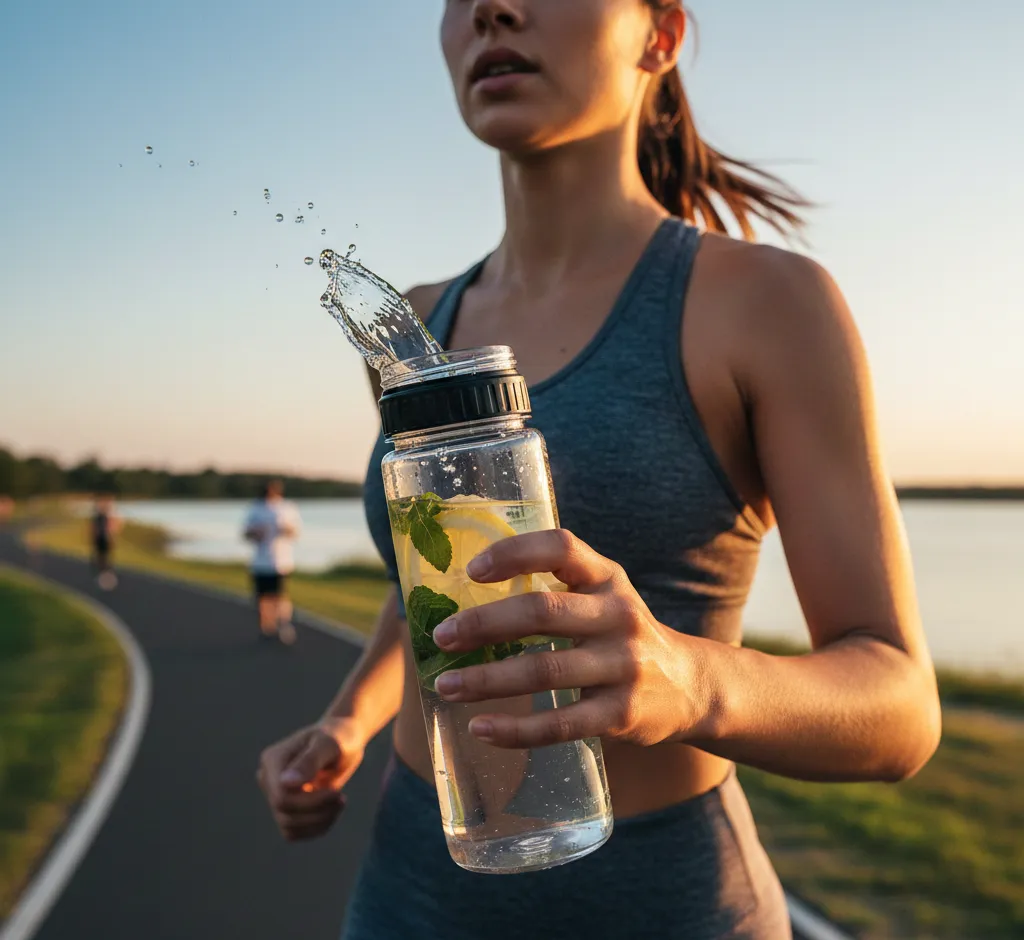
Water is one of the most powerful, yet most underrated, performance enhancers. While training plans, supplements, and equipment often get the spotlight, proper hydration quietly determines how hard you can push, how long you can sustain effort, and how quickly you recover. Understanding how water intake influences exercise performance can help you train smarter, avoid fatigue, and stay healthy.
Why Hydration Matters for Exercise Performance
During exercise, your body produces heat, your heart rate rises, and you start to sweat. Sweat is your main cooling mechanism, but it also means you lose fluid and electrolytes. When these losses are not replaced, performance drops. Even mild dehydration of around 1–2% of body weight can negatively affect endurance, focus, and perceived effort.
Water plays critical roles in:
- Maintaining blood volume so your heart can pump oxygen efficiently to working muscles.
- Regulating body temperature through sweat and skin blood flow.
- Supporting nutrient transport to muscles and removing metabolic waste.
- Joint lubrication and muscle function to reduce the risk of cramps and injury.
- Cognitive performance, including reaction time, decision-making, and focus during training or competition.
How Dehydration Impacts Your Workout
Dehydration does not just make you feel thirsty. It affects nearly every system involved in exercise. As you lose fluid, blood becomes more concentrated and blood volume drops. Your heart has to work harder, your core temperature rises faster, and your muscles receive less oxygen. The result: fatigue arrives sooner and your performance peaks lower.
Common Signs of Dehydration During Exercise
Recognizing the early signs of dehydration helps you correct it before performance declines significantly. Watch for:
- Dry mouth or sticky saliva.
- Unusual or excessive thirst.
- Headache or lightheadedness.
- Feeling unusually tired or heavy.
- Decreased sweating despite ongoing effort.
- Darker, strong-smelling urine during breaks.
- Muscle cramps, especially in hot conditions.
If dehydration becomes severe, symptoms may include confusion, rapid heartbeat, nausea, and an inability to continue exercise. At that stage, performance is no longer the priority—safety is.
Performance Consequences of Dehydration
Even a small fluid deficit can have measurable effects. Research shows that losing around 2% of body mass through sweat can lead to:
- Reduced endurance and time to exhaustion.
- Higher perceived exertion: the same pace feels harder.
- Slower sprint times and reduced power output.
- Decreased accuracy and coordination in skills-based sports.
- Impaired decision-making and reaction time, important in team sports.
In hot and humid conditions, the impact is even greater because your body struggles more to dissipate heat. Proper hydration becomes not only a performance tool but also a key factor in heat illness prevention.
Optimal Daily Water Intake for Active People
General guidelines often suggest around 2–3 liters of fluid per day for healthy adults, but athletes and active individuals typically need more. The ideal amount depends on body size, training volume, environment, and sweat rate. Instead of aiming for one fixed number, combine baseline targets with self-monitoring.
Practical Daily Hydration Targets
- Baseline range: Around 30–40 ml of fluid per kilogram of body weight per day from all beverages and water-rich foods.
- More active days: Add extra 500–1,000 ml or more depending on training duration and intensity.
- Hot climates: Increase intake further to compensate for higher sweat losses.
For example, a 70 kg person might aim for roughly 2.1–2.8 liters per day as a baseline, plus additional fluid around workouts. This total includes water, herbal teas, milk, and other low-sugar beverages, as well as some contribution from fruits and vegetables.
Simple Hydration Self-Checks
Two quick checks can help fine-tune your daily water intake:
- Urine color: Pale yellow usually indicates good hydration. Dark yellow or amber suggests you need more fluid.
- Frequency: Needing to urinate every 2–4 hours during the day is typical for adequate hydration.
These tools are not perfect, but they offer an easy, low-tech way to monitor hydration status alongside thirst and how you feel.
Hydration Strategy: Before, During, and After Exercise
To truly boost exercise performance, water intake must be timed strategically, not just consumed randomly throughout the day. Think in three phases: pre-exercise, during exercise, and post-exercise.
1. Pre-Exercise Hydration
Going into a workout already dehydrated puts you at an immediate disadvantage. Pre-hydration ensures you start with full fluid reserves.
- 2–3 hours before exercise: Drink about 400–600 ml of water or a low-calorie beverage.
- 20–30 minutes before exercise: Add another 150–250 ml, especially if it is hot or the session will be intense.
If your urine is still dark yellow right before training, consider drinking a bit more and adjusting your daily intake going forward.
2. Hydration During Exercise
During exercise, the goal is to limit fluid losses to a manageable level rather than to replace every drop of sweat in real time. For most people, this means drinking small, regular amounts rather than large volumes occasionally.
- Workouts under 60 minutes: For moderate sessions in a cool environment, sipping water according to thirst is usually enough.
- Workouts 60–90 minutes: Aim for roughly 150–250 ml every 15–20 minutes, adjusting for your sweat rate and comfort.
- Workouts over 90 minutes or in heat: More structured hydration is recommended. You may benefit from a drink that includes electrolytes and a small amount of carbohydrates.
Avoid overdrinking, which can be uncomfortable and—in extreme cases—lead to low blood sodium. Let thirst guide you but support it with a plan based on your experience and conditions.
3. Post-Exercise Rehydration
After training, rehydration helps restore fluid balance, supports recovery, and prepares you for your next session. If you finish significantly dehydrated, replace more than you lost.
- Weigh yourself before and after hard sessions (without clothes or in similar clothing). Each kilogram lost typically equals roughly 1 liter of fluid deficit.
- Recovery target: Aim to drink about 1.2–1.5 liters of fluid for each kilogram of body weight lost over the next few hours.
- Include electrolytes and sodium from food (such as a balanced meal) or drinks to improve fluid retention.
Combining fluids with a post-workout meal that contains some sodium and carbohydrates helps your body hold onto the fluid and restore muscle glycogen.
Electrolytes, Sodium, and Sports Drinks
Water alone is often enough for short, low-to-moderate intensity workouts. However, as training duration, intensity, or environmental stress increases, electrolytes—especially sodium—play a greater role in sustaining performance and maintaining fluid balance.
When Do You Need More Than Water?
Consider a drink with electrolytes and carbohydrates if:
- You exercise longer than 60–90 minutes, especially at moderate to high intensity.
- You train or compete in hot and humid conditions.
- You sweat heavily or notice salt stains on clothing and skin.
- You experience frequent cramps during or after long sessions.
Electrolyte drinks help replace minerals lost in sweat, while modest carbohydrate content can fuel working muscles and delay fatigue during extended efforts.
Choosing the Right Sports Drink
Not all sports drinks are created equal. To support performance without excess sugar or calories, look for:
- Moderate carbohydrate content (around 4–8% solution) for endurance sessions.
- Sodium in the range of 300–700 mg per liter to aid fluid absorption and retention.
- Limited added sugars for light or short workouts, where water may already be sufficient.
For everyday training sessions under an hour, water works well for most people. Save carbohydrate-rich sports drinks for demanding or prolonged exercise when you truly benefit from the extra energy and minerals.
How to Personalize Your Hydration Plan
The best hydration strategy is personalized. Everyone's sweat rate, sweat composition, and tolerance for fluid during exercise are slightly different. A simple at-home assessment can guide your plan.
Step 1: Estimate Your Sweat Rate
- Weigh yourself before a typical workout, wearing minimal clothing.
- Exercise for a set duration (for example, 60 minutes), tracking exactly how much you drink.
- Weigh yourself again after towel-drying and wearing the same clothing.
Use this simplified formula:
Fluid loss (liters) ≈ (Pre-exercise weight − Post-exercise weight in kg) + Fluid consumed (liters).
Divide this by the number of hours you exercised to estimate your hourly sweat rate. This gives a practical range for how much you might aim to drink in similar conditions.
Step 2: Adjust for Conditions and Comfort
Your sweat rate will increase in heat, humidity, and at higher intensities. Use your calculated sweat rate as a reference, then adjust:
- Drink closer to your sweat rate during long, intense, or hot-weather sessions.
- Drink a bit less in cooler temperatures or easier workouts.
- Give priority to comfort—do not force very large fluid volumes if they cause stomach upset.
Over time, fine-tune your plan based on performance, how you feel during workouts, and how quickly you recover.
Hydration for Different Types of Exercise
Hydration needs vary depending on the style of exercise and training goals. Here are some practical guidelines for common workout types.
Endurance Training (Running, Cycling, Rowing)
Endurance sports typically produce substantial sweat loss and place high demands on cardiovascular and thermoregulatory systems.
- Start fully hydrated with a structured pre-exercise fluid intake.
- For sessions over 60 minutes, plan regular sips of water or sports drink every 15–20 minutes.
- For long runs or rides, combine water with an electrolyte-carbohydrate drink or gels plus water.
- Practice your race-day hydration plan during training to avoid stomach issues.
High-Intensity Interval Training (HIIT) and Cross-Training
HIIT sessions are shorter but intense, often performed indoors or in group environments where people may forget to drink.
- Hydrate well before the session, especially if intervals are demanding.
- Take small sips during rest intervals to avoid feeling overly full.
- Focus on post-session rehydration, as intervals can cause significant sweat loss in a short time.
Strength Training and Team Sports
Strength sessions and team sports like football, basketball, or tennis involve bursts of high effort and shorter breaks, with varying sweat levels depending on the environment.
- Bring a bottle and drink between sets or during time-outs.
- Use electrolytes in hot, prolonged matches or tournaments.
- Monitor urine color between sessions to ensure good day-to-day hydration.
Myths and Misconceptions About Hydration
Hydration advice is often surrounded by myths. Clarifying these can help you make better decisions.
Myth 1: You Must Drink Constantly, Even When Not Thirsty
While it is wise not to ignore thirst, forcing large amounts of water when you are not thirsty can be counterproductive and uncomfortable. In extreme cases, excessive water intake without adequate sodium can lead to hyponatremia (low blood sodium), which is dangerous. Listen to thirst, but also use structured guidelines, especially for long or hot sessions.
Myth 2: Only Sports Drinks Are Effective for Hydration
For many workouts under an hour, plain water hydrates perfectly well. Sports drinks become more useful as session length, intensity, and heat exposure increase, or when quick carbohydrate energy is needed. They are tools, not necessities for every workout.
Myth 3: Caffeine Always Dehydrates You
Moderate amounts of caffeine (such as in coffee or tea) do not cancel out their fluid contribution for most active people, especially when consumed regularly. However, very high doses or new users might notice a mild diuretic effect. If using caffeine as a performance aid, include it in your total fluid plan, but do not rely on it as your only hydration source.
Hydration Tips for a Sustainable Routine
Consistent habits make proper hydration easier than relying on last-minute fixes before a workout. Small daily practices create a foundation for peak performance.
- Keep water nearby at your desk, in your bag, and in the car so drinking regularly becomes effortless.
- Start the day with a glass of water to rehydrate after sleep.
- Include water-rich foods such as fruits, vegetables, and soups as part of your meals.
- Flavor your water naturally with slices of citrus, cucumber, or herbs if you struggle to drink enough plain water.
- Use a reusable bottle with markings to track how much you drink across the day.
By turning hydration into a simple routine, you arrive at each training session already prepared, rather than trying to catch up at the last minute.
Putting It All Together
Water intake is a fundamental pillar of exercise performance. Proper hydration keeps your heart working efficiently, helps control body temperature, protects joints and muscles, and supports concentration and decision-making. Even mild dehydration can reduce your ability to push hard, sustain pace, and recover fully.
For best results, combine a solid daily fluid intake with a targeted plan before, during, and after workouts. Personalize your strategy by monitoring urine color, energy levels, and, if possible, sweat rate. Use electrolyte and sports drinks strategically for long, intense, or hot sessions, while relying on water for everyday training.
With a thoughtful hydration approach, you can turn water into a powerful, low-cost performance booster—enhancing endurance, strength, and overall training quality while protecting your health.