Water Intake Tracking with Wearable Technology: How Smart Devices Are Changing Hydration Habits
Discover how wearable technology devices and smart water bottles are transforming hydration habits through real-time water intake tracking, personalized goals, and data-driven insights.
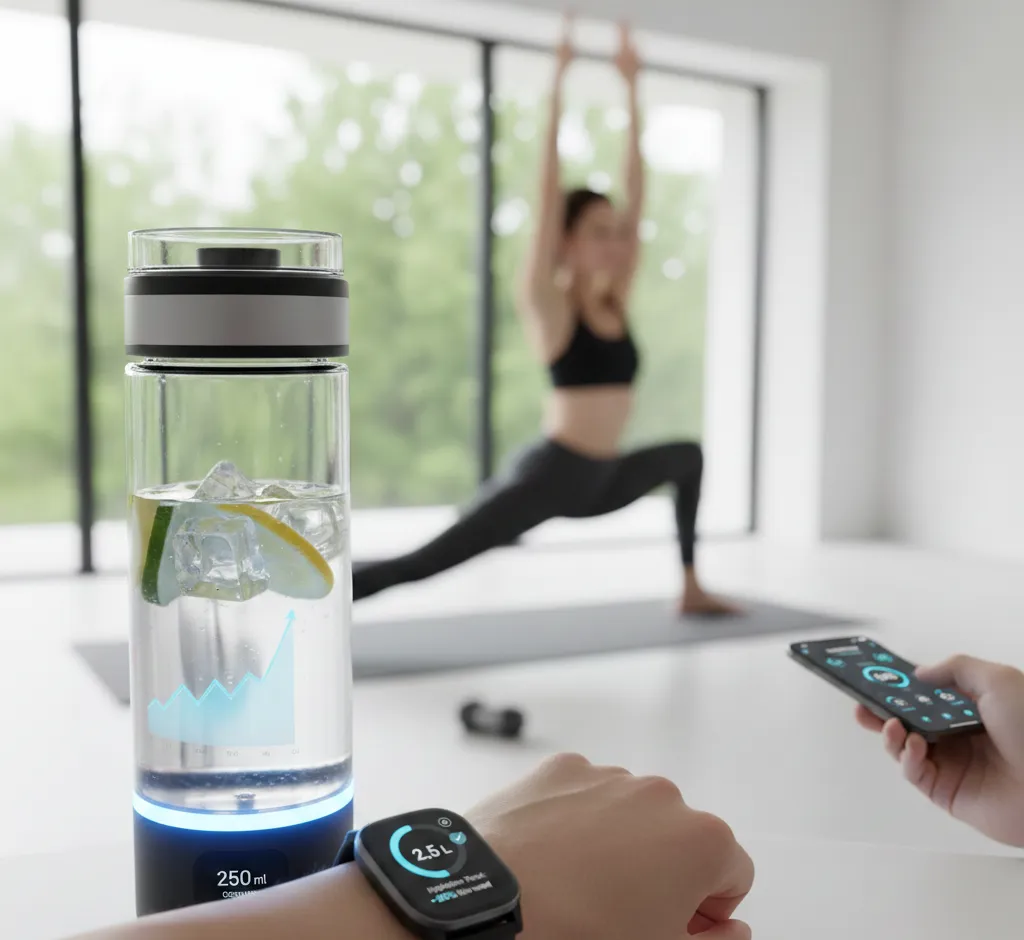
Staying properly hydrated is one of the simplest yet most overlooked foundations of good health. While most people know they should drink more water, actually doing it consistently is another story. This is where wearable technology devices and smart hydration tools come in. By turning water intake into a measurable, trackable habit, they make it easier to understand and improve your daily hydration.
In this article, we will explore how modern wearables help you track water intake, why hydration matters more than you might think, what features to look for in smart hydration tools, and how to integrate these technologies into your daily routine for lasting results.
Why Water Intake Tracking Matters
Water plays a vital role in nearly every process in the human body. Even mild dehydration can affect mood, energy, cognitive performance, and physical endurance. For many people, the problem is not a lack of awareness but a lack of accurate, real-time feedback.
Health benefits of proper hydration
- Improved cognitive function: Adequate hydration supports concentration, memory, and alertness.
- Better physical performance: Water is essential for muscle function, temperature regulation, and endurance.
- Healthy skin and digestion: Hydration helps maintain skin elasticity and supports smooth digestive processes.
- Optimized metabolism: Proper water intake is linked to better metabolic function and may support weight management efforts.
- Balanced mood and energy: Even minor dehydration can lead to irritability, headaches, and fatigue.
Despite these benefits, many people underestimate how much water they drink and how much they actually need. Tracking is the missing link that turns vague intentions into concrete actions.
The limitations of traditional hydration advice
Guidelines such as “eight glasses a day” or “two liters daily” can be oversimplified. Hydration needs vary based on factors like age, weight, climate, activity level, and overall health. Wearable technology helps personalize water intake goals rather than relying on one-size-fits-all rules.
How Wearable Technology Tracks Water Intake
Wearable technology devices have evolved far beyond simple step counters or heart-rate trackers. Many now integrate water-intake tracking directly or work seamlessly with companion apps and smart water bottles.
Common approaches to tracking hydration
- Manual logging in apps: Many smartwatches and fitness trackers allow you to log each glass or bottle of water through a mobile app or on-device interface.
- Smart water bottles: Connected bottles measure the amount of water consumed and sync data to your smartphone or wearable.
- Hydration reminders: Wearables can send vibrations, notifications, or on-screen alerts to remind you to drink regularly throughout the day.
- Algorithm-based estimates: Some advanced devices estimate hydration needs based on metrics like heart rate, temperature, activity data, and even sweat rate.
Each of these methods transforms water intake from a guess into a measurable behavior that can be monitored and improved over time.
Integration with health and fitness ecosystems
One of the biggest advantages of tracking hydration with wearables is integration. Hydration data can be combined with information about sleep, exercise, stress levels, and nutrition, giving you a more complete picture of your health.
- Fitness apps: Hydration stats often appear alongside daily steps, workouts, and calorie burn.
- Health dashboards: Platforms like Apple Health, Google Fit, and manufacturer-specific dashboards aggregate hydration data with other metrics.
- Coaching and insights: Some systems generate personalized tips or adaptive goals based on your patterns over time.
This ecosystem approach makes hydration tracking more meaningful and actionable. You can see how drinking more water affects your energy, performance, and recovery.
Types of Devices for Water Intake Tracking
Not all hydration tools are created equal. Understanding the different categories helps you choose the right solution for your lifestyle and preferences.
Smartwatches and fitness trackers
Many popular wearables include hydration tracking as part of their broader feature set. They may not measure water intake directly, but they offer convenient logging and reminders.
- On-device shortcuts: Quickly add a glass or bottle of water from your wrist without opening your phone.
- Customizable goals: Set daily water-intake targets based on your weight, activity, or recommendations generated by the app.
- Contextual reminders: Receive prompts to drink more after workouts, long periods of inactivity, or hot-weather activities.
This category is ideal if you already wear a smartwatch and want to centralize all health tracking on one device.
Smart water bottles
Smart water bottles integrate sensors that detect how much water you drink. They often connect to mobile apps and sometimes to your smartwatch, creating a fully automatic tracking experience.
- Volume tracking: Bottles measure each sip or tilt to log intake with minimal user effort.
- Visual cues: Many bottles use lights or indicators to show progress toward your daily goal.
- Temperature control: Some devices maintain a desired water temperature, encouraging more frequent hydration.
- Gamification: Apps may use streaks, rewards, or challenges to keep you motivated.
If you prefer a mostly hands-off approach, a smart water bottle can be the most accurate and convenient choice.
Hydration-focused wearables and accessories
A growing category of devices focuses specifically on hydration, sometimes combining wearable sensors with connected drinkware.
- Arm or wrist sensors: Some experimental devices estimate hydration through skin conductivity or sweat composition.
- Sports wearables: Designed for athletes, these can adjust recommended water intake in real time during intense training.
- Specialized patches: Certain patches measure biomarkers in sweat to provide advanced hydration feedback.
While not yet mainstream, these tools highlight the future direction of hydration technology: more personalized and more precise.
Key Features to Look for in Hydration Tracking Devices
Choosing the right device can determine whether you actually stick with water-intake tracking over the long term. Focus on features that match your routine and preferences.
Ease of use and automation
The less friction, the better. If a device requires too many manual steps, you are less likely to use it consistently.
- Automatic logging: Smart bottles and integrated sensors reduce manual input.
- Quick add options: One-tap or voice-based logging for estimated amounts.
- Simple interfaces: Clear displays and intuitive apps help you act on the data rather than fight with the software.
Customizable reminders and alerts
Reminders are one of the most powerful tools for changing hydration behavior, but they must be tailored to your lifestyle.
- Frequency control: Adjust how often you receive notifications so they help rather than annoy.
- Time windows: Limit reminders to specific hours, such as work time or training sessions.
- Context-aware alerts: Prefer devices that adjust reminders based on activity, temperature, or missed goals.
Goal setting and personalization
Personalized goals are more meaningful and achievable than generic ones.
- Dynamic targets: Devices that adapt your daily water goal according to your activity or climate can better reflect real needs.
- Manual customization: You should be able to adjust goals based on personal experience or medical advice.
- Multiple containers: Apps that let you save different glass or bottle sizes make logging more accurate.
Data insights and long-term trends
Tracking is more powerful when it leads to insights. Look for tools that go beyond simple daily totals.
- Trend charts: Visualize weekly, monthly, and seasonal patterns in your hydration.
- Correlations: See how your water intake relates to sleep quality, steps, workouts, or weight.
- Actionable summaries: Brief, plain-language insights help you understand where to improve.
Best Practices for Using Wearable Hydration Tracking
Owning a device is just the first step. The way you use it determines whether you actually achieve better hydration habits.
Start with a realistic baseline
Before drastically increasing your water intake, spend a few days tracking your normal behavior. This provides a baseline and helps you set realistic goals.
- Track all water intake for 3–7 days.
- Note times when you typically forget to drink.
- Use this data to define an initial daily target that is slightly higher than your baseline.
This gradual approach makes the habit more sustainable and reduces the risk of overhydration.
Use reminders strategically
Reminders should support your lifestyle, not disrupt it. Experiment with timing and frequency until you find a balance that works.
- Schedule reminders around meals, breaks, or specific routine events.
- Turn off alerts during meetings, sleep, or focus sessions.
- Pair hydration reminders with an existing habit, like checking your messages or standing up to stretch.
Combine hydration data with other metrics
To fully benefit from wearable tracking, look at hydration in context.
- Compare your daily water intake with your step count or workout intensity.
- Monitor whether improved hydration correlates with fewer headaches or better focus.
- Use insights from your health dashboard to fine-tune your goals over time.
This integrated view transforms hydration from an isolated habit into a key component of your overall wellness strategy.
Common Mistakes and How to Avoid Them
Even with the right technology, several common pitfalls can prevent people from achieving their hydration goals.
Relying solely on notifications
Wearables are powerful tools, but they work best when combined with conscious habit-building. If you only drink water when your device buzzes, you may become dependent on external prompts.
- Practice noticing thirst cues and environmental factors.
- Use technology as support, not a crutch.
- Gradually reduce reminder frequency as the habit becomes automatic.
Ignoring individual differences
Recommended water-intake values are averages, not rules. Your ideal hydration level may differ from a friend’s or from generalized app recommendations.
- Adjust goals based on your body size, activity level, and climate.
- Consult a healthcare professional if you have health conditions that affect fluid balance.
- Listen to your body alongside following device-generated guidance.
Not logging consistently
Inconsistent tracking leads to misleading data. You might think you are not improving simply because your logs are incomplete.
- Use automation whenever possible to reduce the effort of logging.
- Make it a rule to log every drink for at least a few weeks.
- Review your data regularly to stay engaged with the process.
Privacy, Data Security, and Ethical Considerations
As with any health-related technology, water-intake tracking raises questions about data privacy and responsible use.
What data is collected?
Depending on the device and app, your data may include:
- Daily water-intake amounts and timestamps
- Health metrics such as heart rate, activity, sleep, or body weight
- Location data, if enabled, to analyze climate or weather impacts
Always review privacy policies to understand what is collected, how it is stored, and with whom it may be shared.
How to protect your data
- Choose reputable brands with transparent privacy practices.
- Use strong, unique passwords for your accounts.
- Regularly check app permissions and disable any that are not necessary.
- Back up your data only to trusted and secure services.
Being proactive about privacy helps you enjoy the benefits of wearable hydration tracking without compromising sensitive information.
The Future of Hydration Tracking with Wearable Technology
Water-intake tracking is still evolving, and upcoming innovations promise even more personalized and accurate hydration guidance.
More advanced sensors and biometrics
Researchers are developing non-invasive sensors that can continuously monitor hydration levels by analyzing sweat, skin, or other biological signals. Future wearables may be able to:
- Warn you of dehydration before you feel thirsty.
- Adjust hydration targets dynamically during sports or heat exposure.
- Detect imbalances in electrolytes, not just water levels.
Such capabilities could be especially valuable for athletes, older adults, and individuals with specific medical conditions.
Deeper integration with smart environments
As smart homes and workplaces become more common, hydration tracking will likely integrate with other connected devices.
- Smart assistants could remind you to drink based on your calendar and activity.
- Office or gym water stations might sync with your wearable to log refills automatically.
- Climate-aware systems could recommend increased water intake during hot or dry periods.
This level of integration will make hydration support more seamless and context-aware.
Personalized coaching and AI insights
As more hydration data is collected, artificial intelligence can identify subtler patterns and provide more nuanced advice.
- AI coaches may suggest ideal drinking schedules tailored to your lifestyle.
- Systems could detect early signs of chronic underhydration and encourage preventive actions.
- Adaptive goals may update in real time based on your daily behaviors and environment.
These emerging tools will make hydration management more proactive and personalized than ever.
Practical Steps to Get Started
If you want to improve your hydration using wearable technology, you can begin in a few simple steps.
- Assess your current setup: Check whether your existing smartwatch or fitness tracker already supports water-intake logging and reminders.
- Choose your primary tool: Decide whether you prefer manual logging, a smart water bottle, or a dedicated hydration wearable.
- Set an initial goal: Base it on your current intake, then gradually increase as needed.
- Configure reminders: Set helpful, realistic reminders that align with your daily schedule.
- Track consistently for 2–4 weeks: Use this period to build the habit and gather enough data to spot trends.
- Review and adjust: Analyze your progress, adjust goals, and fine-tune notifications for long-term success.
By following these steps, you can turn your wearable device into a powerful ally for better hydration and overall health.
Conclusion
Water intake tracking with wearable technology devices bridges the gap between knowing you should drink more water and actually doing it. By providing real-time data, personalized goals, and timely reminders, these tools make hydration a visible, measurable part of your health routine.
Whether you use a smartwatch, a smart water bottle, or an advanced hydration sensor, the key is consistency and integration. When you combine hydration tracking with other health metrics and thoughtful habit-building, you gain a clearer picture of how water affects your energy, performance, and well-being. As wearable technology continues to evolve, staying hydrated will become easier, smarter, and more personalized than ever before.