Why Cold Water Is Best for Washing Fresh Produce
Learn why cold water is best for washing fruits and vegetables. Discover how cold water protects freshness, preserves nutrients, improves food safety, and how to wash different types of produce correctly.
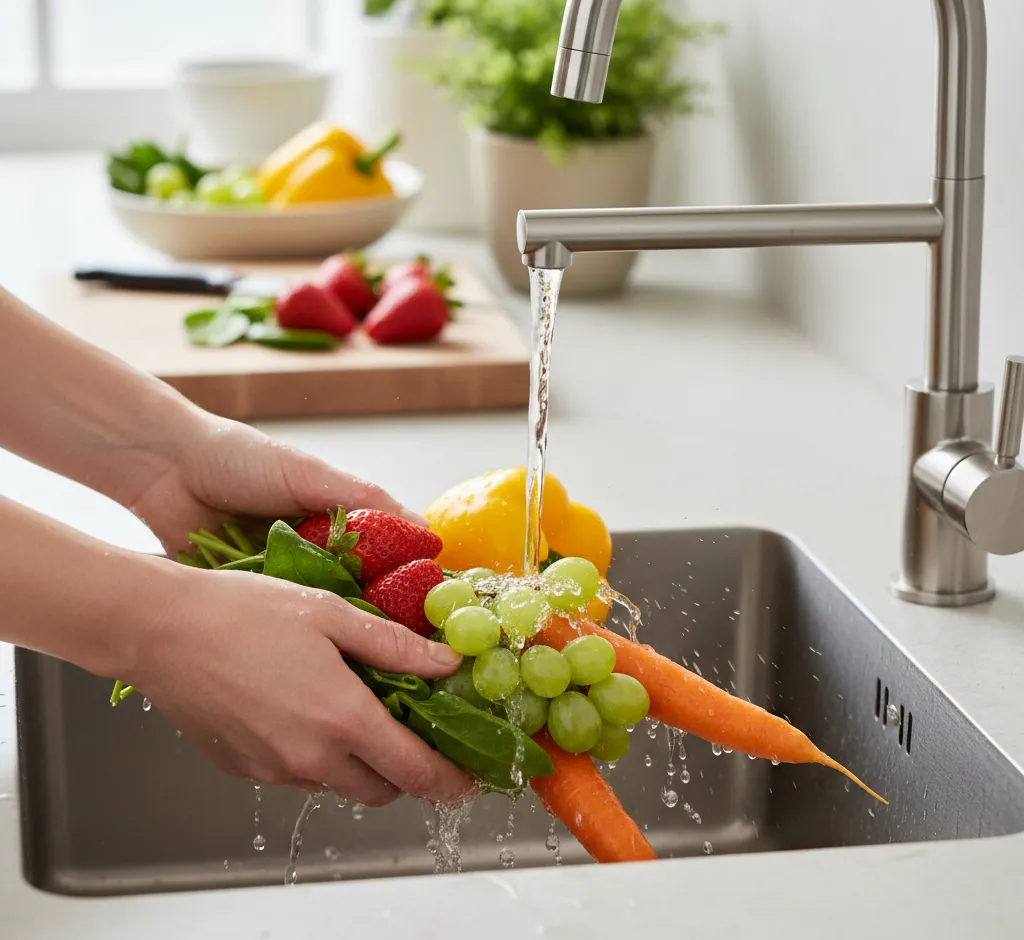
Rinsing fruits and vegetables might seem like a simple step, but the temperature of the water you use can significantly affect food safety, freshness, and even flavor. Many home cooks wonder whether warm water, cold water, or special rinses are best. Food safety experts consistently recommend one clear winner: clean, cold running water.
Understanding why cold water is best for produce helps you protect your health, reduce food waste, and get the most from every trip to the market. In this article, you will learn what cold water does, what it does not do, and how to wash different types of produce correctly using science-backed methods.
Why You Should Always Wash Produce
Whether your fruits and vegetables are organic, homegrown, or store-bought, they can carry unwanted residues and microorganisms. Washing produce is your first line of defense against these invisible contaminants.
Common contaminants on fresh produce
- Dirt and soil that cling to roots, leaves, and skins.
- Bacteria such as Salmonella, E. coli, and Listeria.
- Viruses that may transfer from hands, surfaces, or irrigation water.
- Pesticide residues and other agricultural chemicals.
- Wax coatings on some fruits, which can trap dirt and microorganisms on the surface.
Cold running water helps remove a large portion of these contaminants through simple physical action: rinsing, rubbing, and, when needed, soaking.
Why Cold Water Is Best: The Science
At first glance, warm or hot water might seem more hygienic, especially since we often use warm water for cleaning dishes. However, produce behaves differently from hard surfaces or cookware. Its delicate structure and high water content make cold water the safest and most effective choice for several reasons.
1. Cold water helps preserve freshness and texture
Fruit and vegetable tissues are sensitive to temperature. Using warm or hot water can speed up the breakdown of cell walls, leading to:
- Wilting leaves on delicate greens like lettuce, spinach, and herbs.
- Softening or mushiness in berries, tomatoes, and stone fruits.
- Faster spoilage due to accelerated enzymatic activity and microbial growth.
Cold water, on the other hand, helps maintain the crispness of vegetables and the firmness of fruits. For leafy greens, a cold rinse can even revive slightly wilted leaves by rehydrating them.
2. Cold water minimizes nutrient loss
Vitamins such as vitamin C and some B vitamins are sensitive to heat. While a brief rinse in warm water will not destroy large amounts of nutrients, consistently using hot water can contribute to unnecessary nutrient loss, especially in delicate vegetables.
Rinsing produce with cold water helps preserve:
- Water-soluble vitamins, like vitamin C and folate.
- Heat-sensitive antioxidants, found in many colorful fruits and vegetables.
If you care about getting the maximum nutritional value from your food, cold water is the safest standard approach.
3. Warm water can open pores and draw contaminants inward
Many fruits and vegetables have tiny surface openings, often called pores or stomata. When exposed to warm or hot water, these pores can open or the produce surface can soften, making it easier for microorganisms and residues to migrate from the surface into the interior.
Cold water helps keep these structures more stable, reducing the risk that contaminants are pulled deeper into the food where rinsing can no longer remove them. While this effect can vary by type of produce, the safest general rule is to avoid warm or hot water on raw produce unless you are intentionally blanching as part of a cooking or preserving process.
4. Cold running water effectively removes dirt and microbes
Food safety authorities such as the World Health Organization and national food safety agencies consistently recommend cold running water over special rinses or soaps. The mechanical action of water flowing across the surface, combined with gentle rubbing, is extremely effective at removing:
- Loosely attached dirt and soil.
- A significant portion of bacteria and viruses on the surface.
- Some pesticide residues, especially those that are water-soluble.
Cold water provides this cleaning action without weakening the structure of the produce or accelerating spoilage.
5. Cold water is safer than hot for handling
From a practical standpoint, using cold water reduces the risk of burning your hands or accidentally warming produce to temperatures where bacteria thrive. Many harmful bacteria grow fastest between approximately 5°C and 60°C, often referred to as the "danger zone" for food safety.
Allowing produce to sit in warm water or on a warm counter for too long can push it into this danger zone. Cold water helps keep produce at safer temperatures before you refrigerate or serve it.
Why You Should Avoid Soap, Detergent, and Special Washes
Because people associate soap with cleanliness, they sometimes assume that using dish soap or specialized produce washes will improve food safety. In reality, plain cold water is not only sufficient but preferred.
Soap and detergent are not designed for eating
Dish soaps and household detergents are formulated for cleaning non-porous surfaces, not foods. Even when thoroughly rinsed, they can leave behind residues that you may ingest. This can cause:
- Stomach irritation or discomfort.
- Off flavors that affect how your food tastes.
- Potential exposure to non-food-safe chemicals over time.
Because fruits and vegetables are porous and absorbent, it is difficult to guarantee that all soap residues are removed, especially from delicate items such as berries or leafy greens.
Are commercial produce washes necessary?
Some products are marketed as produce washes or fruit and vegetable cleaners. While many are safe when used as directed, independent studies have repeatedly shown that cold running water alone removes most surface contamination just as effectively as these washes for everyday home use.
Unless you have a specific reason to use a specialized product, your best and simplest approach is to wash produce under cold running water, rubbing and, when appropriate, using a clean brush.
How to Wash Different Types of Produce with Cold Water
Not all fruits and vegetables should be handled the same way. The following guidelines show how to use cold water effectively for various kinds of produce.
Leafy greens (lettuce, spinach, kale, herbs)
- Remove any damaged or bruised outer leaves.
- Separate leaves, especially for heads of lettuce or bunches of greens.
- Place leaves in a large bowl filled with cold water.
- Gently agitate the leaves with your hands to loosen dirt and grit.
- Lift the greens out of the water (rather than pouring the water off) so grit stays at the bottom.
- Repeat with fresh cold water if you still see dirt or sand.
- Dry thoroughly in a salad spinner or by patting with a clean towel.
Cold water not only cleans leafy greens but can also refresh them, making them crisper and more appealing.
Firm vegetables (carrots, potatoes, cucumbers, peppers)
- Rinse under cold running water.
- Use a clean vegetable brush on firm-skinned produce such as carrots, potatoes, and cucumbers.
- Pay extra attention to crevices and stem areas where dirt and microbes can hide.
- Dry with a clean cloth or paper towel to remove any remaining moisture and contaminants.
Even if you plan to peel vegetables like carrots or potatoes, washing them first under cold water prevents transferring dirt and bacteria from the peel to the knife and inner flesh.
Soft fruits (berries, grapes, cherries)
- Place berries or grapes in a colander.
- Rinse gently under cold running water, turning them carefully with your hands to expose all sides.
- Allow water to drain thoroughly.
- Spread the fruit out on a clean kitchen towel or paper towel to dry.
Because berries are delicate and absorb water easily, wash them just before eating rather than in advance. Cold water helps maintain their structure and prevents them from turning mushy.
Fruits with inedible peels (melons, citrus, avocados)
It may seem unnecessary to wash fruits with thick, inedible peels, but it is an important safety step. When you cut into a melon or an avocado, the knife can carry bacteria from the surface into the edible interior.
- Rinse the whole fruit under cold running water.
- Scrub firm surfaces such as melons with a clean vegetable brush.
- Dry with a clean towel before cutting.
This simple step helps reduce the risk of foodborne illness from seemingly "protected" fruits.
Root vegetables (beets, radishes, turnips)
- Remove any leafy tops and set aside or wash separately.
- Rinse roots under cold running water.
- Use a vegetable brush to scrub away soil and debris.
- Dry well before storing to prevent mold and decay.
Cold water both cleans and cools root vegetables, helping them stay fresh longer in storage.
Cold Water and Food Safety: What It Can and Cannot Do
Cold water is highly effective at reducing surface contamination, but it is important to understand its limits so you can make safe decisions in your kitchen.
What cold water does well
- Physically removes dirt and microorganisms from the surface of produce.
- Reduces, but does not completely eliminate, bacteria and viruses.
- Washes away some pesticide residues, especially those that are water-soluble or loosely adhered.
- Helps maintain quality by keeping produce cool and crisp.
What cold water cannot do
- It cannot sterilize produce or kill all pathogens present.
- It cannot reverse spoilage or make unsafe food safe again.
- It cannot remove all pesticide residues, especially those absorbed into the flesh.
If produce looks moldy, has a strong off odor, or has been stored at unsafe temperatures, washing with cold water cannot make it safe to eat. When in doubt, it is best to discard questionable items.
Best Practices for Washing Produce with Cold Water
Using cold water is only part of the equation. Adopting a few simple habits can further improve food safety and quality.
Wash just before eating or cooking
Washing produce and then storing it while still damp can encourage mold growth and faster spoilage. For most items, it is best to:
- Store produce unwashed, in appropriate containers or bags.
- Wash under cold water right before you plan to eat or cook it.
The exception is leafy greens that you plan to prep ahead. In that case, wash, dry thoroughly, and store them dry in the refrigerator.
Keep your sink and tools clean
Cold water is most effective when your washing environment is clean. To avoid cross-contamination:
- Clean your sink regularly with a food-safe cleaner.
- Use designated brushes or cloths for produce and wash them often.
- Wash your hands with soap and water before and after handling produce.
- Keep cutting boards and knives clean, especially when switching between raw meat and fresh produce.
Use running water instead of soaking when possible
Soaking can be useful for very sandy items like leeks or some leafy greens, but for most produce, cold running water is preferable. The movement of water helps lift away contaminants rather than allowing them to settle back on the surface.
Frequently Asked Questions About Cold Water and Produce
Is ice-cold water better than regular cold tap water?
You do not need ice water for everyday washing. Clean, cold tap water is sufficient. Extremely cold water can be useful for refreshing wilted greens, but for most produce, standard cold tap water balances safety, effectiveness, and practicality.
Can I use warm water for produce I plan to cook?
If you are going to cook the produce thoroughly, the risk from using slightly warm water is lower because cooking will kill many microorganisms. However, as a general habit, it is simpler and safer to use cold water for all washing. That way, you never mix up which items are safe to eat raw.
Should I use vinegar or baking soda when washing produce?
Some people use a diluted vinegar solution or a baking soda soak to help remove pesticide residues or bacteria. While these methods can offer a small additional benefit in some cases, they are not strictly necessary for everyday use. Cold running water, combined with rubbing or brushing, remains the core recommendation. If you do use vinegar or baking soda, always rinse thoroughly with cold water afterward.
Key Takeaways: Why Cold Water Wins
When it comes to washing fruits and vegetables, cold water stands out as the best choice because it:
- Preserves texture and freshness by avoiding heat damage.
- Helps maintain nutrient content, especially fragile vitamins.
- Reduces surface contamination through mechanical rinsing.
- Minimizes the risk of drawing contaminants into the interior of produce.
- Supports food safety by keeping foods out of the temperature danger zone.
Combined with good hygiene practices and proper storage, using cold water to wash your produce is a simple, science-backed step that supports both your health and the quality of your meals. The next time you unpack your groceries or bring in a harvest from the garden, head straight for the cold tap—your fruits, vegetables, and taste buds will thank you.