Xylitol Gum for Cavity Prevention: How a Simple Habit Protects Your Smile
Learn how xylitol gum helps prevent cavities, reduces harmful oral bacteria, and supports remineralization. Discover benefits, dosage, safety tips, and how to choose the right xylitol gum for daily cavity protection.
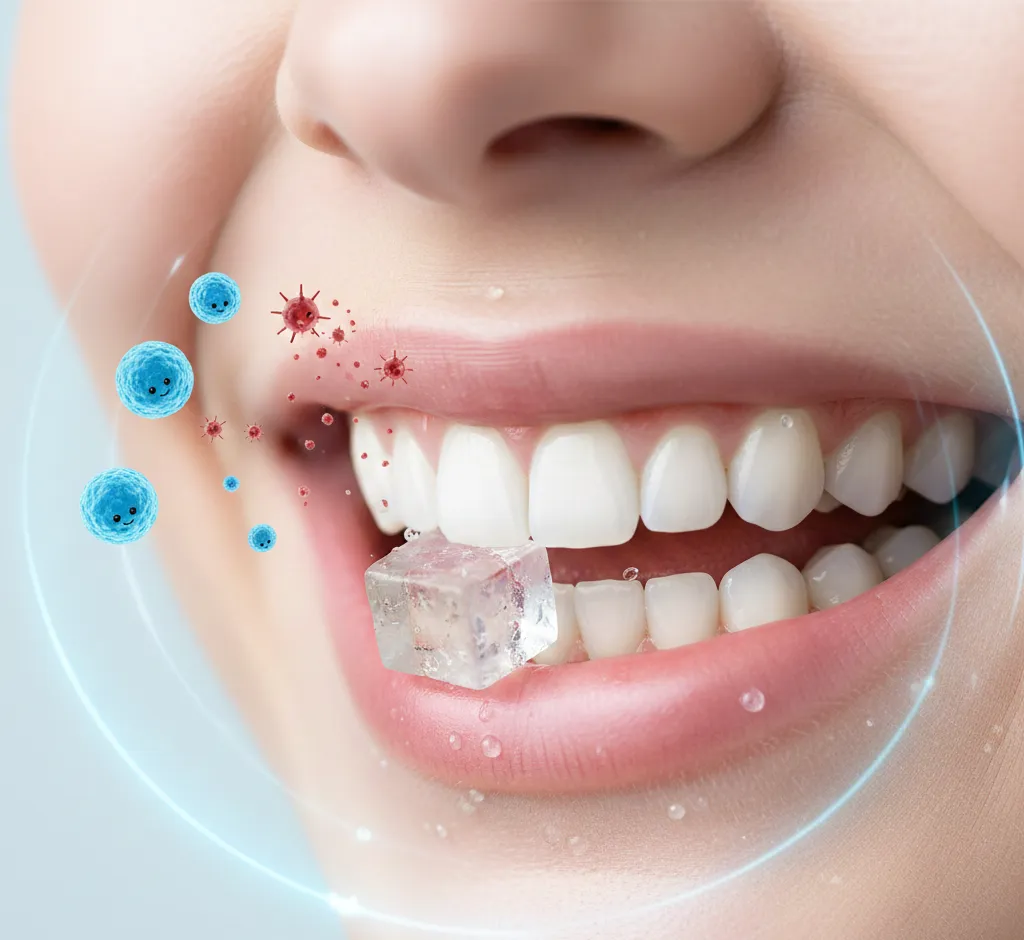
Xylitol gum has become one of the most researched and recommended sugar-free chewing gums for cavity prevention. It does more than simply freshen breath: used consistently, it can lower your risk of tooth decay, support remineralization of early lesions, and improve overall oral health as part of a daily routine. Understanding how xylitol works, how much to use, and how to choose the right products can help you leverage this simple habit to protect your smile more effectively.
What Is Xylitol and Why It Matters
Xylitol is a sugar alcohol that occurs naturally in small amounts in fruits, vegetables, and even the human body. Unlike regular sugar, it provides sweetness without feeding cavity-causing bacteria, making it an ideal ingredient for oral-care products such as gum, mints, and toothpaste. In chewing gum form, xylitol not only tastes pleasant but also stays in contact with teeth and saliva for several minutes, which enhances its protective effect.
From a chemical standpoint, xylitol looks similar enough to sugar that oral bacteria try to metabolize it, but they cannot complete the process efficiently. As a result, far less acid is produced compared with sucrose or other fermentable carbohydrates, helping to keep the pH in the mouth closer to neutral. This shift in the oral environment makes it harder for harmful bacteria to thrive and for cavities to form.
How Xylitol Gum Helps Prevent Cavities
Cavities develop when acids produced by oral bacteria demineralize tooth enamel faster than saliva and fluoride can repair it. Xylitol gum tackles this problem on multiple fronts, providing both direct antibacterial effects and indirect protective benefits. Over time, regular use can measurably reduce caries risk and support a healthier balance of oral microorganisms.
The protective effects of xylitol gum can be grouped into three main mechanisms: reducing harmful bacteria, lowering acid production, and enhancing saliva flow. Each mechanism reinforces the others, which is why consistent daily use is crucial for maximum benefit.
1. Reducing Harmful Oral Bacteria
A key target of xylitol is Streptococcus mutans, one of the primary bacteria involved in dental caries. These bacteria adhere to tooth surfaces, form plaque, and metabolize sugars into acids that dissolve enamel. When exposed to xylitol regularly, their ability to grow, adhere, and produce acids is impaired, which gradually shifts the bacterial population in a less cariogenic direction.
Clinical studies have shown that chewing xylitol gum daily for several weeks can lead to a significant reduction in mutans streptococci levels in both plaque and saliva. In long-term trials with children, regular xylitol use has been associated with fewer new cavities and even greater rates of lesion reversal, suggesting that the bacterial shift has meaningful clinical impact over time.
2. Lowering Acid Production and Plaque Formation
Because oral bacteria cannot effectively break down xylitol, they produce far less lactic acid than they do when exposed to sucrose or other fermentable sugars. This reduction in acid production helps maintain a higher pH at the tooth surface, which favors remineralization rather than demineralization. Over the long term, this acid-suppressing effect can slow down or halt the progression of early carious lesions.
In addition to altering bacterial metabolism, xylitol gum has been associated with reductions in plaque weight and thickness compared with control gums sweetened with sorbitol or sugar. Less plaque means fewer sites where acids can be produced and retained against the enamel, and it often translates into lower risk of gum inflammation and improved self-perceived oral cleanliness.
3. Stimulating Saliva and Supporting Remineralization
Any sugar-free gum encourages chewing, which stimulates salivary flow. Saliva is the mouth’s natural defense system: it dilutes and buffers acids, supplies calcium and phosphate ions, and helps wash away food debris and bacteria. When sweetened with xylitol, the gum combines this mechanical benefit with chemical protection, amplifying the overall preventive effect.
Enhanced saliva flow, together with a less acidic environment and reduced bacterial challenge, promotes remineralization of early non-cavitated lesions. Over time, enamel that has only begun to soften can harden again as minerals redeposit, effectively stopping cavity progression before it requires restorative treatment.
Evidence from Clinical Studies
Multiple randomized controlled trials and meta-analyses have evaluated xylitol-containing products, particularly chewing gum, in children and adults. In several long-term school-based programs where children chewed xylitol gum multiple times per day, researchers observed significantly fewer new cavities than in control groups using sucrose gum, sorbitol gum, or no gum at all. Some studies reported not only reduced caries incidence but also a higher proportion of lesions that reversed from active to inactive.
Systematic reviews have concluded that xylitol can be an effective adjunct in caries prevention, especially when used consistently at adequate doses and frequencies. While individual studies differ in design and quality, the overall trend supports the inclusion of xylitol gum as part of a broader preventive strategy rather than as a stand-alone solution.
Benefits Beyond Cavity Prevention
Although cavity prevention is the primary focus, xylitol gum may confer additional oral health benefits. By reducing plaque accumulation and improving salivary flow, it can contribute to fresher breath and a cleaner mouthfeel, which many users notice within days of regular use. Some research also suggests improvements in gingival indices when xylitol gum is used over several months, particularly in older adults and those with higher baseline plaque levels.
Outside of the mouth, xylitol has been studied for potential benefits related to ear infections in children and for its low impact on blood glucose. While these areas are still being explored and may not be directly relevant to dental health, they reinforce xylitol’s profile as a relatively safe sweetener when used appropriately and in moderation.
How Much Xylitol Gum to Use
To gain meaningful anti-caries benefits, both dose and frequency matter. Many dental professionals recommend a total daily intake of around 5–10 grams of xylitol, divided into several exposures. This usually translates into chewing one or two pieces of xylitol gum three to five times per day, depending on the xylitol content per piece stated on the package.
Consistency over months and years appears more important than very high short-term doses. For everyday use, aim to chew xylitol gum after meals and snacks, when acid challenges are highest. Each chewing session should typically last at least five minutes to maximize salivary stimulation and contact time with tooth surfaces.
How to Choose a High-Quality Xylitol Gum
Not all sugar-free gums containing xylitol provide enough of it to meaningfully affect cavity risk. Product labels often mix xylitol with other sweeteners, and in some cases the actual xylitol content is relatively low. Choosing an effective product requires paying attention to ingredients, order of listing, and nutritional information.
- Check ingredient order: Xylitol should appear among the first few ingredients, ideally within the top three to five, signaling that it is a primary sweetener rather than a minor additive.
- Look for disclosed grams per piece: High-quality xylitol gums often specify the exact amount of xylitol in each piece; around 0.7–1 gram per piece is common in therapeutic products.
- Avoid added sugar: Ensure the gum is sugar-free and does not contain sucrose, high-fructose corn syrup, or other fermentable sugars that could counteract the benefits.
- Consider dental endorsements: Some gums carry seals or endorsements from dental associations or professional organizations, which can indicate that the product has met certain criteria.
Incorporating Xylitol Gum into Your Daily Routine
For most people, the easiest way to benefit from xylitol is to build small chewing sessions into existing habits rather than creating entirely new ones. Linking gum use to meals, snacks, or toothbrushing helps ensure regular exposure without much conscious effort. This habit stacking approach also supports better overall oral hygiene.
- Chew one to two pieces of xylitol gum after each main meal for at least five minutes.
- Add an extra chewing session after snacks that contain carbohydrates or sugars.
- Combine gum chewing with twice-daily toothbrushing using fluoride toothpaste and daily flossing or interdental cleaning.
- Use xylitol gum when water or a toothbrush is not available, such as after eating on the go, to help mitigate acid attacks between regular brushing sessions.
Who Can Benefit Most from Xylitol Gum
While almost anyone without specific contraindications can benefit from xylitol gum, certain groups stand to gain more. Individuals with high caries risk, frequent snacking habits, dry mouth, or difficulty maintaining meticulous oral hygiene may find xylitol particularly helpful as an adjunctive measure. Children and adolescents in the years around eruption of permanent teeth are another key population, as enamel is more vulnerable during and shortly after eruption.
Older adults with reduced salivary flow due to medications or systemic conditions can also benefit from the saliva-stimulating and plaque-reducing effects of xylitol gum. In such cases, using xylitol in combination with other dry mouth products and regular dental visits can help maintain comfort and reduce disease progression.
Safety Considerations and Possible Side Effects
For healthy humans, xylitol is generally considered safe when consumed in typical dietary amounts. However, like other sugar alcohols, it can cause gastrointestinal discomfort, gas, or a laxative effect if consumed in large quantities, especially when intake is increased abruptly. Most people tolerate daily intakes used for dental purposes well, but those with sensitive digestive systems may need to start with smaller amounts and increase gradually.
A critical safety concern is that xylitol is highly toxic to dogs and some other pets, even in small quantities. Pet ingestion can cause rapid insulin release, severe hypoglycemia, liver damage, and can be life-threatening. Xylitol gum and other xylitol-containing products should always be stored securely out of pets’ reach, and any accidental ingestion warrants immediate veterinary attention.
Limitations of Xylitol Gum
Despite its benefits, xylitol gum is not a magic shield against cavities and cannot replace core oral hygiene practices. Brushing with fluoride toothpaste twice a day, cleaning between teeth, limiting sugary snacks and drinks, and attending regular dental checkups remain the foundation of cavity prevention. Xylitol works best as a complementary strategy layered on top of these habits.
Furthermore, not all studies agree on the exact magnitude of xylitol’s effect, and outcomes can vary with dose, frequency, product formulation, and individual risk factors. People with very low caries risk may see only modest additional benefit, whereas those at higher risk may experience more substantial improvements when xylitol is used appropriately as part of a comprehensive prevention plan.
Practical Tips for Maximizing Benefits
To make the most of xylitol gum, think of it as a small daily investment in your oral health that compounds over time. Small, consistent habits are more effective than occasional high-intensity efforts. Choosing the right products and using them strategically throughout the day helps translate the science into real-world protection.
- Set a reminder on your phone or link gum use with coffee breaks, lunch, and dinner so doses are spread across the day.
- Keep xylitol gum in your bag, car, desk, or gym locker to ensure it is available when you need it.
- Discuss xylitol use with your dentist, especially for children, to tailor dose and frequency to individual caries risk and to integrate it with fluoride treatments and sealants.
- Monitor how your mouth feels over several weeks; many people report a cleaner sensation, fewer complaints of sensitivity, and more confidence in their oral freshness.
Key Takeaways
Xylitol gum offers a scientifically supported, convenient way to help prevent cavities by reducing harmful bacteria, lowering acid production, and stimulating protective saliva. When used consistently in adequate doses, especially around meals and snacks, it can contribute to fewer new cavities and better overall oral comfort over time.
However, it should always be viewed as a valuable adjunct to—not a replacement for—good oral hygiene, fluoride use, a tooth-friendly diet, and regular professional dental care. With the right expectations and usage patterns, xylitol gum can become a simple, enjoyable habit that meaningfully supports long-term dental health.