Yoga Poses for Jaw Relaxation: Gentle Asanas to Release Tension and Ease TMJ Pain
Discover the best yoga poses for jaw relaxation and TMJ relief. Learn gentle asanas, breathing techniques, and mindful movements to release tension, ease pain, and support a calm, relaxed jaw.
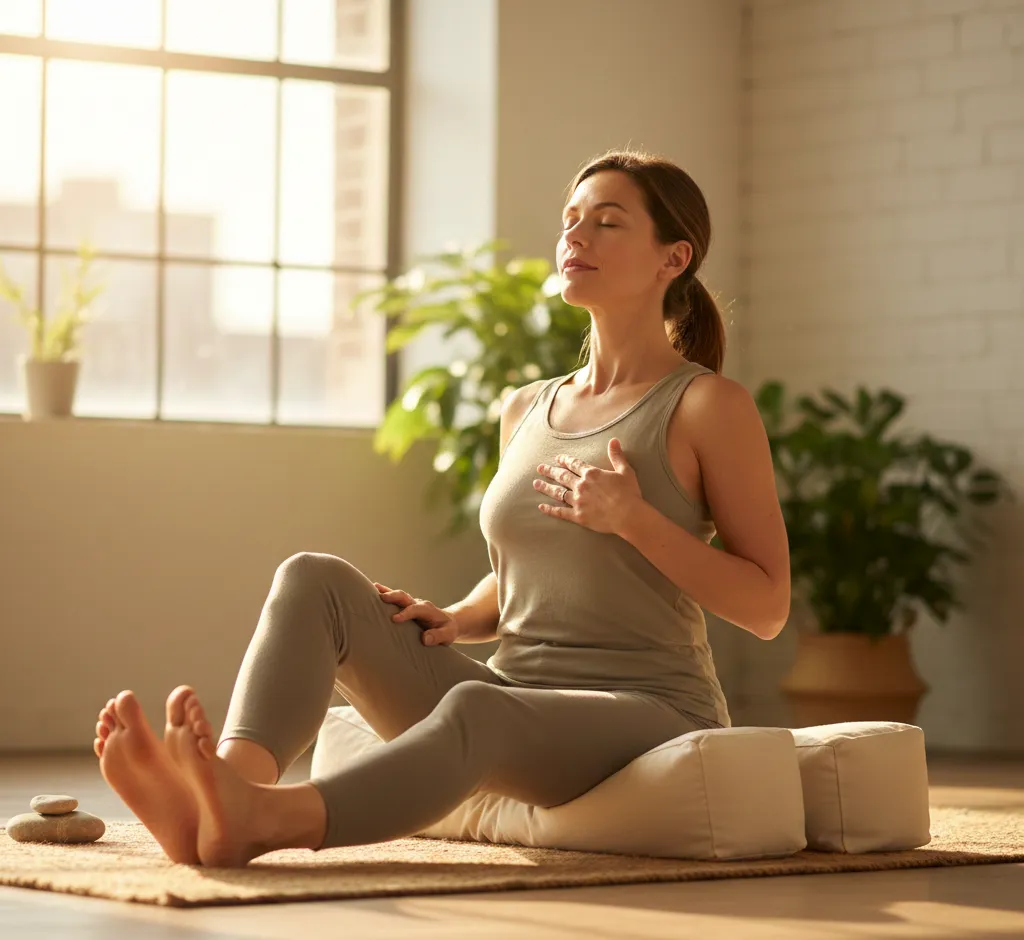
Jaw tension is far more common than most people realize. Long hours at a computer, ongoing stress, teeth grinding at night, and even poor posture can all contribute to a tight jaw and discomfort around the temporomandibular joint (TMJ). Over time, this tension may lead to headaches, neck stiffness, facial pain, and difficulty opening or closing the mouth comfortably.
Yoga offers a gentle, holistic way to relax the jaw, soften the muscles of the face, and restore mobility to the TMJ area. With mindful breathing and well-chosen poses, you can teach your body how to release long‑held tension, support better posture, and calm your nervous system at the same time.
Why the Jaw Holds So Much Tension
The jaw is closely linked to both posture and stress. When we feel anxious or overwhelmed, we often clench our teeth or tighten the muscles around the mouth without even noticing. Over time, this can create chronic tightness in the masseter, temporalis, and surrounding facial muscles.
- Stress and anxiety: Emotional stress often shows up as physical tension in the jaw, neck, and shoulders.
- Bruxism (teeth grinding): Many people grind or clench their teeth during sleep, overworking the jaw muscles.
- Forward-head posture: Hunching over a desk pushes the head forward, straining the neck and jaw.
- Misalignment: TMJ dysfunction or dental misalignment can alter how the jaw moves and rests.
Yoga for jaw relaxation works by addressing both the physical and nervous system components. Stretching and gentle strengthening support the muscles around the jaw, neck, and shoulders, while slow breathing activates the parasympathetic nervous system, helping the body shift into a rest-and-digest state.
How Yoga Helps the Jaw and TMJ
Instead of working directly on the joint alone, yoga approaches jaw tension from multiple angles. The poses and practices below are designed to:
- Lengthen tight muscles in the neck, shoulders, and upper back.
- Improve posture so the jaw can sit in a more natural, relaxed position.
- Increase awareness of clenching and grinding habits.
- Encourage deep, steady breathing that calms the mind and relaxes the face.
Before you begin, remember that yoga should never be painful. If you experience sharp jaw pain, locking, or significant difficulty opening your mouth, consult a healthcare or dental professional, ideally one familiar with TMJ disorders, before trying new movements.
Preparation: Breathing and Body Awareness
Centering breath (3–5 minutes)
Start in a comfortable seated position—on a chair with both feet on the floor or cross‑legged on a mat. Lengthen your spine, rest your hands on your thighs, and gently close your eyes.
- Inhale slowly through the nose for a count of 4, feeling the ribs expand.
- Exhale through the nose for a count of 6, letting your shoulders drop.
- On each exhale, consciously soften your tongue, lips, and jaw.
- Allow your upper and lower teeth to separate slightly so the jaw can rest.
Continue this breathing for several rounds, noticing any areas of tightness around the mouth, cheeks, and temples. This simple breath sets the tone for the rest of your practice.
Jaw-friendly alignment check
- Stack your ears over your shoulders instead of letting your head drift forward.
- Lift the crown of your head gently upward to lengthen the back of the neck.
- Let your chin draw slightly toward the throat so the neck stays long.
Good alignment reduces strain on the jaw and supports healthier movement of the TMJ over time.
Key Yoga Poses for Jaw Relaxation
1. Supported Child’s Pose (Balasana) for Whole-Body Softening
Supported Child’s Pose creates a sense of safety and grounding that helps jaw and facial muscles release.
- Kneel on your mat with your big toes touching and knees wide apart.
- Place a folded blanket, pillow, or bolster between your thighs for support.
- Fold forward and rest your torso and head on the support, turning your head to one side.
- Allow your arms to rest along your sides or extended forward.
- Soften your jaw completely, letting your lips part slightly and tongue relax from the roof of your mouth.
Stay for 1–3 minutes, then gently turn your head to the other side to balance the neck. Focus on long exhales and a feeling of melting into the support beneath you.
2. Cat–Cow (Marjaryasana–Bitilasana) to Mobilize Spine and Neck
Cat–Cow synchronizes movement with breath, releasing tension along the spine, neck, and shoulders—areas that strongly influence jaw tension.
- Come onto all fours with your wrists under your shoulders and knees under your hips.
- On an inhale, drop your belly, lift your chest and tailbone, and gaze forward or slightly up (Cow Pose).
- On an exhale, round your spine toward the ceiling, tuck your tailbone, and drop your head (Cat Pose).
- Move slowly between Cat and Cow for 8–10 rounds, keeping the jaw relaxed and lips gently closed or slightly parted.
Imagine the movement rippling gently up the spine into the base of the skull. Allow the neck to stay soft, avoiding any gripping in the back of the head or jaw.
3. Seated Neck Release with Jaw Awareness
This simple seated stretch relieves tightness in the neck, which often contributes to TMJ discomfort.
- Remain seated with a tall spine and relaxed shoulders.
- Let your right ear gently move toward your right shoulder without lifting the shoulder.
- Rest your right hand lightly on the left side of your head to deepen the stretch very gently, if comfortable.
- Extend your left arm down toward the floor to feel a stretch along the side of the neck.
- Keep your jaw loose, teeth apart, and tongue resting behind the lower front teeth.
Hold for 5–8 slow breaths, then switch sides. If you notice clenching, soften your gaze and exhale slowly through the nose or mouth.
4. Gentle Chin Tucks (Jalandhara Bandha Variation)
Very gentle chin tucks help align the head over the spine and reduce forward-head posture, which often overloads the jaw.
- Sit or stand tall with shoulders relaxed.
- Imagine a string pulling the crown of your head upward.
- Without dropping the chin toward the chest, draw the chin slightly back as if creating a double chin.
- Feel a subtle stretch along the back of the neck and a sense of the skull balancing over the spine.
- Hold for 3–5 breaths, then release.
Repeat 5–8 times, moving slowly. Keep the jaw soft and avoid forcing the movement.
5. Lion’s Breath (Simhasana) for Facial and Jaw Release
Lion’s Breath looks playful but powerfully releases the muscles of the jaw, tongue, and throat.
- Kneel or sit cross‑legged with your hands on your knees.
- Inhale deeply through the nose.
- As you exhale, open your mouth wide, stick your tongue out toward your chin, and sigh or gently roar the breath out.
- Widen your eyes and spread your fingers as you exhale.
- Relax everything on the inhale and return to a neutral expression.
Repeat 3–5 times. This exercise can feel intense for the jaw, so move mindfully and keep the breath comfortable rather than forceful.
6. Supported Fish Pose (Matsyasana Variation) for Chest and Throat Opening
Supported Fish Pose opens the chest and front of the throat while encouraging a gentle release in the muscles under the jaw.
- Place a bolster or two firm folded blankets lengthwise on your mat.
- Sit in front of the support and slowly lower your back onto it so that your upper back and head are supported.
- Allow your arms to rest out to the sides, palms facing up.
- Keep your chin neutral rather than dropping fully back; you want a gentle throat opening, not strain.
- Let your jaw relax, lips soft, and tongue resting comfortably.
Stay for 3–5 minutes, breathing slowly. If you experience any discomfort in the jaw or neck, adjust the height of the support or come out of the pose.
7. Reclined Bound Angle Pose (Supta Baddha Konasana) with Jaw Scan
This restorative pose is ideal for deep relaxation and awareness of subtle jaw tension.
- Lie on your back and bring the soles of your feet together, allowing your knees to open out to the sides.
- Use blocks, cushions, or folded blankets under the thighs to support the hips.
- Place one hand on your belly and one hand on your chest.
- Close your eyes and soften all the muscles of your face.
- With each exhale, imagine tension melting from your jaw, cheeks, and around your eyes.
Stay for 5–10 minutes if comfortable. This is a perfect time to notice any unconscious clenching and consciously choose to relax the jaw.
Simple Jaw-Targeted Movements in a Yogic Way
Alongside traditional yoga poses, a few gentle movements right around the jaw can be helpful when done with yogic awareness and breath.
Gentle jaw circles
- Sit comfortably with your spine long.
- Allow your mouth to open slightly so the teeth do not touch.
- Move your lower jaw very slowly in small circles—first clockwise, then counterclockwise.
- Keep the movements tiny and pain-free; this should feel like exploration, not effort.
Breathe smoothly as you move, and stop immediately if you feel any clicking, popping, or sharp discomfort.
Side-to-side jaw glide
- With the lips lightly closed and teeth apart, gently slide the lower jaw a few millimeters to the right, then back to center.
- Repeat to the left, always moving slowly and within a comfortable range.
- Coordinate the movement with your breath: inhale at center, exhale as you glide to the side.
Use these movements sparingly—just 5–8 repetitions each—and never push through pain. The goal is to remind the jaw of its natural mobility, not to force a stretch.
Relaxation and Mindfulness for Lasting Relief
Body scan with emphasis on the jaw
End your practice with a short body scan in a comfortable reclined position, such as Savasana (Corpse Pose).
- Lie on your back with your legs extended or knees bent, arms resting by your sides.
- Close your eyes and take several slow, deep breaths.
- Bring your attention to your feet and slowly move your awareness up through the legs, hips, abdomen, chest, and shoulders.
- When you reach the neck, throat, and jaw, pause.
- Notice any lingering tension around the mouth, cheeks, or temples and imagine exhaling it away.
Finish by softening your tongue, lips, and the skin around your eyes. Stay here for 5–10 minutes, allowing your nervous system to fully settle.
Mantra for softness
Some people find it helpful to use a simple phrase or mantra while relaxing the jaw, such as:
- "My jaw is soft and free."
- "I release tension with every exhale."
Repeat your chosen phrase silently as you breathe, associating it with the feeling of spaciousness around the jaw and face.
Tips for Practicing Jaw-Relaxing Yoga Safely
- Move slowly and gently: The jaw is a delicate joint. Never force a stretch or push past your comfort zone.
- Prioritize breath: Smooth, steady breathing is more important than depth of pose. If your breath becomes strained, ease out.
- Watch for clenching: Check in frequently with your jaw and tongue, especially during challenging or unfamiliar poses.
- Practice consistently: Short daily sessions, even 10–15 minutes, are more effective than occasional long practices.
- Combine with lifestyle changes: Good posture at your desk, regular breaks from screens, and stress‑management strategies will support your yoga practice.
If you have a diagnosed TMJ disorder, chronic jaw locking, or intense pain, work with a medical professional or physical therapist and let your yoga teacher know about your condition so they can suggest appropriate modifications.
Designing a Short Jaw-Relaxing Yoga Routine
To make these practices part of your routine, try this simple 15–20 minute sequence:
- Centering breath: 3 minutes of slow inhales and exhales, relaxing the jaw.
- Cat–Cow: 8–10 rounds to mobilize spine and neck.
- Seated neck release: 5 breaths per side, keeping the jaw soft.
- Gentle chin tucks: 5–8 repetitions with relaxed facial muscles.
- Lion’s Breath: 3–5 rounds to release facial and jaw tension.
- Supported Child’s Pose: 2–3 minutes of full-body softening.
- Reclined Bound Angle Pose with body scan: 5–7 minutes for deep relaxation.
As you become more comfortable, you can add Supported Fish Pose or longer relaxation periods to deepen the benefits.
When to Seek Professional Help
Yoga is a powerful self-care tool, but it is not a replacement for medical assessment when needed. Consider consulting a dentist, TMJ specialist, or physical therapist if you experience:
- Sharp or severe jaw pain that does not improve.
- Regular clicking, popping, or locking of the jaw.
- Difficulty opening or closing the mouth fully.
- Frequent headaches or ear pain linked to the jaw.
With professional guidance and a consistent, gentle yoga practice, most people can significantly reduce jaw tension, improve comfort, and feel more at ease in their own bodies.
Bringing Jaw Relaxation into Everyday Life
The real power of yoga for jaw relaxation comes from what you do off the mat. Throughout your day, notice:
- Are your teeth touching when you are not eating? If so, invite them to separate.
- Is your tongue pressed hard against the roof of your mouth? Let it rest softly behind the lower front teeth.
- Are you hunching over your phone or computer? Realign your head over your shoulders.
- Do you hold your breath when stressed? Return to slow, steady inhales and exhales.
Each time you catch yourself clenching and consciously soften, you are teaching your nervous system a new, more relaxed pattern. Combined with the yoga poses and breathing practices above, this awareness can transform jaw tension from a constant burden into something you can gently manage—and, over time, greatly reduce.