Chocolate Flavonoids Absorption Rates: How To Maximize Their Health Benefits
Discover how chocolate flavonoids are absorbed in the body, what affects their bioavailability, and how to choose and eat chocolate to maximize heart and health benefits.
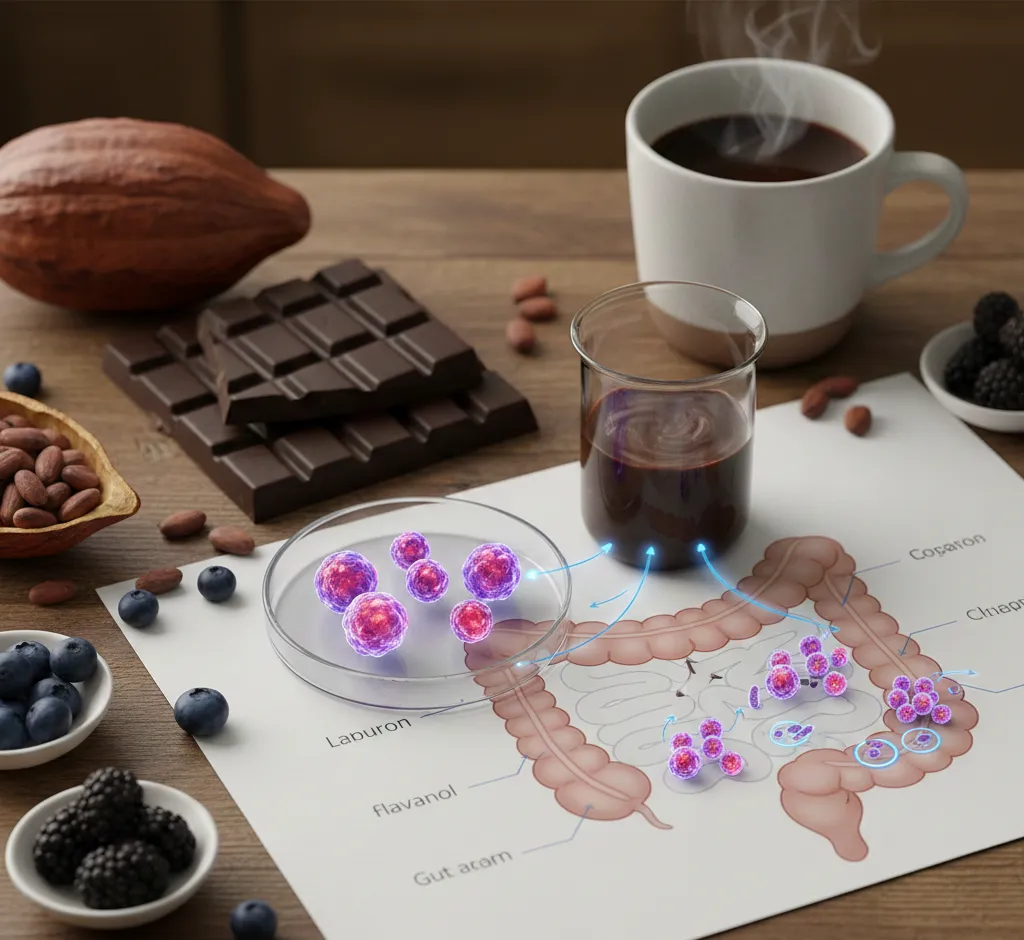
Chocolate is often celebrated as a delicious treat, but scientific research has revealed that it can also be a meaningful source of bioactive compounds called flavonoids. These plant-based molecules, especially abundant in cocoa, are linked to heart health, improved blood flow, and antioxidant activity. However, the key question is not just how many flavonoids chocolate contains, but how efficiently our bodies absorb them.
Understanding chocolate flavonoids absorption rates helps you choose the right type of chocolate, eat it the right way, and realistically evaluate its potential health benefits. This article explores what chocolate flavonoids are, how they are absorbed, what affects their bioavailability, and how you can optimize your intake.
What Are Chocolate Flavonoids?
Flavonoids are a large family of polyphenolic compounds found in many plant foods, including fruits, vegetables, tea, wine, and cocoa. In chocolate, the most studied flavonoids belong to a subgroup called flavanols (also known as flavan-3-ols).
Main flavonoids in cocoa and chocolate
- Epicatechin – a highly bioactive monomer associated with improved blood flow and vascular function.
- Catechin – a related compound with antioxidant and vascular effects.
- Procyanidins (oligomers and polymers) – chains of catechin and epicatechin molecules; they contribute to total cocoa flavonoid content but are absorbed differently from monomers.
These flavonoids are most concentrated in cocoa solids. That means the higher the cocoa content (for example, 70% or more), the more flavonoids the chocolate is likely to have, assuming minimal processing.
Why Absorption Rates Matter
Nutritional labels and marketing claims often highlight the total flavonoid content of a chocolate bar or cocoa powder. However, total content is not the same as what your body actually uses. For flavonoids to influence your health, they must first be:
- Released from the food matrix in your digestive tract.
- Absorbed into the bloodstream through the intestinal wall.
- Metabolized and transported to tissues where they can act.
The term bioavailability describes the fraction of a compound that reaches the systemic circulation in an active or usable form. Chocolate flavonoids absorption rates directly influence:
- How strongly cocoa affects blood vessel function and blood pressure.
- The degree of antioxidant and anti-inflammatory activity in the body.
- The consistency of benefits observed in clinical studies.
Two people can eat the same chocolate bar yet experience different levels of flavonoid absorption depending on genetics, gut microbiota, and other dietary factors.
How Chocolate Flavonoids Are Absorbed
Flavonoid absorption from chocolate follows a relatively predictable pattern that researchers have measured in human trials using blood samples and urinary excretion.
Small intestine: fast-absorbed monomers
Monomeric flavanols such as epicatechin and catechin are absorbed mainly in the small intestine. After you eat cocoa or dark chocolate:
- Flavanols are released from the food matrix during digestion.
- They pass through the intestinal wall, often after being modified (for example, by phase II metabolism such as glucuronidation or sulfation).
- Blood levels of epicatechin typically peak within about 2–3 hours after ingestion.
These absorbed molecules then circulate in the bloodstream in metabolized forms, which still retain biological activity and can influence blood vessels and tissues.
Colon: slower metabolism of larger flavonoids
Larger procyanidins are mostly too big to be absorbed intact in the small intestine. Instead, they travel to the colon, where the gut microbiota break them down into smaller phenolic compounds. These microbial metabolites may then be absorbed and can have systemic effects.
This two-phase process means that chocolate flavonoids may exert both:
- Short-term effects – within hours, primarily from monomeric flavanols.
- Longer-term effects – over many hours or days, via microbial metabolites from larger procyanidins.
Typical Absorption Rates and What They Mean
The exact absorption rate varies based on dose, chocolate type, and individual factors, but clinical research gives some general patterns.
Bioavailability of monomeric flavanols
Monomeric flavanols such as epicatechin generally have low to moderate bioavailability. Estimates from human studies suggest that only a small percentage of the ingested dose appears in the bloodstream as identifiable metabolites, often in the range of a few percent. Even so, this is enough to measurably affect markers such as:
- Endothelial function (for example, flow-mediated dilation).
- Blood pressure and arterial stiffness.
- Plasma antioxidant capacity.
Because flavonoids act partly as signaling molecules rather than just direct antioxidants, even relatively low circulating concentrations can be physiologically meaningful.
Procyanidins and microbial metabolites
Large procyanidins are poorly absorbed intact. Instead, their health effects are mediated by:
- Local actions in the gut (for example, influencing gut microbiota composition).
- Conversion to smaller phenolic acids and related compounds by gut bacteria.
The appearance of these metabolites in blood and urine typically occurs later than monomeric flavanols, sometimes peaking after 6–12 hours or longer, reflecting slower colon fermentation and absorption.
Factors That Influence Chocolate Flavonoid Absorption
Several diet and lifestyle factors can significantly modify how efficiently your body absorbs and utilizes flavonoids from chocolate.
1. Cocoa content and processing
The starting point for good absorption is sufficient flavonoid content. Several aspects matter:
- Cocoa percentage: Higher cocoa percentages (70% and above) generally mean more flavonoids per gram than milk or white chocolate.
- Fermentation and roasting: These necessary steps can lower flavonoid content if performed intensively. Lighter processing tends to preserve more flavanols.
- Dutching (alkalization): Treating cocoa with alkali mellows flavor and color but can drastically reduce flavonoid levels. Non-alkalized cocoa is typically richer in flavonoids.
If the flavonoid content is low to begin with, even perfect absorption will not deliver meaningful doses. For best results, choose minimally processed, high-cocoa products.
2. The role of milk
The interaction between milk and cocoa flavonoids has been debated. Some early studies suggested that milk proteins might bind flavonoids and reduce their absorption. Later research has produced mixed findings, indicating that:
- Milk may slightly slow or modify the absorption of certain flavanols in some individuals.
- Overall bioavailability is sometimes only modestly affected, and not always significantly reduced.
However, from a practical standpoint, milk chocolate usually contains far less cocoa (and therefore fewer flavonoids) than dark chocolate. This lowers total flavonoid intake even if relative absorption per milligram is similar. If your goal is maximizing flavonoid absorption, dark chocolate or pure cocoa is generally preferable.
3. Fat and the food matrix
Chocolate is a complex matrix of cocoa solids, cocoa butter, sugar, and sometimes milk. This composition influences how flavonoids are released and absorbed:
- The presence of fat can slow gastric emptying and alter the rate at which flavonoids reach the small intestine.
- Some fat may enhance solubility and transport of flavonoids through the intestinal wall, but this effect is not fully clear.
In general, whole dark chocolate provides a balanced matrix that permits flavonoid absorption, though the same flavonoid dose in a beverage form (like cocoa drink) may be absorbed somewhat differently due to faster gastric emptying and dilution.
4. Gut microbiota
The bacterial community in your colon plays a major role in transforming poorly absorbed cocoa flavonoids into smaller, more bioavailable metabolites. Individual differences in gut microbiota can therefore change:
- How extensively large procyanidins are broken down.
- Which metabolites are produced and how quickly.
- The intensity and timing of health effects.
A diet rich in fiber and plant foods generally supports a diverse microbiota, which may in turn help maximize the benefits of chocolate flavonoids over time.
5. Dose and frequency
The relationship between dose and absorption is not always linear. Some observations from intervention studies include:
- Small to moderate doses of cocoa flavanols are absorbed efficiently, with clear increases in blood levels.
- At very high doses, intestinal transport mechanisms may become saturated, limiting further increases in absorption.
- Regular daily intake may produce more consistent vascular benefits than occasional large doses.
In practical terms, moderate, consistent consumption of flavonoid-rich chocolate or cocoa is likely more beneficial than rare, excessive intake.
6. Individual physiology
Like many bioactive nutrients, flavonoid absorption is influenced by personal characteristics, such as:
- Age and sex.
- Genetic variants that affect metabolic enzymes.
- Digestive health and presence of gastrointestinal disorders.
- Concurrent medications or supplements that interact with metabolism pathways.
These factors help explain why some people show stronger blood pressure or vascular responses to cocoa flavonoids than others, even with similar intake.
Health Effects Linked to Flavonoid Absorption
The clinical benefits seen in cocoa and dark chocolate studies largely depend on the degree and pattern of flavonoid absorption. When bioavailability is sufficient, research suggests several key areas of impact.
Cardiovascular and endothelial function
One of the most well-documented effects of absorbed cocoa flavanols is improved endothelial function, often measured by flow-mediated dilation of blood vessels. Mechanisms may include:
- Enhanced production of nitric oxide, a molecule that helps blood vessels relax.
- Reduced oxidative stress in the vascular wall.
- Improved platelet function and reduced tendency for blood to clot excessively.
These changes can contribute to modest reductions in blood pressure and better overall cardiovascular health when combined with a balanced lifestyle.
Antioxidant and anti-inflammatory actions
While flavonoids can act as antioxidants in the lab, their primary role in humans appears to involve modulating cell signaling pathways. Through absorbed flavonoids and their metabolites, cocoa may:
- Influence gene expression related to inflammation and oxidative stress.
- Protect LDL cholesterol particles from oxidation.
- Support a more favorable inflammatory profile over time.
These subtle but cumulative effects depend on regular exposure to bioavailable flavonoid metabolites.
Brain and mood effects
Because absorbed flavonoids can affect blood flow and signaling molecules, some studies suggest cocoa flavanols may:
- Increase cerebral blood flow in certain regions of the brain.
- Support aspects of cognitive performance under mental fatigue.
- Contribute to mood improvement, alongside the sensory pleasure of eating chocolate.
More research is needed, but again, these potential benefits hinge on the extent to which flavonoids are absorbed and reach target tissues.
Practical Tips to Maximize Chocolate Flavonoid Absorption
While you cannot control every variable, you can adopt strategies to improve the likelihood that your body absorbs and uses chocolate flavonoids effectively.
Choose the right type of chocolate
- Favor dark chocolate with at least 70% cocoa content.
- Look for products that specify high flavanol content or use minimally processed, non-alkalized cocoa.
- Limit white chocolate and conventional milk chocolate if your goal is flavonoid intake, as they typically contain little to no cocoa solids.
Consider cocoa beverages
Cocoa beverages made with non-alkalized cocoa powder can be an efficient way to consume flavonoids. Compared to solid chocolate, beverages may:
- Deliver flavonoids in a more diluted, quickly emptied matrix.
- Allow easier control of portion size and sugar content.
Preparing cocoa with water or plant-based milk, and only light sweetening, can help retain its health advantages.
Mind the timing with other foods
You do not need to eat chocolate on an empty stomach, but some patterns may be favorable:
- Avoid overloading a single meal with large amounts of competing polyphenol-rich foods if you want to study your individual response.
- Combine cocoa with a generally balanced diet rich in fruits, vegetables, and whole grains to support the microbiota that help process flavonoids.
Moderate consumption spread across the week is more realistic and sustainable than chasing maximal absorption from a single serving.
Support a healthy gut microbiome
Because your microbiota help metabolize larger cocoa flavonoids, long-term dietary patterns matter. You may support beneficial fermentation of cocoa compounds by:
- Eating a variety of fiber sources, including legumes, whole grains, fruits, and vegetables.
- Limiting excessive ultra-processed foods that can disrupt microbiome balance.
- Including fermented foods (such as yogurt, kefir, sauerkraut) if tolerated.
These habits do not instantly change chocolate flavonoid absorption rates, but they improve your overall capacity to benefit from them over time.
How Much Chocolate Is Reasonable?
Even with their promising health properties, chocolate flavonoids come packaged with calories, fat, and often sugar. A health-focused approach balances flavonoid intake with energy and sugar moderation.
Evidence-based portion guidance
Many intervention trials that observed cardiovascular benefits used daily amounts of cocoa providing roughly the equivalent of:
- About 20–40 grams of high-cocoa dark chocolate, or
- A beverage made from around 2–3 teaspoons of high-flavanol cocoa powder.
Real-world portions should be tailored to your energy needs, medical conditions, and overall diet. For many adults, a small portion of dark chocolate most days fits better than large occasional indulgences.
Quality over quantity
Because absorption rates are limited, eating more and more chocolate does not linearly increase health benefits. At a certain point, additional calories and sugar outweigh small gains in flavonoid exposure. Focusing on high-quality, flavonoid-rich products—and enjoying them mindfully—offers the best compromise.
Key Takeaways on Chocolate Flavonoids Absorption Rates
- Chocolate flavonoids, mainly epicatechin, catechin, and procyanidins, contribute to potential cardiovascular and cognitive benefits.
- Only a fraction of ingested flavonoids is absorbed, with monomeric flavanols absorbed in the small intestine and larger compounds processed later by gut microbiota.
- Absorption rates and overall bioavailability depend on cocoa content, processing, the presence of milk and fat, gut microbiota, dose, and individual physiology.
- Dark, minimally processed chocolate and non-alkalized cocoa powder offer the best chance of meaningful flavonoid intake.
- Regular, moderate consumption within a balanced diet is more important than trying to maximize a single dose.
By understanding how chocolate flavonoids are absorbed and what influences their bioavailability, you can make more informed choices about the type and amount of chocolate you consume. In the context of an overall healthy lifestyle, thoughtfully chosen cocoa products can be both a source of pleasure and a contributor to long-term wellbeing.