Effects of Dry Air on Sleep Apnea: How Low Humidity Quietly Worsens Your Nights
Learn how dry air and low bedroom humidity can worsen sleep apnea symptoms, increase snoring, and reduce CPAP comfort, plus practical steps to optimize humidity for better sleep.
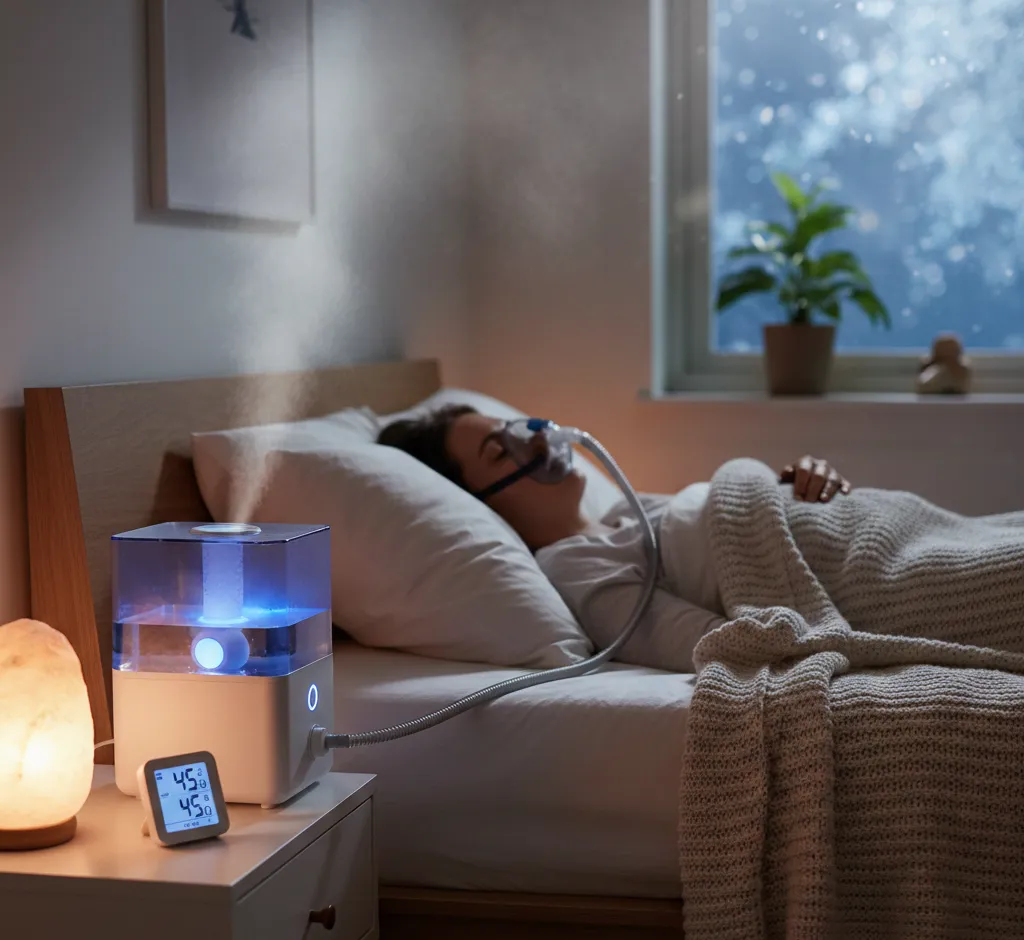
Sleep apnea already makes it difficult to get deep, restorative sleep, but the problem can become even worse when the air in your bedroom is dry. Low humidity irritates the airways, promotes congestion, and can decrease comfort with CPAP therapy, all of which may intensify symptoms and lead to more restless nights. Understanding how dry air affects sleep apnea gives you practical ways to fine-tune your sleep environment and improve both breathing and overall sleep quality.
What Is Sleep Apnea?
Sleep apnea is a sleep-related breathing disorder in which airflow repeatedly stops or becomes restricted during sleep, causing brief awakenings and drops in blood oxygen. The most common form, obstructive sleep apnea (OSA), occurs when the upper airway collapses or becomes blocked, often due to relaxed throat muscles, excess tissue, or structural narrowing.
Typical symptoms include loud snoring, gasping or choking at night, unrefreshing sleep, morning headaches, and daytime sleepiness. Untreated sleep apnea increases the risk of high blood pressure, heart disease, stroke, and problems with memory, mood, and concentration, making effective management essential.
What Counts as "Dry" Indoor Air?
Indoor air is considered dry when the relative humidity falls below the range that is generally recommended for comfort and respiratory health. Many sleep and environmental experts suggest that the ideal indoor humidity for sleep falls between 30% and 50%, with some sources extending the upper bound to 60%. When humidity drops well below 30%, especially during heated winter months, the air rapidly pulls moisture from the nose, throat, and skin.
Dry conditions are most common in colder seasons, when heaters and forced-air systems warm the air but strip it of moisture. Bedrooms with strong heating, leaky windows, or no humidification are particularly prone to very low humidity levels overnight, which can aggravate breathing issues in people with sleep apnea.
How Dry Air Affects the Airways
When air is dry, every breath carries less moisture into the nose and throat, allowing the delicate tissues that line the airways to lose water quickly. This leads to drying of the nasal passages, sinuses, and throat, often causing a sore throat, dry mouth, and a burning or scratchy sensation on waking. In people who already struggle with restricted airflow due to sleep apnea, this irritation adds another layer of discomfort that can fragment sleep.
Dry air also encourages mucus to become thicker and stickier, which can contribute to congestion and a feeling of blockage in the nose. As the nasal passages narrow or clog, the body is more likely to switch to mouth breathing, which dries the throat even further and can worsen snoring and upper-airway vibration during sleep.
Dry Air and Worsening Sleep Apnea Symptoms
Although dry air does not directly cause sleep apnea, it can worsen symptoms and make the condition harder to live with. Clinicians note that low humidity can irritate the upper airways, increase snoring, and make breathing feel more difficult for people who already have sleep apnea. These effects are particularly noticeable during the winter, when cold outdoor air and indoor heating create especially dry environments.
Research on bedroom environments suggests that conditions such as temperature, airborne particles, and seasonal dryness can influence both sleep quality and the severity of obstructive sleep apnea. In seasons or locations with drier air, higher levels of particulate matter and airway irritation have been associated with higher apnea–hypopnea indices and poorer perceived sleep quality, indicating that environmental control is an important complement to medical treatment.
Why Dry Air Makes Snoring and Breathing Feel Worse
Snoring happens when air moves turbulently through a narrowed airway, causing tissues in the throat, soft palate, or tongue region to vibrate. Dry air increases inflammation and sensitivity in these tissues, making them more prone to vibration and noise when airflow speeds up or becomes irregular. As a result, people with sleep apnea often report louder or more frequent snoring when their bedroom air feels particularly dry.
In addition, dryness-related nasal congestion forces more airflow through the mouth, which changes the shape and stability of the upper airway. Mouth breathing encourages the jaw to drop and the tongue to fall backward, raising the likelihood of partial or full obstruction during sleep and compounding symptoms of obstructive sleep apnea.
Impact on CPAP and Other Positive Airway Pressure Therapies
For many people with obstructive sleep apnea, continuous positive airway pressure (CPAP) or similar devices are the primary treatment, helping to keep the airway open by delivering a gentle stream of pressurized air. However, this airflow can feel very dry, and without humidification it can lead to dryness and irritation in the nose, throat, and upper airway. Users often notice symptoms like dry mouth, a sore or burning throat, nasal congestion, or a sensation that the air is uncomfortably cold or harsh.
These discomforts matter because they can reduce adherence to treatment. Studies and clinical reviews indicate that adding humidification to positive airway pressure therapy can decrease dryness of the throat and mouth, improve comfort, and support more consistent nightly use of the device. When patients are more comfortable, they are more likely to wear their CPAP for the recommended number of hours, which is crucial for reducing daytime sleepiness and long-term health risks associated with sleep apnea.
Heated Humidifiers and CPAP Comfort
Modern CPAP systems often include a built-in or attachable heated humidifier, which warms and moistens the air before it reaches the mask. This added moisture helps soothe dry nasal passages, reduce throat irritation, and prevent the intense dryness that can occur when pressurized air passes repeatedly over the same tissues for hours each night. Many patients find that after turning on or increasing humidification, their CPAP feels significantly more comfortable and they wake with less dryness and congestion.
There is also some evidence that patients using humidified positive airway pressure may tolerate higher therapeutic pressures more easily, because their airway tissues are less irritated. In practical terms, this means that properly adjusted humidification not only combats the effects of dry air but can also improve the overall effectiveness of sleep apnea treatment by keeping people on therapy and reducing mask-off time during the night.
Dry Air, Allergens, and Air Quality
Dry indoor air interacts with other environmental factors that can influence sleep apnea, including allergens and particulate matter. Seasonal changes and heating systems can increase the circulation of dust and other particles, which may irritate the airways and worsen respiratory symptoms in sensitive individuals. In some populations, higher levels of airborne particulate matter in the bedroom have been linked to more severe obstructive sleep apnea events, especially during drier periods.
Balanced humidity plays a role in controlling these triggers. When humidity stays in the recommended range, it can help reduce airborne dust, ease nasal breathing, and support a more stable airway during sleep. On the other hand, very low humidity can allow particles to remain airborne longer, further irritating the nose and throat in people already prone to obstruction and snoring.
Symptoms That Suggest Dry Air Is Aggravating Sleep Apnea
Not everyone with sleep apnea is equally sensitive to dry air, but certain recurring signs suggest that low humidity may be part of the problem. Many people notice that their symptoms feel worse in the winter, in homes with strong forced-air heating, or after sleeping in air-conditioned rooms with no added moisture. Paying attention to patterns can help you identify whether dryness is playing a role.
- Waking with a very dry mouth, lips, or tongue despite using CPAP or a mouthguard.
- Morning sore throat, burning, or scratchy sensation that improves after drinking water.
- Increased nasal congestion or stuffiness at night, even when you are not ill or experiencing allergies.
- Louder or more frequent snoring reported by a bed partner during dry or cold weather.
- Discomfort or intolerance of CPAP airflow that feels especially harsh or dry.
Optimal Humidity for People with Sleep Apnea
For most households, indoor humidity between about 30% and 50% is considered a healthy target that balances comfort with control of mold and dust mites. Within this range, nasal passages are less likely to dry out, breathing usually feels smoother, and people are less prone to waking with dry skin or irritated eyes.
Some sleep resources suggest that many individuals sleep best when bedroom humidity sits around 40% to 50%, while still staying safely below the level at which dampness and microbial growth become concerns. For people with sleep apnea, maintaining humidity within these recommended ranges can support more comfortable breathing, complement CPAP humidification, and potentially reduce snoring and airway irritation triggered by excessively dry air.
Practical Ways to Reduce the Impact of Dry Air
Managing dry air is an important part of a comprehensive sleep apnea plan, alongside medical evaluation, weight management when appropriate, and adherence to prescribed treatments. Fortunately, small adjustments to your bedroom environment can significantly improve how your throat and nose feel overnight. Combining environmental strategies with professional care offers the best chance of reducing symptoms and improving overall sleep quality.
1. Measure and Monitor Humidity
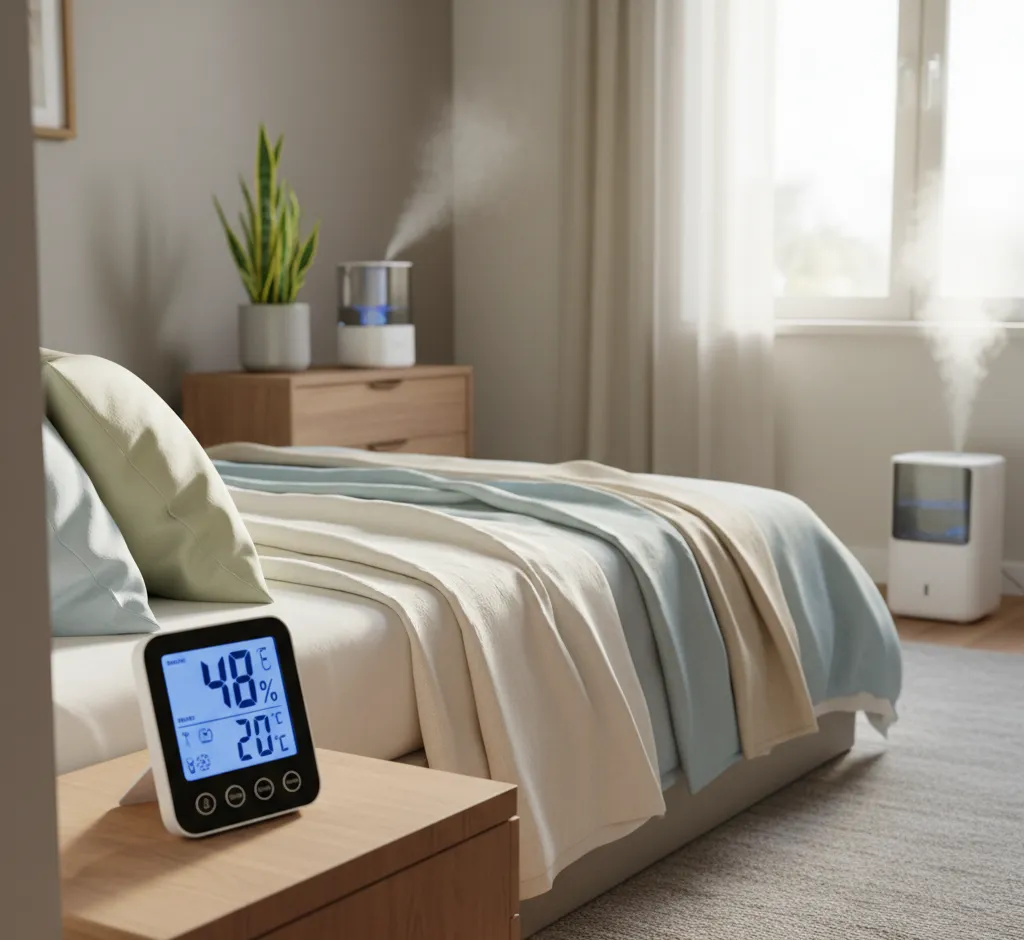
The first step is to understand the conditions in your bedroom. A simple digital hygrometer can continuously display relative humidity, letting you see whether your room routinely falls below the recommended 30% to 50% range. Tracking readings at different times of year helps you decide when to add or reduce moisture to keep conditions comfortable and safe.
If you notice that humidity dips sharply during certain weather patterns, or when heating or air conditioning is running, you can proactively adjust your environment. This might involve using a humidifier in winter and improving ventilation or dehumidification when humidity becomes too high in the warmer months.
2. Use a Room Humidifier Wisely
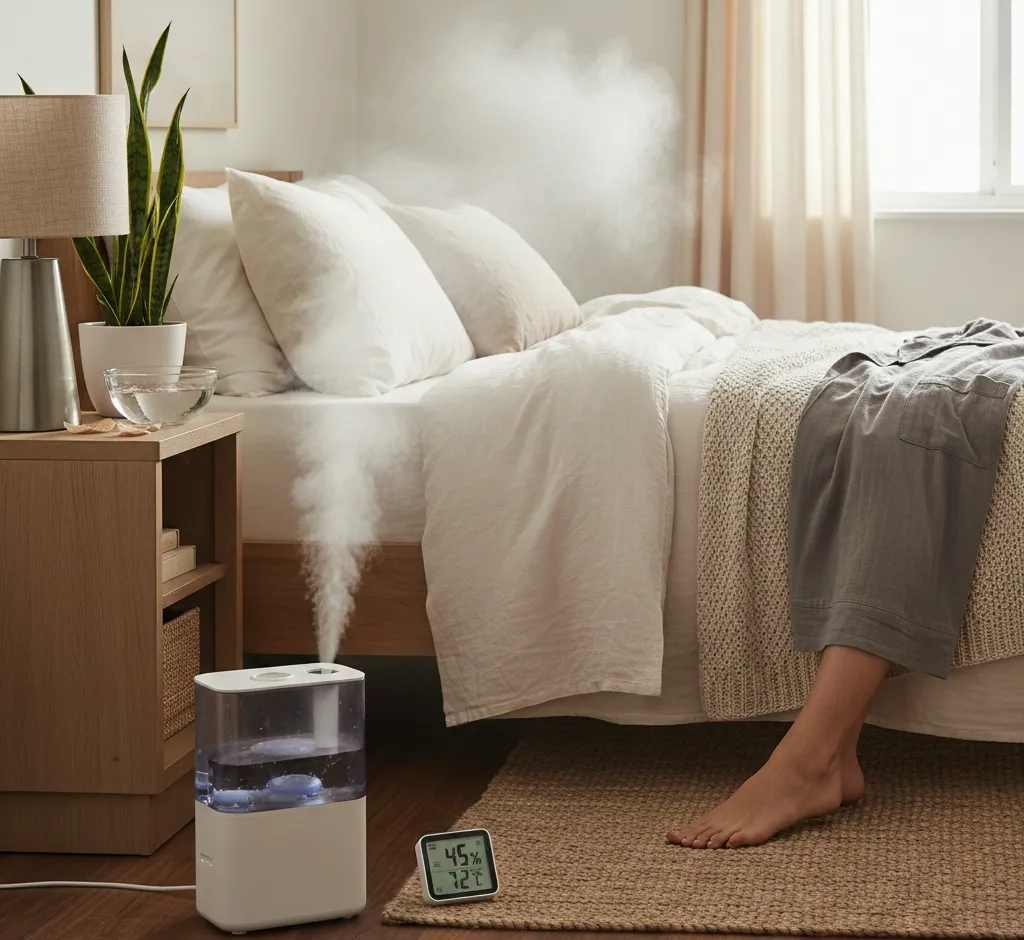
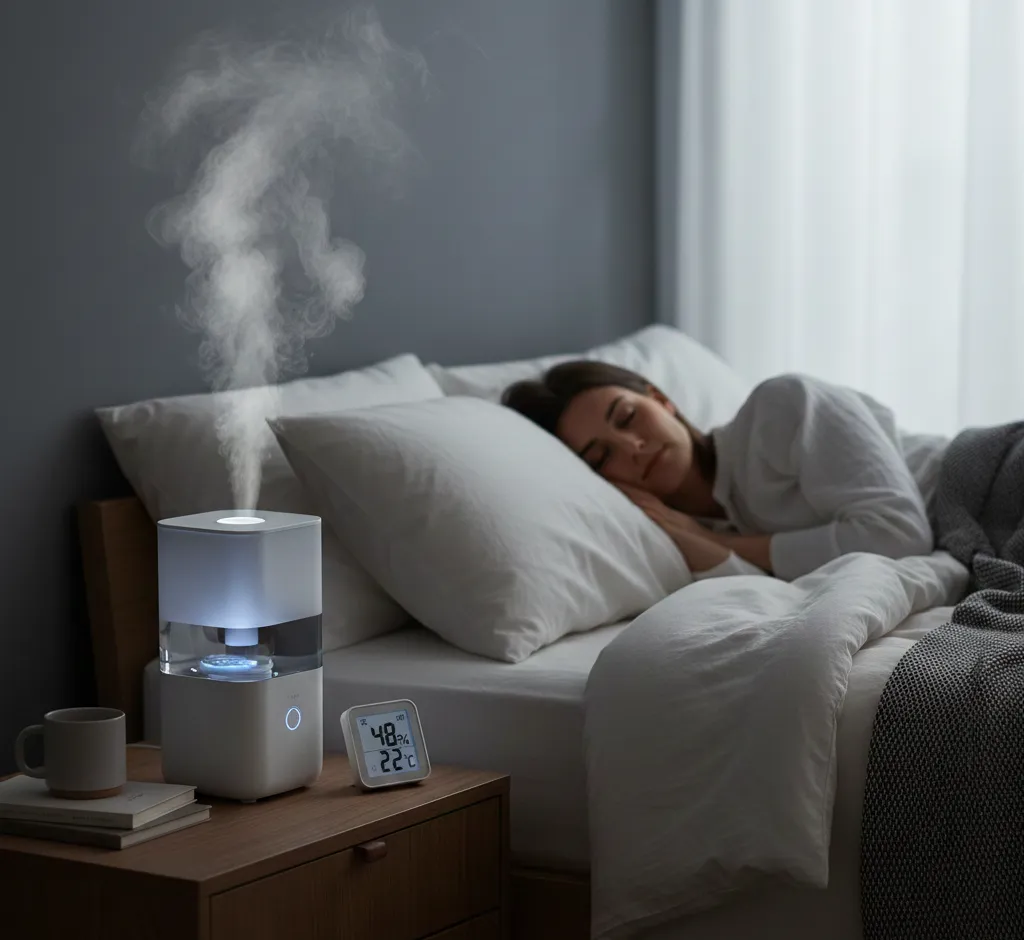
Adding a cool- or warm-mist humidifier to the bedroom is one of the most direct ways to counteract dry air. When used properly, a humidifier gently increases moisture in the air, helping keep nasal passages, throat tissues, and skin from becoming excessively dry overnight. People with sleep apnea often report less dry mouth, less throat irritation, and easier nasal breathing when humidity is kept in an optimal range.
However, it is important not to over-humidify the room. Excess humidity can encourage mold, dust mites, and other allergens that may worsen breathing problems. Regular cleaning of the humidifier, using distilled water when recommended, and monitoring humidity with a hygrometer reduce the risk of mineral buildup, microbial growth, and overly damp indoor air.
3. Optimize CPAP Humidification Settings
If you use CPAP or another positive airway pressure device, reviewing your humidification settings can make a significant difference in comfort. Integrated heated humidifiers allow you to adjust how much moisture is added to the airflow and, in some devices, how warm the air feels as it enters the mask. Increasing humidity in consultation with your sleep provider can relieve dry nose and throat, while heated tubing can reduce condensation that sometimes forms in cooler rooms.
Clinical reviews suggest that humidification can improve tolerability of positive airway pressure therapy, particularly in those who experience dryness as a side effect. Working with your clinician or equipment provider to fine-tune mask fit, pressure, and humidity levels can help you stay on therapy longer each night and feel more refreshed during the day.
4. Adjust Heating, Ventilation, and Bedding
Beyond direct humidification, simple environmental tweaks can moderate dryness and make breathing more comfortable. Lowering the thermostat slightly at night, rather than overheating the bedroom, may reduce how much moisture is stripped from the air by your heating system. In colder climates, covering the nose and mouth with a light scarf or breathable fabric when going outdoors can also help warm and humidify the air before it reaches the lungs, which may feel gentler for those with respiratory issues.
Keeping windows closed during high-pollution or very dry, windy conditions can reduce exposure to particulate matter that aggravates the airways. At the same time, periodic ventilation and the use of high-quality filters in heating and cooling systems help control indoor pollutants that may worsen sleep apnea and snoring.
When to Talk to a Professional
While addressing dry air can improve comfort, it does not replace medical evaluation and treatment for sleep apnea. Anyone who experiences loud snoring, choking or gasping at night, witnessed breathing pauses, or significant daytime fatigue should discuss these symptoms with a healthcare professional or sleep specialist. A formal sleep study can confirm the diagnosis and guide the best treatment options, such as CPAP, oral appliances, positional therapy, or other interventions.
If you already use CPAP but still wake up with severe dryness, persistent congestion, or difficulty tolerating the airflow, raising these concerns with your care team is important. Your provider can reassess your mask type, pressure settings, and humidification, and may also suggest changes to your bedroom environment to minimize the impact of dry air on your sleep apnea and overall comfort.