Essential Oils in Yoga Practice: A Complete Guide to Aromatic Mind–Body Balance
Discover how to use essential oils in yoga practice safely and effectively. Learn the best oils for relaxation, focus, and energy, plus practical tips, blends, and safety guidelines for home yogis and teachers.
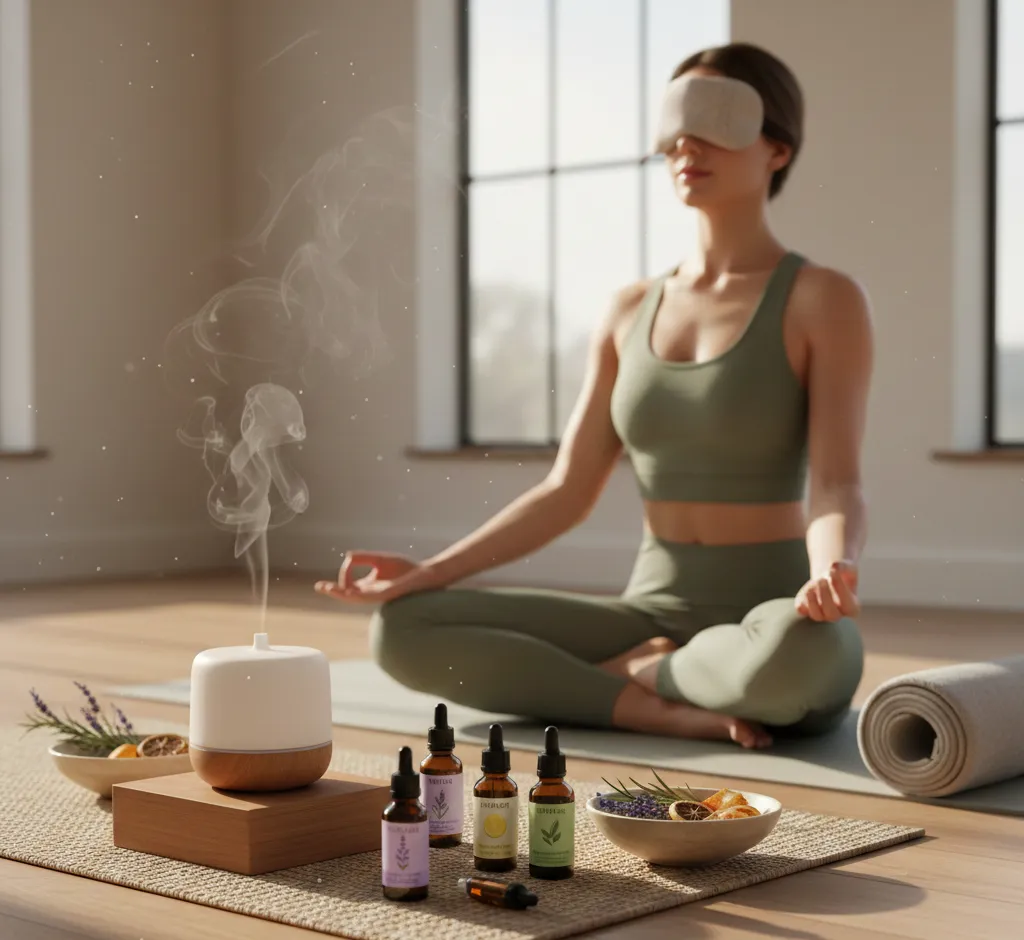
Essential oils and yoga share a common goal: to harmonize the mind, body, and spirit. When used thoughtfully, aromatherapy can deepen relaxation, sharpen focus, and transform a regular yoga session into a rich sensory ritual. This guide explains how to integrate essential oils into yoga practice safely, effectively, and in alignment with modern wellness and SEO-friendly best practices for readers seeking trustworthy information.
What Are Essential Oils and Why Use Them in Yoga?
Essential oils are highly concentrated plant extracts obtained from flowers, leaves, bark, seeds, and roots. Each oil carries a unique aromatic profile and a specific set of properties that can influence mood, energy levels, and perceived stress. In the context of yoga, essential oils can:
- Enhance mental focus during meditation and pranayama.
- Support relaxation in restorative or yin yoga sessions.
- Boost energy and motivation for dynamic practices like vinyasa or Ashtanga.
- Anchor intention through scent-associated rituals.
- Create a sacred atmosphere that signals to the nervous system it is time to slow down.
Because smell links directly to the limbic system—the part of the brain involved in emotion and memory—aromas can quickly shift state of mind. Using essential oils in yoga can therefore reinforce the mental and emotional benefits of the practice.
Key Benefits of Essential Oils in Yoga Practice
1. Deepening Relaxation and Stress Relief
Many people turn to yoga to reduce stress and calm an overactive mind. Relaxing essential oils help signal safety and rest to the body, making it easier to release tension.
- Lavender: Widely used to promote calm, support sleep, and ease anxious thoughts.
- Roman chamomile: Gentle and soothing, ideal for sensitive individuals.
- Cedarwood and sandalwood: Grounding base notes that support a sense of stability and presence.
Incorporating these scents into savasana or restorative poses can deepen the sense of surrender and help the nervous system shift into a parasympathetic, rest-and-digest state.
2. Enhancing Focus and Mental Clarity
For meditation and concentration-heavy practices, invigorating oils can reduce mental fog and boost alertness without overstimulation.
- Peppermint: Refreshing and clarifying, often used to increase alertness.
- Rosemary: Traditionally associated with memory and mental clarity.
- Lemon or other citrus oils: Bright and uplifting, helpful for clearing mental clutter.
Using these aromas at the start of practice can set a clear, focused tone, especially for pranayama, yin yoga, or seated meditation sessions.
3. Supporting Emotional Balance
Yoga often stirs emotional release. Essential oils with emotionally supportive properties can help create a safe container for this process.
- Frankincense: Centering, meditative, often used in spiritual traditions.
- Geranium: Balancing and comforting, sometimes used for mood swings.
- Ylang ylang: Rich, floral, and often chosen to support self-love and relaxation.
These aromas can pair beautifully with heart-opening poses, gentle backbends, or reflective journaling after a yoga sequence.
4. Energizing Dynamic Practices
For vigorous sequences such as power yoga, vinyasa flow, or morning sun salutations, stimulating oils provide a natural boost.
- Sweet orange, grapefruit, or lime: Bright, joyful scents that can improve mood and motivation.
- Eucalyptus: Cooling and clearing, often used to open the breath.
- Ginger: Warming and energizing, supportive of feeling strong and grounded.
An energizing diffuser blend before class can help practitioners feel awake and engaged, especially in early morning sessions.
How to Use Essential Oils Safely in Yoga
Essential oils are powerful. Respectful and informed use is crucial, particularly in shared yoga spaces. Always start with low amounts and consider each student’s individual sensitivities.
Basic Safety Guidelines
- Never apply undiluted oils directly to the skin. Always dilute in a carrier oil such as jojoba, sweet almond, or fractionated coconut oil.
- Conduct a patch test with new oils to check for irritation or allergies.
- Keep oils away from eyes, inner ears, and mucous membranes.
- Use extra caution during pregnancy, with children, and with people who have asthma or epilepsy. When in doubt, consult a healthcare professional.
- Ensure proper ventilation when diffusing in a yoga studio or small room.
Recommended Dilution Ratios
For topical use before or after yoga, gentle dilutions are usually sufficient:
- 1% dilution: About 1 drop essential oil per 5 ml carrier oil (suitable for sensitive skin, elderly, pregnancy).
- 2–3% dilution: About 2–3 drops per 5 ml carrier oil (common for general adult use on small areas).
More is not necessarily better. In many cases, the subtle presence of aroma offers all the benefits needed during practice.
Practical Ways to Integrate Essential Oils into Yoga
There are many ways to bring aromatherapy into yoga, from diffusers to mat sprays. Choose methods that match the intention of your practice and respect the comfort of everyone present.
1. Diffusing Essential Oils
Using an ultrasonic diffuser is one of the easiest and most hygienic methods, especially in group classes.
- Add water to the diffuser according to its instructions.
- Add 3–6 drops of essential oil or blend.
- Start the diffuser 10–15 minutes before class to gently scent the space.
For group settings, avoid overly strong or polarizing scents. Choose calming, widely tolerated oils such as lavender, sweet orange, or a soft wood like cedarwood.
2. Creating Yoga Mat Sprays
Mat sprays refresh surfaces and add subtle aroma close to the body. They can also support cleanliness when formulated appropriately.
- Fill a small spray bottle with distilled water.
- Add a small amount of witch hazel or alcohol to help disperse oils.
- Add 10–15 drops of essential oil per 100 ml total liquid.
- Shake well before each use, then lightly mist the mat and allow to dry.
Popular mat spray blends include lavender and tea tree (for a fresh, clean scent) or lemon and eucalyptus for a bright, invigorating aroma.
3. Personal Aromatherapy Roll-Ons
Roll-ons allow individuals to personalize their aromatic experience without affecting the entire room.
- Use a 10 ml roller bottle filled with carrier oil.
- Add 5–8 drops of essential oil or blend (for about a 2–3% dilution).
- Apply to pulse points, the chest area, or the soles of the feet before or after yoga.
This method works particularly well for home practice or for teachers who want to offer optional, individual support without scenting the whole studio.
4. Scented Towels and Eye Pillows
For restorative yoga and savasana, lightly scented props can enhance comfort and relaxation.
- Place 1–2 drops of essential oil on a cotton pad.
- Insert the pad into a pocket of an eye pillow or place near, but not directly on, the face.
- Alternatively, store clean towels with a cotton pad scented with calming oils so they carry a gentle aroma.
Always obtain consent before placing any scented item near a student’s face or body, and keep scents subtle.
Best Essential Oils for Different Types of Yoga
Matching essential oils to specific yoga styles helps align aromatherapy with the desired energetic quality of the practice.
Restorative and Yin Yoga
These slow, introspective practices benefit from soothing, grounding scents.
- Lavender: Ideal for deep relaxation and sleep support.
- Cedarwood: Earthy, grounding, and comforting.
- Roman chamomile: Gentle and calming, perfect for sensitive nervous systems.
- Sandalwood: Meditative, often used for spiritual focus.
Hatha and Gentle Flow
Balanced, moderate-paced classes pair well with soft, uplifting oils.
- Sweet orange: Cheerful and balancing, suitable for most people.
- Bergamot (bergapten-free if used topically): Uplifting yet calming.
- Lavender and geranium blend: Relaxing and mood-balancing.
Vinyasa, Ashtanga, and Power Yoga
Dynamic and heating practices match well with invigorating aromas that support breath and stamina.
- Peppermint: Cooling and energizing, supports focus.
- Eucalyptus: Opens the breath, particularly in standing and balancing sequences.
- Lemon or grapefruit: Light, uplifting, and motivating.
Meditation and Pranayama
For breathwork and seated meditation, select oils that encourage stillness and presence.
- Frankincense: Deeply centering, often associated with spiritual practice.
- Myrrh: Grounding and reflective, often used in combination with frankincense.
- Sandalwood or cedarwood: Soft wood notes that support a sense of rootedness.
Sample Essential Oil Blends for Yoga
The following simple blends can be used in diffusers, mat sprays, or roll-ons, adjusting drop counts to maintain safe dilutions.
Calming Evening Yoga Blend
- 3 drops lavender
- 2 drops cedarwood
- 1 drop Roman chamomile
This blend works well for restorative classes, gentle evening flows, or pre-sleep yoga routines.
Morning Energy Flow Blend
- 3 drops sweet orange
- 2 drops peppermint
- 1 drop ginger
Use this blend to energize morning sun salutations or dynamic vinyasa sessions.
Grounded Meditation Blend
- 2 drops frankincense
- 2 drops sandalwood
- 1 drop bergamot
This combination supports contemplation, inner stillness, and extended seated meditation.
Special Considerations for Yoga Teachers
Yoga teachers using essential oils in a studio have additional responsibilities beyond personal preference. Thoughtful use can enhance the experience, while careless application may cause discomfort or health issues.
Ask for Consent and Respect Sensitivities
- Inform students in advance if essential oils will be used in class.
- Offer scent-free options or designate fragrance-free classes for those with sensitivities.
- Always ask permission before applying oils topically during hands-on adjustments or savasana.
Some students may have allergies, migraines triggered by scents, or respiratory conditions. Consent-based aromatherapy fosters trust and inclusivity.
Keep the Environment Balanced
- Use low to moderate amounts of essential oils to avoid overpowering the room.
- Choose neutral, widely tolerated oils for group classes.
- Ensure good air circulation and avoid continuous diffusion for very long periods.
Subtlety is often more effective than strong scent, especially when students are breathing deeply for extended periods.
Integrating Essential Oils into a Personal Yoga Ritual
At home, essential oils can help create a consistent, nourishing yoga ritual that signals to the body and mind that it is time for self-care.
Step-by-Step Aromatic Ritual
- Set an intention: Decide whether your practice will focus on relaxation, energy, or emotional balance.
- Choose your oil: Pick a single essential oil or blend that aligns with your intention.
- Prepare the space: Diffuse the oil or spray your mat lightly before beginning.
- Begin with breath: Sit quietly for a few minutes, noticing the scent and connecting it with your intention.
- Move mindfully: Allow the aroma to serve as a sensory anchor, bringing you back when your mind wanders.
- Close with gratitude: At the end of practice, take a final deep breath, linking the scent with feelings of calm and gratitude.
Over time, the brain will associate the chosen aroma with the positive state created during yoga, making it easier to re-enter that state simply by smelling the scent.
Choosing High-Quality Essential Oils
Quality matters when essential oils are used for wellness, especially in a mindful practice like yoga.
- Look for botanical names on labels to ensure you are getting the intended species.
- Choose pure oils rather than synthetic fragrances or blends with undisclosed additives.
- Buy from reputable suppliers that provide information about sourcing and testing.
- Store oils properly in dark glass bottles away from heat and sunlight to preserve potency.
While certifications and marketing terms can sometimes be confusing, clear, transparent labeling and ethical sourcing are good indicators of quality-focused brands.
Common Mistakes to Avoid
To keep aromatherapy in yoga safe and supportive, avoid these frequent pitfalls:
- Using too much oil: Overpowering scents can cause headaches, nausea, or irritation.
- Applying oils neat (undiluted): This can lead to burns or allergic reactions.
- Ignoring contraindications: Some oils are not appropriate for pregnancy, certain medications, or specific health conditions.
- Mixing too many oils: Complex blends can be confusing and overwhelming; start simple.
- Forgetting consent: Applying oils to students without permission can breach trust and comfort.
Bringing It All Together
Essential oils in yoga practice offer a powerful way to deepen presence, enhance emotional balance, and support relaxation or energy as needed. When chosen carefully and used with respect, aromatherapy can transform yoga from a purely physical routine into a full sensory ritual that honors body, mind, and spirit.
Whether you are a dedicated home practitioner or a yoga teacher serving many students, start with gentle, simple applications and build from there. Let the breath, the body, and the subtle power of scent work together to create a yoga practice that truly nourishes every level of your being.