How to Remove Bugs from Broccoli: A Complete Home Guide
Learn how to remove bugs from broccoli with simple, natural methods. Discover step-by-step soaking, rinsing, and blanching techniques to clean broccoli safely at home.
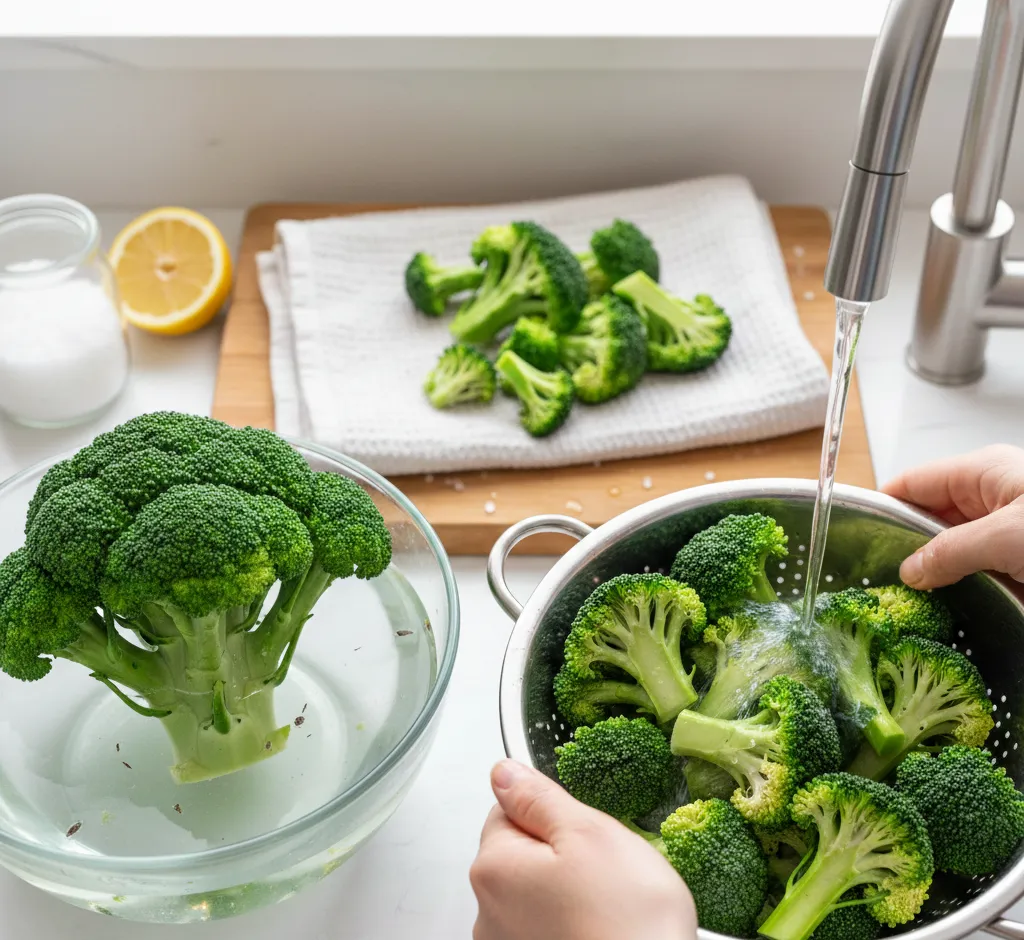
Broccoli is one of the healthiest vegetables you can add to your meals, but its tightly packed florets and leafy crevices make it a perfect hiding place for tiny insects. Aphids, cabbage worms, and other small bugs can cling to the heads so well that a quick rinse under the tap is rarely enough. Learning how to remove bugs from broccoli properly keeps your food safe, improves texture, and makes the vegetable much more appetizing.
This guide explains why bugs are attracted to broccoli, how to inspect and clean it step by step, and which natural soaking solutions work best. You will also learn how to store and cook broccoli to minimize bug problems in the future, with practical tips for both store-bought and homegrown produce.
Why Broccoli Often Contains Bugs
Broccoli belongs to the brassica family, along with cabbage, kale, and cauliflower. These plants naturally attract pests in the garden, and broccoli’s structure gives insects plenty of places to hide.
- Tightly packed florets: The small buds form dense clusters where tiny insects can cling and remain hidden.
- Natural crevices and folds: The branching stems and underside of florets create nooks where bugs and their eggs can lodge.
- Organic and homegrown produce: Broccoli that is not heavily sprayed with pesticides is more likely to have a few insects still attached, even after field washing.
Finding bugs on broccoli does not mean the vegetable is unsafe or low quality. It usually means it was grown with fewer chemicals, handled gently, and not overprocessed. With proper cleaning, you can remove these pests effectively at home.
Common Bugs You May Find on Broccoli
Knowing what you are looking for makes inspection faster and easier. These are some of the most common pests found on broccoli heads.
Aphids
Aphids are soft-bodied insects that often appear in clusters. They are usually green, gray, or black and can be very small. On broccoli, they tend to hide:
- Deep inside the florets
- Along the stems and leaf veins
- Under leaves attached to the head
Cabbage worms and loopers
Cabbage worms and green loopers are small caterpillars that feed on brassica plants. They may appear as:
- Small green worms curled around stems
- Chewed or ragged areas on florets or leaves
- Dark droppings near feeding spots
Other tiny insects
Broccoli can also harbor small beetles, thrips, or other garden insects. These may appear as tiny specks or dots that move when disturbed. Even if you cannot identify each insect, the same cleaning techniques will remove them.
How to Inspect Broccoli for Bugs
Before washing, always inspect the broccoli carefully. This simple step helps you spot heavily infested areas and decide how aggressively you need to clean.
-
Check the outer surface.
Hold the broccoli head under bright light. Look closely at the beads (buds) on top and around the sides. Gently spread the florets to reveal any movement or small insects between them.
-
Examine the underside.
Flip the head over. Inspect where the florets connect to the main stem and along any attached leaves. Bugs often hide here because it is dark and protected.
-
Look for damage and residue.
Chewed areas, small black specks (droppings), or sticky residue can signal insect activity, even if you do not see live bugs right away.
-
Decide whether to trim.
If a section is heavily infested, consider trimming it off before soaking. This can save time and ensure cleaner florets.
Best Methods to Remove Bugs from Broccoli
There is no single perfect method for every situation. Instead, combine a couple of gentle, natural techniques for the most effective, bug-free broccoli. Below are the most reliable approaches for home kitchens.
Method 1: Saltwater Soak
Soaking broccoli in lightly salted water is one of the simplest and most effective ways to draw bugs out of the florets.
What you need
- 1 large bowl or clean sink
- Cool or lukewarm water
- Salt (about 1–2 teaspoons per liter of water)
Step-by-step instructions
-
Prepare the broccoli.
Trim off any tough stem ends and remove loose or damaged leaves. You can leave the head whole or cut it into large florets for deeper cleaning.
-
Fill the bowl with salted water.
Dissolve the salt in the water until it disperses evenly. The solution should taste mildly salty, not overwhelming.
-
Submerge the broccoli.
Place the broccoli in the bowl, florets facing down. Gently press it under the surface to release trapped air and allow water into the crevices.
-
Soak for 10–20 minutes.
Let the broccoli sit undisturbed. The saltwater encourages insects to detach and float or sink into the water.
-
Agitate gently.
After soaking, swirl the broccoli around with your hands. Loosen remaining insects by lightly rubbing the florets under the water.
-
Remove and rinse.
Lift the broccoli out of the bowl, leaving the dirty water behind. Rinse thoroughly under cool running water to wash away salt and any remaining bugs.
Inspect the water after removing the broccoli. You will often see small bugs at the bottom or floating on the surface, which confirms the method is working.
Method 2: Vinegar or Lemon Soak
A mild acidic soak using white vinegar or lemon juice can loosen insects and help remove dirt and residues.
What you need
- 1 large bowl
- Cool water
- White vinegar or lemon juice
Step-by-step instructions
-
Prepare the solution.
Mix approximately 1 part vinegar or lemon juice with 3 parts water. For example, use 1 cup of vinegar in 3 cups of water.
-
Submerge the broccoli.
Place trimmed broccoli in the bowl and press it down so all florets are covered by the solution.
-
Soak for 5–10 minutes.
Do not soak too long, as vinegar can begin to change the flavor and texture if left for an extended period.
-
Rinse thoroughly.
After soaking, rinse the broccoli under plenty of cool running water to remove the acidic taste and any dislodged insects.
This method works especially well in combination with saltwater soaking or a strong final rinse.
Method 3: Running Water and Manual Cleaning
A careful rinse under running water works best when combined with a prior soak, but it can also be used alone for less infested broccoli.
-
Use cool, not hot, water.
Cool water helps maintain texture and keeps florets firm as you clean them.
-
Hold the broccoli upside down.
Let the water flow directly into the florets. Gently spread them apart with your fingers to help water reach hidden areas.
-
Rub and inspect.
Use your fingers to rub along the top and sides of the broccoli, paying attention to any areas where you previously noticed bugs.
-
Repeat if necessary.
If you still see insects, repeat a quick soak and rinse until the florets look clean.
Method 4: Blanching to Remove Bugs
Blanching broccoli in boiling water for a short time not only prepares it for freezing or further cooking but can also help release bugs that are clinging tightly.
What you need
- Large pot of boiling water
- Bowl of ice water
- Colander
Step-by-step instructions
-
Pre-rinse the broccoli.
Give the broccoli a quick rinse to remove loose dirt and debris.
-
Boil for 1–2 minutes.
Drop the broccoli florets into boiling water. Boil briefly; this is enough to loosen insects and brighten the color without overcooking.
-
Transfer to ice water.
Immediately move the broccoli into ice water to stop the cooking process and maintain a crisp texture.
-
Drain and inspect.
Drain in a colander, then inspect the florets. Rinse again under cool water if you notice any remaining bugs.
Blanching is especially helpful if you plan to freeze broccoli later or use it in stir-fries and casseroles.
Step-by-Step: A Practical Cleaning Routine
For most home kitchens, a simple routine that combines soaking and rinsing works best. Here is an easy, repeatable process you can follow every time you bring broccoli home.
-
Trim and cut.
Remove tough stem ends and any yellowed or damaged leaves. Cut the head into medium florets to expose more surface area.
-
Saltwater soak (10–15 minutes).
Soak the florets in lightly salted water, florets down. This step dislodges most insects and dirt lodged in crevices.
-
Swirl and check.
Gently swirl the florets in the bowl, then lift them out, leaving dirty water behind. Look at the bottom of the bowl to see what came off.
-
Optional quick vinegar soak (5 minutes).
If the broccoli was heavily infested or grown organically, give it a short soak in a mild vinegar solution for extra cleaning power.
-
Final rinse under running water.
Rinse each floret under cool running water while gently rubbing and separating the buds with your fingers.
-
Drain and dry.
Place the cleaned broccoli in a colander or on a clean towel to drain. Drying helps prevent sogginess when you cook.
How to Tell If Your Broccoli Is Clean
After soaking and rinsing, a quick visual check helps confirm that your broccoli is ready to cook and serve.
- No visible insects: Inspect several florets closely, especially near the base and in tight clusters.
- Clear soaking water: When you repeat the soaking process, the water should have fewer or no floating insects or residue.
- Fresh appearance: Clean broccoli looks bright green and firm, without slimy spots or an unpleasant odor.
If you still spot bugs after cleaning, repeat a short soak and rinse or trim away any stubborn areas. A little extra effort pays off in peace of mind.
Safe Handling and Storage After Cleaning
Once your broccoli is bug-free, proper storage keeps it fresh and safe until you are ready to cook it.
Drying before storage
Storing wet broccoli can encourage mold and shorten its shelf life. After washing:
- Shake off excess water over the sink.
- Spread the florets out on a clean kitchen towel or paper towels.
- Pat gently to remove surface moisture.
Refrigerating cleaned broccoli
For short-term storage (2–4 days):
- Place the dry broccoli in an open or lightly vented container.
- Line the container with a paper towel to absorb extra moisture.
- Store it in the crisper drawer of your refrigerator.
Freezing broccoli after blanching
If you want to keep broccoli for longer, freezing is a great option.
- Clean the broccoli thoroughly and blanch it for 1–2 minutes.
- Cool it in ice water, drain well, and pat dry.
- Spread the florets on a tray and freeze until solid, then move them to a freezer-safe bag or container.
Blanching before freezing helps preserve color, texture, and nutrients while ensuring the broccoli remains bug-free.
Tips for Gardeners: Preventing Bugs on Homegrown Broccoli
If you grow broccoli yourself, you can reduce the number of insects that reach your kitchen by using preventative methods in the garden.
- Use row covers: Lightweight garden fabric over your broccoli plants keeps moths and other insects from laying eggs on the leaves and heads.
- Encourage beneficial insects: Ladybugs, lacewings, and other predators help control aphid populations naturally.
- Inspect plants regularly: Check underside of leaves and developing heads for eggs and caterpillars. Remove them by hand early to prevent large infestations.
- Rotate crops: Avoid planting broccoli in the same spot year after year to reduce pest build-up in the soil.
Even with the best prevention, some insects may still appear on homegrown broccoli. The cleaning methods described above will still remove them effectively.
Frequently Asked Questions About Bugs in Broccoli
Are bugs on broccoli harmful to eat?
Most common insects found on broccoli are not toxic to humans, but eating them is unappetizing and can be off-putting. Thorough cleaning removes bugs and their droppings, making the vegetable safer and more enjoyable to eat.
Is organic broccoli more likely to have bugs?
Yes, organic and low-pesticide broccoli often has a higher chance of harboring small insects. This does not mean it is dirty or unsafe; it simply requires more careful washing and soaking before cooking.
Can cooking alone remove or kill bugs?
High heat will kill insects, but it will not remove their bodies or droppings from the florets. Cleaning before cooking is the best way to ensure that broccoli is both safe and visually appealing.
How long should broccoli soak to remove bugs?
In most cases, a 10–20 minute saltwater soak followed by a thorough rinse is enough. For heavily infested broccoli, a second shorter soak or a quick vinegar bath may be helpful.
Should broccoli be washed right after buying?
It is usually best to wash broccoli shortly before cooking. However, if you prefer to clean it in advance, dry it well and store it properly in the refrigerator to maintain freshness.
Key Takeaways
Removing bugs from broccoli is not difficult once you follow a consistent routine. With a combination of soaking, rinsing, and careful inspection, you can enjoy clean, fresh broccoli at home every time.
- Inspect broccoli under good light before washing.
- Use a saltwater soak to encourage insects to detach.
- Try a mild vinegar or lemon soak for extra cleaning.
- Rinse thoroughly under cool running water while separating florets.
- Dry, store, and cook broccoli properly to maintain quality.
By making these steps part of your regular kitchen routine, you can confidently prepare bug-free broccoli for salads, stir-fries, soups, and any other dish you love.