Is Drinking Eight Glasses of Water a Day Really Necessary?
Is drinking eight glasses of water a day really necessary? Discover what science says about daily water intake, how much you truly need, and practical tips for staying hydrated safely.
“Drink eight glasses of water a day” is one of the most popular health tips in the world. You see it in magazines, hear it from friends, and even find it echoed in fitness apps. But is this rule actually backed by science, or is it more myth than medicine?
Hydration is essential for life, but how much water each person needs can vary dramatically. This article explores where the eight-glass rule comes from, what modern science says about daily water intake, and how to know how much water your body really needs.
Where Did the Eight-Glass Rule Come From?
The famous “8×8 rule” – eight 8-ounce glasses of water per day, or about 2 liters – does not actually come from a single, clear scientific study. Instead, it likely evolved from older general guidelines on fluid intake that were later simplified for the public.
One widely cited source is a 1945 recommendation from the U.S. Food and Nutrition Board suggesting that adults need about 2.5 liters of water per day. However, an important part of that statement is often ignored: the board noted that most of this water could come from foods and other beverages, not just plain water.
Over time, this nuanced guidance was simplified into a catchy, easy-to-remember rule: “Drink eight glasses of water a day.” While simple rules can be helpful, they can also be misleading when applied without context.
How Much Water Do You Really Need?
Modern health authorities do not insist that everyone must drink exactly eight glasses of water daily. Instead, they offer broader fluid intake ranges that account for differences in size, sex, climate, and activity level.
General daily fluid guidelines
Organizations such as the U.S. National Academies of Sciences, Engineering, and Medicine provide these approximate daily total fluid intake recommendations (from all drinks and foods):
- Adult men: about 3.7 liters of fluids per day.
- Adult women: about 2.7 liters of fluids per day.
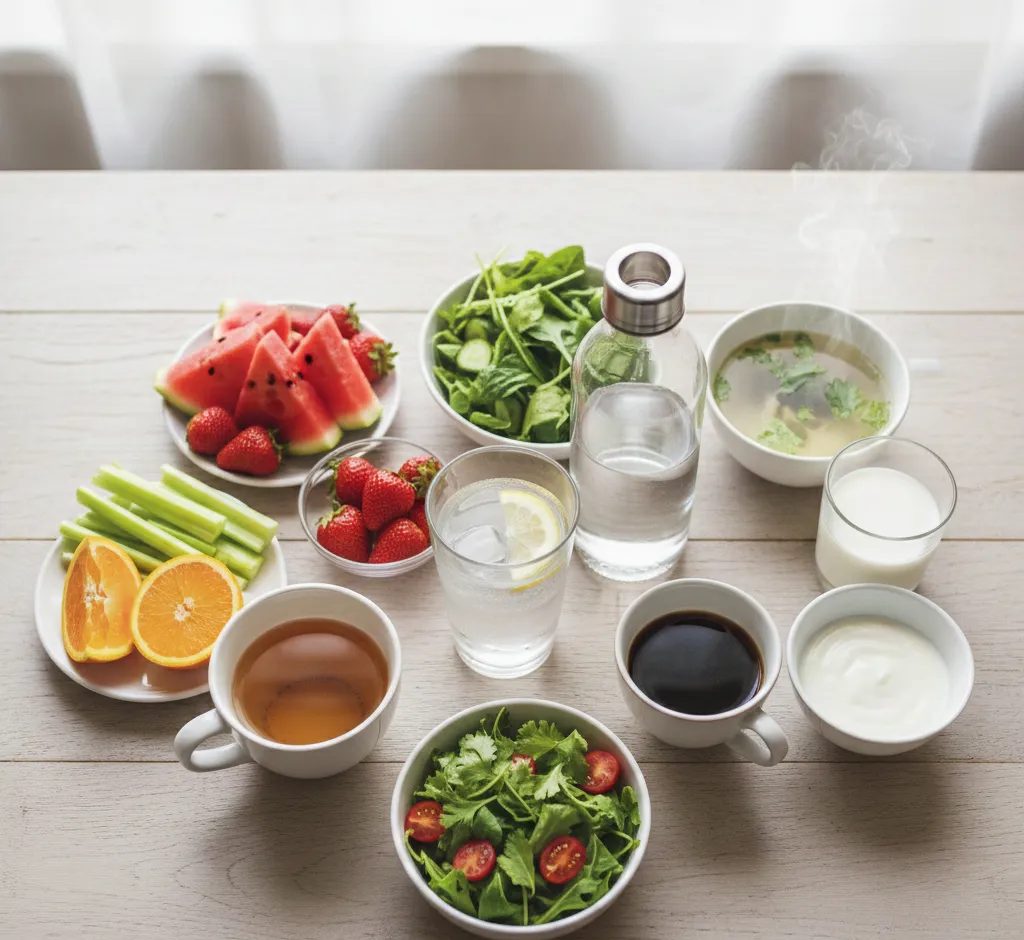
This includes water, other beverages (tea, coffee, juice, milk), and the water naturally present in foods like fruits, vegetables, soups, and yogurt. In many diets, food can provide 20–30% or more of daily fluid intake.
So, while eight glasses of water (roughly 2 liters) might fit within these ranges for some people, it is not a one-size-fits-all requirement.
Key factors that change your water needs
Your ideal daily water intake depends on multiple factors. Some of the most important include:
- Body size and composition: Larger people and those with more muscle mass need more fluids than smaller individuals.
- Activity level: Exercise and physical labor increase sweat loss, which raises your fluid needs.
- Climate and environment: Hot, humid, or high-altitude environments lead to greater fluid loss through sweat and breathing.
- Health status: Fever, vomiting, diarrhea, kidney problems, diabetes, and some medications can significantly alter hydration needs.
- Diet: High-protein, high-fiber, or high-sodium diets, as well as low-carb or ketogenic diets, can influence how much water your body requires.
- Pregnancy and breastfeeding: These increase fluid needs because the body is supporting another life and producing breast milk.
Because these factors vary from person to person and even day to day, a rigid rule like eight glasses cannot perfectly match everyone’s needs.
Does Everyone Need Exactly Eight Glasses?
For many healthy adults, drinking eight glasses of water per day is safe and reasonably close to their needs. However, it can be either too much or too little depending on personal circumstances.
When eight glasses might be too little
The eight-glass guideline may underestimate needs in situations such as:
- Intense exercise: Long workouts or training in hot weather can cause significant sweat loss.
- Hot or humid climates: Living or working in hot conditions increases fluid loss even without strenuous activity.
- Illness with fluid loss: Fever, vomiting, or diarrhea can rapidly dehydrate the body.
- High-sodium diets: Eating a lot of salty foods can increase thirst and fluid requirements.
In these cases, strictly limiting yourself to eight glasses may not be enough to stay properly hydrated.
When eight glasses might be more than you need
On the other hand, eight glasses can be more than necessary for some people, especially if they:
- Eat a diet rich in water-heavy foods like fruits, vegetables, and soups.
- Spend most of their time in cool, air-conditioned environments.
- Have a small body size or lower caloric needs.
- Drink other fluids, such as tea, coffee, or milk, throughout the day.
For these individuals, forcing down extra water just to hit a number may not provide additional health benefits and can even become uncomfortable or disruptive to daily life.
Can You Drink Too Much Water?
While mild overhydration usually results only in more frequent trips to the bathroom, extreme overconsumption of water in a short period can lead to a serious condition called hyponatremia, or water intoxication.
Hyponatremia occurs when excessive water dilutes sodium levels in the blood, causing an electrolyte imbalance. This can make cells swell, including those in the brain.
Signs and risks of overhydration
Symptoms of severe hyponatremia can include:
- Headache and nausea.
- Confusion or disorientation.
- Muscle weakness or cramps.
- Seizures in extreme cases.
This condition is relatively rare and usually occurs in very specific circumstances, such as endurance sports events where athletes drink large amounts of water without adequate electrolytes, or in some medical conditions.
For most healthy adults, listening to thirst and spreading water intake throughout the day prevents both dehydration and dangerous overhydration.
How to Tell If You Are Hydrated
Instead of counting every glass of water, a more practical approach is to monitor your body’s signs. The human body is quite good at signaling when it needs fluids.
Simple indicators of good hydration
You are likely well-hydrated if:
- Urine color is pale yellow: Light straw or pale yellow urine usually signals adequate hydration. Dark yellow or amber often means you need more fluids.
- You rarely feel intense thirst: Mild thirst is normal, but frequent, strong thirst may point to dehydration.
- Your energy and concentration are stable: Dehydration can cause fatigue, headaches, and difficulty focusing.
- Skin and mouth feel normal: Very dry skin, cracked lips, or a constantly dry mouth may suggest you need more fluids.
These signals are not perfect in every situation, but they provide useful everyday guidance.
When to be especially careful
Certain groups should pay extra attention to hydration, including:
- Older adults: The thirst sensation can decrease with age, so dehydration may develop more easily.
- Young children and infants: They can lose fluids quickly during illness and may not express thirst clearly.
- People with chronic health conditions: Those with kidney disease, heart failure, diabetes, or on specific medications should follow individualized medical advice on fluid intake.
In these cases, healthcare providers may recommend more precise fluid targets or specific monitoring strategies.
What Counts Toward Your Daily Water Intake?
Another common misconception is that only plain water “counts” toward hydration. In reality, many beverages and foods contribute meaningfully to daily fluid intake.
Beverages that contribute to hydration
The following all provide water to the body:
- Plain water: Still or sparkling, it is calorie-free and an excellent primary source of hydration.
- Herbal and regular tea: These are mostly water; even caffeinated teas contribute to hydration for most people.
- Coffee: In moderate amounts, coffee also contributes fluids, although excessive intake may have a mild diuretic effect in some individuals.
- Milk and plant-based milks: These provide water along with nutrients like protein and calcium.
- Soups and broths: Often overlooked, these can add a significant amount of fluid, especially in colder seasons.
While sugary drinks like sodas and juices also contain water, they should be consumed in moderation due to their sugar content and potential impact on weight and metabolic health.
Food as a hidden water source
Many foods are surprisingly rich in water. Examples include:
- Cucumbers, lettuce, celery, and radishes.
- Watermelon, strawberries, oranges, and grapes.
- Tomatoes, zucchini, peppers, and broccoli.
- Yogurt, cottage cheese, and certain cooked grains.
If your diet is full of these water-rich foods, you may naturally meet a large portion of your hydration needs without forcing yourself to drink a specific number of glasses.
Practical Hydration Tips for Everyday Life
Instead of obsessing over a strict eight-glass quota, a smarter strategy is to build flexible, sustainable hydration habits. These can be adjusted based on your lifestyle and environment.
Daily habits that support healthy hydration
- Start your day with water: Drinking a glass of water in the morning can help replace fluids lost overnight.
- Keep water nearby: Having a bottle on your desk or in your bag encourages regular sipping without thinking too much about it.
- Drink with meals and snacks: A glass of water with each meal is an easy way to structure your intake.
- Adjust for activity: Drink extra water before, during, and after exercise, especially in warm conditions.
- Use thirst and urine color as guides: Let your body’s signals help you fine-tune how much you drink.
These habits support natural hydration rhythms rather than forcing an arbitrary target.
When special strategies may be needed
Some people may benefit from more structured hydration strategies, such as:
- Athletes and highly active individuals: Weighing before and after workouts to estimate sweat loss and planning fluid and electrolyte replacement accordingly.
- People in very hot workplaces: Scheduling regular water breaks to prevent heat-related illnesses.
- Individuals with certain medical conditions: Following tailored fluid restrictions or recommendations provided by healthcare professionals.
In these situations, professional guidance helps balance the risks of both underhydration and overhydration.
Common Myths About Water Intake
The eight-glass rule is not the only myth about hydration. Several other beliefs are widespread but not fully supported by evidence.
Myth 1: If you feel thirsty, you are already dangerously dehydrated
Thirst is a natural and effective signal that the body needs more fluids. Mild thirst does not mean you are dangerously dehydrated; it is simply your body’s way of prompting you to drink. Serious dehydration typically comes with additional symptoms such as dizziness, rapid heartbeat, confusion, or very dark urine.
Myth 2: Caffeinated drinks do not count toward hydration
Caffeine has a mild diuretic effect in some people, but moderate intake of coffee or tea still provides a net gain in fluids. Unless consumed in very large amounts, these beverages contribute to overall hydration for most healthy adults.
Myth 3: More water always means better health
Drinking enough water is important, but endlessly increasing your intake will not automatically improve health markers like skin quality, weight loss, or detoxification. The body already has highly effective systems for filtering and eliminating waste, primarily through the kidneys and liver. Adequate hydration supports these systems; excessive water does not necessarily make them work better.
So, Is Drinking Eight Glasses of Water Necessary?
The short answer is: not necessarily. The eight-glass rule is a simple guideline that can work reasonably well for some people, but it is not a universal requirement backed by strong scientific evidence.
What truly matters is that you:
- Drink enough fluids to prevent dehydration.
- Pay attention to your body’s signals, such as thirst and urine color.
- Adjust your intake based on activity, climate, diet, and health status.
For many healthy adults, letting thirst guide drinking habits, while keeping an eye on lifestyle factors, is a reliable and flexible approach to hydration.
When to seek professional advice
If you have medical conditions that affect fluid balance, such as kidney disease, heart failure, or certain hormonal disorders, or if you are unsure how much water is appropriate for you, it is wise to consult a healthcare professional. They can provide personalized advice that takes into account your medical history, medications, and daily routine.
In the end, staying well-hydrated does not require chasing a magical number. Rather than aiming rigidly for eight glasses a day, focus on building sensible habits, tuning into your body’s cues, and choosing water and other healthy beverages regularly. That approach is far more sustainable—and more aligned with what the science actually supports.