Quick Method for Washing Cherry Tomatoes: A Step‑by‑Step Guide for Clean, Safe Produce
Learn a quick, step-by-step method for washing cherry tomatoes safely and efficiently. Discover best practices, common mistakes to avoid, and storage tips for fresh, clean tomatoes.
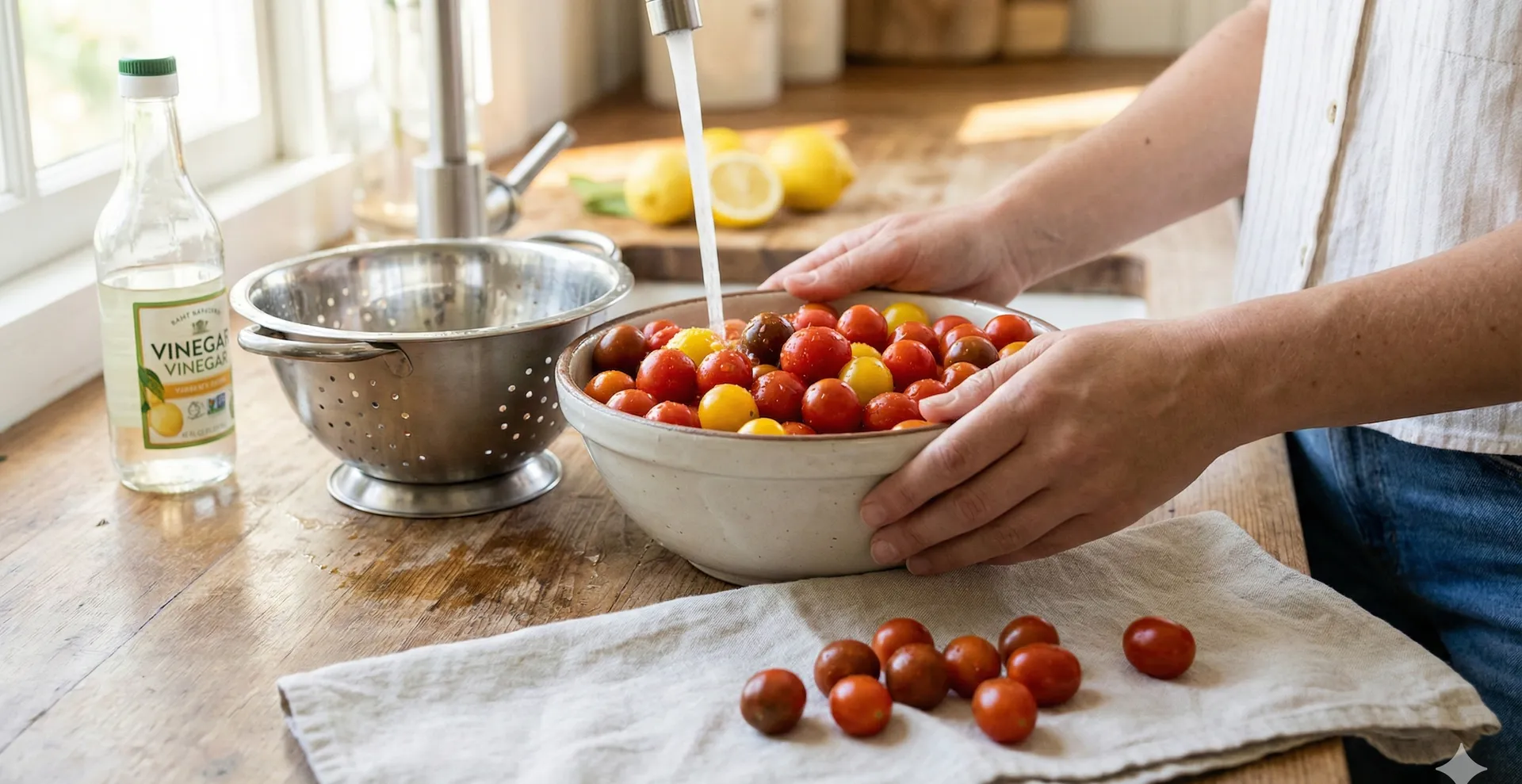
Cherry tomatoes are a staple in salads, snacks, and quick weeknight dinners. Their sweet flavor and convenient bite-size shape make them a favorite in many kitchens. However, because they are often eaten raw, knowing a quick and effective method for washing cherry tomatoes is essential for both food safety and great taste.
This guide explains a simple, fast, and highly effective method for washing cherry tomatoes at home. It also covers why proper washing matters, which tools you need, and how to avoid damaging the delicate skin of your tomatoes while still removing dirt, bacteria, and pesticide residues.
Why You Should Always Wash Cherry Tomatoes
Even if your cherry tomatoes look spotless, they may carry invisible contaminants. From the farm to the grocery store or market, tomatoes can come into contact with soil, dust, bacteria, and chemical residues. Proper washing minimizes these risks and helps keep you and your family safe.
Main reasons to wash cherry tomatoes
- Remove dirt and debris. Dust, soil, and plant particles can cling to the skin and stem area.
- Reduce bacteria load. Tomatoes may carry microorganisms from handling, transportation, and storage.
- Rinse off pesticide residues. Washing helps reduce surface residues from conventional farming.
- Improve flavor and texture. Clean tomatoes taste fresher and feel more pleasant to bite into.
- Prepare for safe raw consumption. Because cherry tomatoes are often eaten without cooking, washing is a critical food safety step.
While washing will not sterilize your tomatoes completely, using a good method significantly lowers contaminants and enhances quality.
The Quick Method for Washing Cherry Tomatoes
This quick method focuses on efficiency and safety. It is designed for everyday use when you need clean cherry tomatoes in just a few minutes, without complicated equipment or harsh chemicals.
What you will need
- A large clean bowl or salad spinner bowl
- Cool running tap water
- Optional: a few drops of white vinegar or lemon juice
- A clean colander
- A clean kitchen towel or paper towels
Step-by-step quick washing method
- Sort your cherry tomatoes.
Quickly go through your cherry tomatoes and remove any that are cracked, moldy, or leaking juice. Damaged tomatoes can spread spoilage to the rest and should be discarded or used immediately if they are only slightly bruised.
- Place tomatoes in a large bowl.
Put the cherry tomatoes into a clean bowl or the bowl of a salad spinner. Make sure the bowl is large enough so the tomatoes are not packed too tightly. This helps water flow freely around them and ensures a thorough wash.
- Fill with cool water.
Cover the tomatoes completely with cool tap water. Avoid very hot water, which can damage the skin, and very cold water, which can sometimes cause splitting if the tomatoes are warm.
- Add a mild natural rinse (optional but helpful).
For extra cleaning power, add 1–2 teaspoons of white vinegar or lemon juice per liter of water. This mild acidic solution helps loosen residues and reduce surface bacteria without affecting flavor when well rinsed.
- Gently agitate the tomatoes.
Use clean hands to swirl the tomatoes around in the water for 20–30 seconds. Gently lift and rotate them so that all surfaces come into contact with the water. This motion dislodges dirt and particles hiding around the stem area.
- Let them soak briefly.
Allow the tomatoes to sit in the water for 1–2 minutes. This brief soak gives time for debris to loosen and sink to the bottom of the bowl. For very dirty tomatoes, extend to 3–4 minutes, but avoid prolonged soaking to preserve texture.
- Lift, do not pour.
Instead of dumping the bowl into a colander, lift the tomatoes out with your hands or a slotted spoon. This keeps loosened dirt, which has settled at the bottom, from being poured back over the tomatoes.
- Rinse under running water.
Transfer the tomatoes to a colander and rinse thoroughly under cool running water for about 30–60 seconds. Shake the colander gently to make sure all sides are rinsed. If you used vinegar or lemon juice, this step also removes any remaining acidic taste.
- Drain well.
Let the tomatoes sit in the colander for a minute or two so excess water can drain away. This prevents watered-down flavor in salads and recipes.
- Dry carefully.
Spread the tomatoes out in a single layer on a clean kitchen towel or paper towels. Pat them gently until they are mostly dry. This helps prevent premature spoilage and keeps oils and dressings from slipping off in salads.
With these steps, your cherry tomatoes are ready to eat, cook, or store. The entire quick wash process typically takes less than 5 minutes, even for a full bowl.
Best Practices for Washing Cherry Tomatoes
Beyond the basic steps, a few small adjustments can make your washing routine even more effective and convenient.
Wash close to serving time
For optimal freshness, wash cherry tomatoes shortly before you plan to use them. Washing right before serving helps preserve their natural protective skin barrier and reduces the risk of moisture-related spoilage during storage.
Avoid harsh soaps or detergents
Never use dish soap, household cleaners, or chemical detergents on cherry tomatoes. These products are not designed for consumption and may leave residues that are difficult to rinse off completely. Clean, cool water with an optional mild vinegar or lemon solution is more than sufficient for everyday washing.
Be gentle with the skins
Cherry tomatoes have delicate skins that can split if handled roughly. When agitating or rinsing, use a light touch. Do not scrub them with stiff brushes or abrasive pads; instead, rely on swirling and running water to dislodge debris.
Consider removing stems just before washing
If your cherry tomatoes still have green stems attached, remove them just before washing. This exposes the area around the stem where dirt and bacteria may hide. However, avoid removing stems far in advance, as the opening can allow moisture and microorganisms to enter and hasten spoilage.
Using Vinegar or Lemon in the Washing Water
A simple water rinse works well for everyday use, but many home cooks prefer adding a mild natural acid to enhance cleaning. Vinegar and lemon juice are common, safe options.
Benefits of a mild acidic wash
- Helps reduce surface bacteria. A mild vinegar or lemon solution can lower microbial load on the tomato skin.
- Loosens residues. Acidic water can help release certain residues and films that plain water might not remove as easily.
- Inexpensive and easy. Vinegar and lemon juice are widely available, affordable, and simple to use.
How to mix a safe produce rinse
For a quick at-home produce rinse, add about 1–2 teaspoons of white vinegar or lemon juice per liter of water. This creates a gentle solution strong enough to aid cleaning without altering the flavor of your cherry tomatoes when properly rinsed afterward.
After soaking and agitating the tomatoes in this solution for 1–2 minutes, always rinse thoroughly under cool running water to remove any remaining vinegar or lemon taste.
Common Mistakes to Avoid When Washing Cherry Tomatoes
Even a simple task like washing cherry tomatoes can go wrong if done carelessly. Avoid these common mistakes to keep your produce safe and delicious.
1. Washing tomatoes too far in advance
Washing and then storing wet tomatoes can trap moisture on the skin, encouraging mold and spoilage. If you must wash ahead, make sure the tomatoes are completely dry before refrigerating and eat them within a few days.
2. Using very hot water
Hot water may cause the skins to crack and can change the texture of cherry tomatoes. Always use cool or slightly lukewarm water to protect their structure and flavor.
3. Skipping the final rinse
If you use a vinegar or lemon solution, do not skip the final rinse under running water. The rinse removes loosened dirt and any leftover acidity that might affect the taste of your dish.
4. Letting tomatoes soak too long
Long soaks in water can soften cherry tomatoes and potentially draw water into small cracks in the skin. A short 1–4 minute soak is enough for most purposes, followed by a good rinse and thorough drying.
5. Storing wet tomatoes in closed containers
Moisture trapped in sealed containers can quickly lead to mold. Always dry your cherry tomatoes well and, if refrigerating, place them in a breathable container or leave a small ventilation gap.
How to Store Cherry Tomatoes After Washing
Proper storage is the last step in getting the most out of your freshly washed cherry tomatoes. Handling them correctly helps maintain their flavor and shelf life.
Storing washed cherry tomatoes
- Dry thoroughly. Only store cherry tomatoes once they are completely dry on the surface.
- Use shallow containers. Avoid deep piles that can crush the tomatoes at the bottom.
- Provide ventilation. Choose containers with small air holes or leave the lid slightly ajar to prevent moisture buildup.
- Refrigerate for longer storage. If you will not use them within a day or two, refrigerate to slow down spoilage.
Keep in mind that refrigeration can slightly alter texture and flavor. For the best taste, remove cherry tomatoes from the refrigerator 20–30 minutes before eating to allow them to come closer to room temperature.
Storing unwashed cherry tomatoes
If you prefer to wash only what you need, store unwashed cherry tomatoes in a cool, dry place away from direct sunlight. A countertop or pantry spot with good airflow works well. Wash them with the quick method right before serving or cooking.
Quick Washing for Different Uses
While the core quick method stays the same, you can adjust it slightly depending on how you plan to use your cherry tomatoes.
For fresh salads and snacking
When cherry tomatoes will be eaten raw, the washing step is especially important. Be thorough with the soak, agitation, and rinse, and take extra care to dry them well so salad dressings cling nicely to the skin.
For roasting and cooking
For roasting, sautéing, or adding to hot dishes, follow the same quick washing method but focus on drying the tomatoes as completely as possible. Excess moisture can cause splattering in hot oil and may steam the tomatoes instead of allowing them to caramelize.
For meal prep and batch washing
If you like to prepare ingredients in advance, you can wash a larger batch of cherry tomatoes at once using this method. Just be sure to:
- Use a large enough bowl so tomatoes are not overcrowded.
- Refresh the water if it becomes visibly dirty.
- Dry tomatoes thoroughly before storing.
- Use washed tomatoes within 2–3 days for best quality.
FAQs About Washing Cherry Tomatoes
Do I need a special produce wash?
In most home kitchens, cool water and an optional mild vinegar or lemon solution are enough. Commercial produce washes are available, but many people find simple household ingredients more convenient and cost-effective.
Should I wash cherry tomatoes if they are labeled pre-washed?
Even if packaging claims the tomatoes are pre-washed, a quick rinse at home is a good habit. This extra step removes any contaminants picked up during handling in the store or at home.
Can I wash cherry tomatoes in advance for lunch boxes?
Yes, you can wash cherry tomatoes the night before and pack them once they are completely dry. Store them in a breathable container in the refrigerator and transfer them to lunch boxes in the morning.
Is it safe to wash cherry tomatoes with other produce?
Yes, as long as all the produce is in good condition and not visibly spoiled. However, for the most hygienic approach, wash items that will be eaten raw separately from those that will be cooked, and discard any damaged produce before washing.
Conclusion: A Simple Routine for Cleaner, Safer Cherry Tomatoes
Washing cherry tomatoes does not have to be time-consuming or complicated. With a large bowl, cool water, and a few minutes of attention, you can clean your tomatoes effectively and prepare them for salads, snacks, and cooked dishes.
By following the quick method outlined here—sorting, soaking, gently agitating, rinsing under running water, and drying carefully—you protect your health, extend the freshness of your produce, and improve the overall quality of your meals. Make this simple routine a regular part of your kitchen habits, and enjoy crisp, clean cherry tomatoes every time you reach for a handful.