Simple Guide to Cleaning Mushrooms Safely: Step-by-Step Tips for Freshness and Flavor
Discover a straightforward, expert-approved guide to cleaning mushrooms safely. Learn the best methods, why proper cleaning matters, and get tips tailored for all your favorite mushrooms—making every meal safer and tastier.
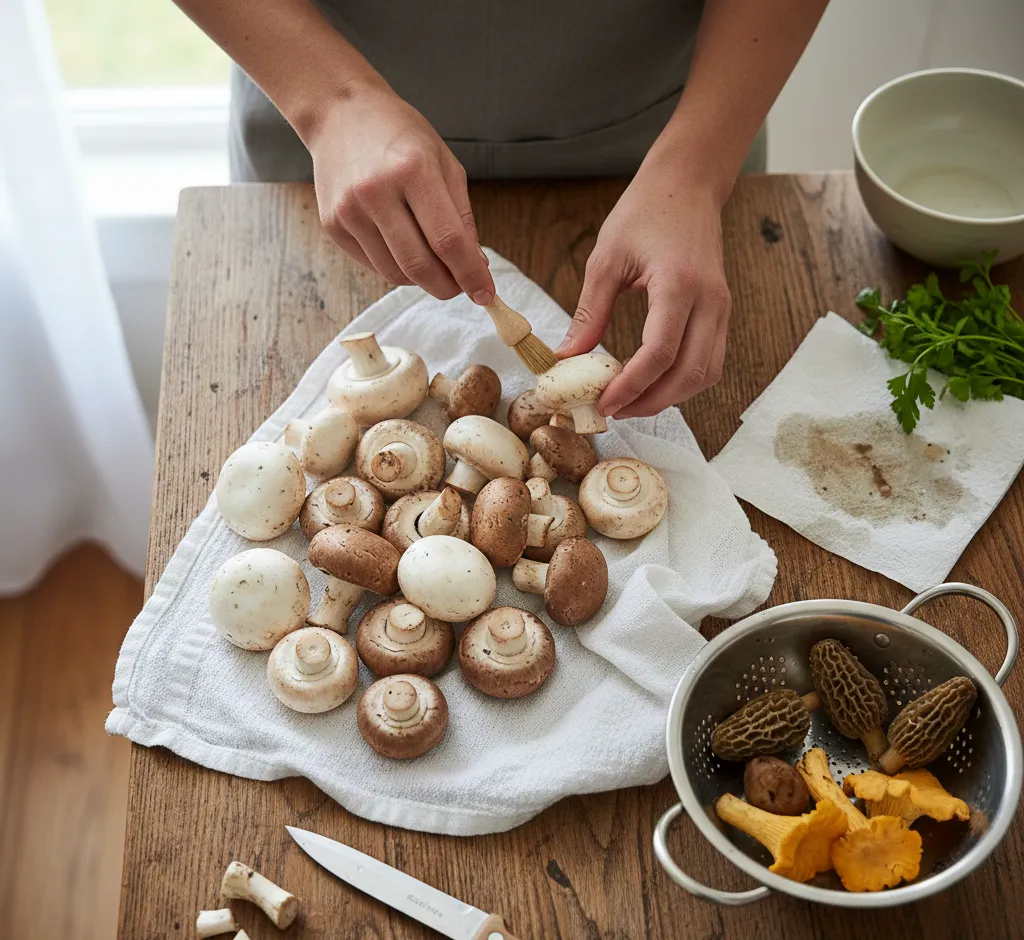
Mushrooms add unique flavors and nutrition to meals, but their delicate nature and tendency to harbor dirt require a gentle yet thorough cleaning approach. Whether you’re using store-bought white buttons or foraged wild varieties, proper cleaning keeps mushrooms fresh, safe, and flavorful for every recipe.
Why Mushroom Cleaning Matters
Mushrooms grow close to soil and often reach markets with traces of dirt, mulch, or even insects in crevices. Proper cleaning protects your health, brings out the mushroom’s best texture, and preserves its delicate flavor. Skipping this step risks grit in your dishes and reduces shelf life due to embedded moisture and debris [1] [2].
Essential Tools and Ingredients
- Soft-bristled brush or mushroom brush (or clean, unused toothbrush)
- Damp paper towels or clean cloths
- Colander or salad spinner
- Knife or kitchen shears for trimming
- Cold running water
General Principles for Cleaning Mushrooms
- Clean mushrooms just before using to avoid excess moisture and spoilage.
- Avoid soaking mushrooms—brief contact with water is fine, but prolonged soaking leads to sogginess and flavor loss.
- Always dry mushrooms thoroughly after washing to maintain their structure and taste [3].
Step-by-Step: Cleaning Common Mushrooms
For Store-Bought Varieties (White, Cremini, Portobello)
- Inspect: Remove any visible clumps of dirt or debris using your fingers or a soft brush.
- Dry Clean First: Wipe mushroom caps with a dry or slightly damp paper towel, focusing on dirty spots.
- Quick Rinse: If mushrooms remain dirty, place them in a colander and rinse briefly under cold running water. Swirl gently with your hand for no more than 10 seconds [1].
- Dry Thoroughly: Lay mushrooms on a clean towel or paper towels. Pat dry and leave to air dry for a few minutes, caps facing up.
- Trim: Use a sharp knife or kitchen shears to remove dried or tough stem ends and any bruised or damaged areas.
For Wild or Specialty Mushrooms (Morel, Chanterelle, Oyster)
- Shake Off Debris: Gently shake mushrooms in a colander to dislodge large particles.
- Brush Carefully: Use a soft brush to sweep away dirt from grooves, gills, and caps.
- Rinse if Needed: Quickly rinse under a light stream of cold water. For deeply grooved types like morels, a brief swirl in a bowl of water can dislodge hidden bugs and grit. Do not soak for more than 20–30 seconds [4].
- Optional Salt Rinse: For foraged mushrooms with bug holes, a salted water rinse (1 tablespoon salt per 4 cups water) followed by a quick dry can help dislodge pests.
- Dry Immediately: Pat thoroughly with clean towels and spread out to air dry. Wild mushrooms are especially susceptible to damage if kept wet.
Pro Tips for Specific Types
Portobello Mushrooms
- Wipe the cap carefully; for stuffing or grilling, use a spoon to scrape out the gills, which can be gritty or hold moisture [3].
- If stems are tough, twist and remove before use.
Oyster Mushrooms
- Wipe with a damp paper towel; no need to rinse unless visibly dirty.
- Trim woody stem ends—the rest is ready for cooking.
Morels and Other Delicate Wild Mushrooms
- Inspect for bugs using a soft brush; a quick dunk in water is usually all that’s needed.
- Dry immediately, as morels soak up water quickly [2].
Common Mistakes to Avoid
- Soaking mushrooms: Waterlogging leads to a spongy texture and diminished taste.
- Letting them sit wet: Always dry thoroughly before storing or cooking.
- Peeling caps: Most mushrooms do not need the skin removed—simply trim unsightly parts.
- Overtrimming: Mushrooms shrink significantly when cooked; only cut away truly inedible portions.
Food Safety Advice
- Rinse mushrooms under cold running water to remove bacteria and dirt, as recommended for all produce [5].
- Cook after washing—heat will kill any lingering bacteria on the surface.
- Store mushrooms unwashed; clean only what you’ll use for the meal.
- For wild mushrooms, always confirm edibility—consult an expert if foraged personally!
Storing Cleaned Mushrooms
After cleaning, use mushrooms promptly. If you must store them, place in a paper bag in the fridge and leave the top slightly open for air circulation. Avoid airtight containers, as trapped moisture encourages spoilage [6].
FAQs: Mushroom Cleaning
Can I eat mushrooms without washing?
Unwashed mushrooms carry dirt, bacteria, or even pesticides. Always clean or brush before use.
Is it safe to eat mushrooms raw?
Some mushrooms can be eaten raw, but cooking enhances safety by eliminating bacteria and potential contaminants.
Do I need a special brush?
A soft-bristled kitchen or baby brush works well, but a clean toothbrush is an excellent alternative.
Should I peel mushrooms?
Most types don’t require peeling. Trimming stems and brushing or rinsing is sufficient.
Conclusion
Cleaning mushrooms safely is straightforward when you follow expert practices: brush or rinse, dry thoroughly, and cook soon after. With a bit of care, you’ll enjoy grit-free, flavorful mushrooms in every dish—making the most of nature’s unique ingredient in your kitchen.