Stress and Its Impact on Oral Health: Causes, Symptoms, and Prevention
Learn how stress affects oral health, from teeth grinding and gum disease to dry mouth and mouth ulcers. Discover practical tips to protect your smile and manage stress for a healthier mouth.
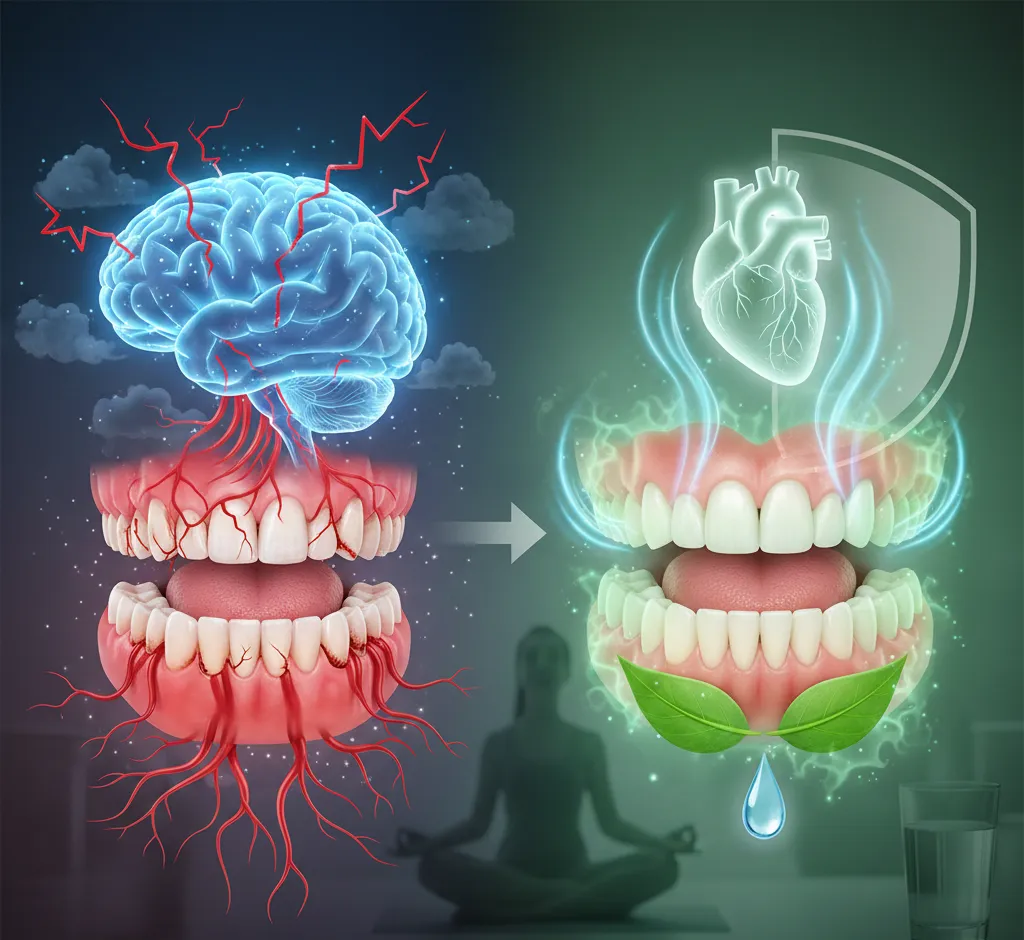
Stress is a natural part of life, but when it becomes chronic or overwhelming, it can affect much more than just mental wellbeing. One of the lesser-known consequences of ongoing stress is its impact on oral health. From teeth grinding and jaw pain to gum disease and mouth ulcers, stress can quietly harm your smile and overall quality of life.
This article explains how stress affects the mouth, teeth, and gums, what symptoms to look for, and what you can do to protect your oral health while managing daily pressures. Understanding the connection between stress and oral health is a powerful step toward a healthier, more confident smile.
How Stress Affects the Body and Mouth
When you feel stressed, your body activates the "fight or flight" response. Hormones such as cortisol and adrenaline increase, breathing quickens, and muscles tense. While this reaction helps you cope with short-term challenges, long-term or chronic stress can create ongoing strain that affects multiple systems, including the mouth.
The connection between stress and oral health appears in several ways:
- Muscle tension in the jaw and face can lead to teeth grinding and jaw pain.
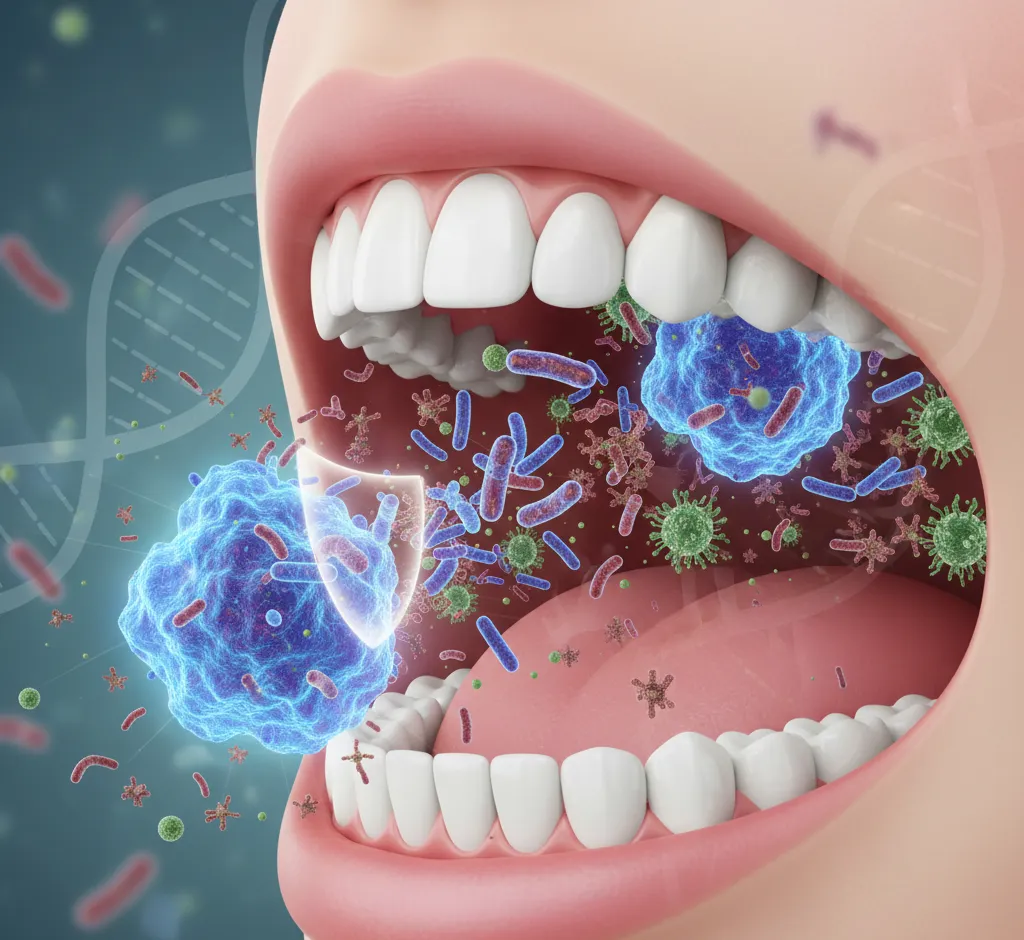
- Immune system changes can make gums more vulnerable to infection and inflammation.
- Changes in habits such as poor diet, smoking, or neglecting oral hygiene may worsen dental problems.
- Saliva flow can be reduced, leading to dry mouth and higher risk of tooth decay.
By understanding these links, it becomes easier to identify the signs of stress in your mouth and respond early.
Common Oral Health Problems Linked to Stress
Bruxism: Teeth Grinding and Clenching
Bruxism is the involuntary grinding or clenching of teeth, often occurring during sleep but sometimes during the day as well. Stress and anxiety are among the most common triggers.
Signs and symptoms of bruxism include:
- Worn, flattened, or chipped teeth
- Sensitivity to hot, cold, or pressure
- Jaw pain or stiffness, especially in the morning
- Headaches, particularly around the temples
- Clicking or popping sounds in the jaw joint
Over time, grinding can damage tooth enamel, increase the risk of fractures, and strain the temporomandibular joint (TMJ). In severe cases, it can even change the way teeth fit together when you bite.
Temporomandibular Joint (TMJ) Disorders
The temporomandibular joints connect the jaw to the skull and allow you to speak, chew, and yawn. Stress-related clenching and grinding can overload these joints and surrounding muscles, leading to TMJ disorders.
Common symptoms include:
- Jaw pain or tenderness
- Difficulty opening the mouth fully
- Clicking, popping, or grinding sounds in the jaw
- Radiating pain in the face, neck, or shoulders
- Headaches or earaches not explained by other causes
TMJ issues can significantly affect daily life, making speaking, eating, or even smiling uncomfortable. Stress management, physical therapy, dental splints, and sometimes medication can help relieve symptoms.
Gum Disease and Inflammation
Chronic stress can weaken the immune system, making it harder for the body to fight infection. In the mouth, this can increase the risk of gingivitis (early gum disease) and periodontitis (advanced gum disease). Stress may also influence behaviors that contribute to gum problems, such as poor brushing, smoking, or consuming more sugary foods.
Early signs of gum disease include:
- Red, swollen, or tender gums
- Bleeding when brushing or flossing
- Persistent bad breath
- Receding gums or teeth that appear longer
If left untreated, gum disease can cause gum recession, loss of bone around teeth, and eventually tooth loss. Addressing both stress and oral hygiene habits is essential for prevention and treatment.
Dry Mouth (Xerostomia)
Saliva plays a crucial role in oral health. It helps wash away food particles, neutralize acids, and protect tooth enamel. Stress can contribute to dry mouth, either directly through hormonal changes or indirectly through certain medications used to treat anxiety and depression.
Symptoms of dry mouth include:
- A sticky, dry feeling in the mouth
- Difficulty swallowing, chewing, or speaking
- Cracked lips or a rough tongue
- Increased tooth decay or bad breath
Without enough saliva, teeth become more vulnerable to cavities, and gums can become irritated. Managing stress and staying well-hydrated, along with dental treatment, can help reduce dry mouth discomfort.
Mouth Ulcers and Canker Sores
Many people notice an increase in mouth ulcers or canker sores during stressful periods. These small, painful lesions can appear on the inside of the lips, cheeks, or tongue and may make eating or speaking uncomfortable.
While the exact cause of canker sores is not fully understood, stress, minor injuries (such as biting the cheek), and a weakened immune system all seem to play a role. Fortunately, most mouth ulcers heal on their own within one to two weeks, but recurring sores can signal ongoing stress or nutritional deficiencies.
Poor Oral Hygiene Habits
Stress can also indirectly affect oral health by influencing daily routines and lifestyle choices. When life feels overwhelming, it is easy to skip brushing and flossing, snack more frequently on sugary foods, or rely on tobacco and alcohol for relief. Over time, these habits increase the risk of gum disease, tooth decay, and staining.
Recognizing these patterns is a key step in reversing them. Small, consistent changes can protect your oral health even during busy or stressful periods.
Warning Signs That Stress Is Affecting Your Mouth
Stress does not always show up clearly, and many oral health problems develop slowly. Paying attention to early warning signs can help you seek help before serious damage occurs.
Watch for:
- Jaw pain, stiffness, or soreness, especially after waking up
- Frequent headaches or facial pain
- Unexplained tooth sensitivity or fractures
- Bleeding gums or persistent bad breath
- Dry, sticky mouth that does not improve with fluids
- Regular mouth ulcers or sores that take a long time to heal
If you notice one or more of these issues, especially during a stressful time, it is wise to speak with a dentist. Early evaluation can prevent more serious problems and give you a clear plan for treatment.
How Dentists Diagnose and Treat Stress-Related Oral Problems
Dentists are trained not only to treat teeth and gums, but also to recognize patterns that suggest stress or other underlying causes. During an examination, a dentist may look for signs of grinding, enamel wear, gum inflammation, or jaw joint issues. You may also be asked about lifestyle, sleep patterns, and stress levels.
Common Treatment Options
- Night guards or splints: Custom-made devices worn during sleep can protect teeth from grinding and reduce strain on the jaw.
- Restorative treatments: Crowns, fillings, or bonding may be needed to repair cracked, broken, or worn teeth.
- Gum treatment: Professional cleaning, scaling, and improved home care can help control gum disease.
- Dry mouth management: Dentists may suggest saliva substitutes, special mouthwashes, or fluoride treatments to protect teeth.
- Referrals: In some cases, dentists may work with doctors, therapists, or physiotherapists to address TMJ disorders or underlying stress and anxiety.
Dental treatment works best when combined with strategies that address the root cause of stress, not just its symptoms.
Practical Tips to Protect Oral Health During Stress
Even if stress cannot be eliminated completely, many effective steps can reduce its impact on your mouth. Consistency matters more than perfection, so focus on building small, sustainable habits.
1. Maintain a Strong Daily Oral Care Routine
- Brush your teeth at least twice a day with fluoride toothpaste.
- Floss once a day to clean between teeth and along the gumline.
- Use an alcohol-free mouthwash if recommended by your dentist.
- Set reminders on your phone if you tend to forget when you are busy.
Even when life feels chaotic, keeping this routine in place protects your mouth against plaque buildup and gum disease.
2. Manage Teeth Grinding and Jaw Tension
- Ask your dentist about a night guard if you suspect you grind your teeth.
- Practice relaxing your jaw: keep your lips together and teeth slightly apart.
- Apply a warm compress to the jaw muscles to relieve tension.
- Avoid chewing on pens, ice, or hard foods that strain the jaw.
These simple steps can reduce damage and discomfort, especially during periods of high stress.
3. Support Your Mouth With a Healthy Diet
- Limit sugary snacks and drinks, which increase the risk of cavities.
- Choose balanced meals rich in fruits, vegetables, lean proteins, and whole grains.
- Drink plenty of water throughout the day to support saliva flow.
- Reduce alcohol and caffeine if they worsen dry mouth or affect sleep.
A nutritious diet supports both oral and overall health, helping your body better handle stress.
4. Stay Hydrated to Combat Dry Mouth
- Sip water regularly, especially if your mouth feels dry.
- Chew sugar-free gum or suck on sugar-free lozenges to stimulate saliva.
- Avoid tobacco and limit alcohol, which can worsen dryness.
- Talk to your doctor about medication side effects that may cause dry mouth.
Improving hydration and saliva flow helps prevent cavities and keeps the mouth more comfortable.
5. Integrate Stress Management Techniques
Protecting oral health also means looking after mental wellbeing. Simple stress management practices can reduce grinding, jaw tension, and unhealthy habits.
- Deep breathing: Take slow, deep breaths for a few minutes to calm the nervous system.
- Physical activity: Regular exercise helps relieve tension and improve mood.
- Relaxation routines: Stretching, yoga, or gentle neck and jaw exercises can ease muscle tightness.
- Sleep hygiene: Aim for consistent sleep times and a relaxing bedtime routine.
- Professional support: Consider speaking with a therapist or counselor if stress feels unmanageable.
While these techniques may not remove stress entirely, they can make it more manageable and reduce its impact on your body and mouth.
6. Keep Regular Dental Check-Ups
When life gets busy, dental visits are often postponed, but routine check-ups are especially important during stressful times. Dentists can detect early signs of grinding, gum disease, and other problems before they become serious.
- Schedule dental cleanings every six months, or as recommended.
- Tell your dentist if you are experiencing stress, changes in medication, or new symptoms.
- Ask for personalized advice on protecting your teeth and gums.
Preventive care is more comfortable, less expensive, and more effective than waiting for a crisis.
When to Seek Professional Help
It is normal to experience stress from time to time, but if you notice ongoing oral symptoms or pain, professional help is important. Contact a dentist if you experience:
- Persistent jaw pain or difficulty opening your mouth
- Frequent or severe toothaches
- Bleeding gums that do not improve with regular brushing and flossing
- Recurring mouth ulcers or sores lasting longer than two weeks
- Chronic dry mouth that interferes with eating or speaking
If stress or anxiety feels overwhelming, sleep is disturbed, or mood is affected, speaking with a healthcare provider or mental health professional can be just as important as seeing a dentist. Oral and mental health are closely connected, and addressing both offers the best long-term results.
Conclusion: Protecting Your Smile in Stressful Times
Stress is an unavoidable part of modern life, but damage to your oral health does not have to be. By understanding how stress affects the mouth and recognizing early warning signs, you can take proactive steps to protect your teeth, gums, and jaw.
Maintaining a strong oral hygiene routine, managing teeth grinding, staying hydrated, eating well, and building stress management habits all play a role. Regular dental check-ups provide an extra layer of protection, helping catch problems early and keep your smile healthy.
Paying attention to your mouth can even help you notice when stress is building up. If you start to see signs such as jaw pain, dry mouth, or bleeding gums, consider it a signal to slow down, seek support, and give both your mind and your smile the care they deserve.