The Invisible Comfort: Ideal Humidity Levels for Optimal Sleep Across All Ages
Discover the critical role relative humidity plays in sleep quality for infants, children, adults, and seniors. Learn the optimal 40%-60% range and how to adjust your bedroom environment for healthier, deeper rest.
The Invisible Comfort: Ideal Humidity Levels for Optimal Sleep Across All Ages
When optimizing a bedroom for restorative sleep, most people focus on two factors: temperature and darkness. However, there is a third, often-overlooked component of air quality that plays a critical role in how deeply and soundly we sleep: relative humidity (RH). Humidity—the amount of water vapor in the air—significantly impacts respiratory health, skin comfort, and the proliferation of indoor allergens, making it an especially crucial factor for vulnerable populations like infants and the elderly.
The Universal Sweet Spot: 40% to 60% Relative Humidity
For a healthy home environment, the Environmental Protection Agency (EPA) and sleep experts generally recommend maintaining a relative humidity level between 40% and 60%. This range is considered the “sweet spot” because it:
- Reduces Virus Survival: Research suggests that viruses, including influenza, survive and spread less effectively when RH is within this moderate range.
- Discourages Allergens: Levels above 60% promote the growth of mold, mildew, and dust mites—major triggers for allergies and asthma.
- Protects Airways: Levels below 40% can dry out mucous membranes in the nose and throat, leading to irritation, congestion, nosebleeds, and increased susceptibility to infection.
While the 40–60% range is universally ideal, the physiological effects of humidity extremes are amplified in different age groups.
| Age Group | Recommended RH Range | Risk of Low Humidity (<40%) | Risk of High Humidity (>60%) |
|---|---|---|---|
| Infants/Newborns | 40% – 60% (Most Sensitive) | Congestion, dry skin, worsened eczema, increased infection risk. | Overheating, mold/dust mite exposure, increased SIDS risk (due to overheating/sweating). |
| Children/Adolescents | 40% – 50% | Dry cough, chapped lips, throat irritation, cold/flu symptom persistence. | Allergy/asthma flare-ups (due to mold/dust mites), sticky or clammy feeling, sleep disruption. |
| Adults | 40% – 50% | Dry skin, irritated sinuses, snoring, exacerbated symptoms from dry air. | Night sweats, discomfort, decreased sleep efficiency, dust mite allergies. |
| Seniors | 40% – 55% | Worsened respiratory conditions (COPD, asthma), severe skin dryness, dehydration. | Heat stress, cardiovascular strain, allergy/asthma attacks. |
Infants and Newborns: The Highest Sensitivity (40%–60%)
The humidity level in a baby's room is perhaps the most critical. Infants' airways are much smaller, and they are obligate nose breathers for the first few months. Furthermore, their skin is highly delicate and prone to moisture loss. Pediatricians often recommend the upper end of the ideal range (up to 60%) to ensure maximum comfort.
The Danger of Low Humidity for Baby Sleep
In dry winter months, low humidity (below 40%) can lead to a host of problems that severely disrupt infant sleep:
- Nasal Congestion: Dry air thickens mucus, making it harder for a baby to clear their nasal passages. This congestion directly impairs breathing and feeding, leading to frequent night awakenings.
- Skin Conditions: Low humidity exacerbates dry skin, chapped lips, and conditions like infant eczema, causing itchiness and discomfort that wake the baby.
For this age group, a cool-mist humidifier is the standard solution to safely raise RH, but it requires daily cleaning to prevent the spread of bacteria or mold.
Children and Adolescents: Balancing Health and Comfort (40%–50%)
While less sensitive than infants, school-age children and teenagers still suffer from sleep disruption when humidity is out of balance.
Managing Respiratory and Allergic Risks
Children are often exposed to a wider variety of allergens in their daily life. High humidity in the bedroom (>60%) can create a breeding ground for dust mites and mold spores, both of which are common allergy and asthma triggers. A child experiencing an allergic reaction in their sleep environment will often have interrupted, restless sleep. Conversely, excessively dry air can cause a persistent, dry cough that prevents them from achieving deep, restorative sleep stages.
Adults: Optimizing Deep Sleep and Airway Health (40%–50%)
Adults generally have a broader tolerance range, but maintaining 40%–50% RH is key to optimizing the quality of restorative sleep stages.
Humidity and Sleep Apnea/Snoring
For adults who snore or use Continuous Positive Airway Pressure (CPAP) machines for sleep apnea, humidity is especially relevant. Dry air can irritate the nasal and throat passages, making snoring worse. For CPAP users, low humidity can lead to uncomfortable dryness in the mask and airways (often called 'rainout' or 'washout'), necessitating the use of a heated humidifier attachment for comfortable, continuous therapy.
Seniors: Increased Vulnerability to Extremes (40%–55%)
Like infants, seniors have an increased vulnerability to humidity extremes due to several factors, including thinner skin, reduced thirst sensation (increasing dehydration risk), and a higher prevalence of pre-existing respiratory and cardiovascular conditions.
Respiratory and Cardiovascular Strain
High humidity makes a room feel warmer because it impedes the body's natural cooling process (sweating). For seniors, this can lead to heat stress and place additional strain on the cardiovascular system, making it harder for the heart to pump blood. Conversely, very low humidity can dangerously dry out the respiratory tract, worsening chronic conditions like COPD and making them more susceptible to respiratory infections.
Practical Steps for Humidity Control
Achieving and maintaining the ideal 40–60% RH is simple with the right tools:
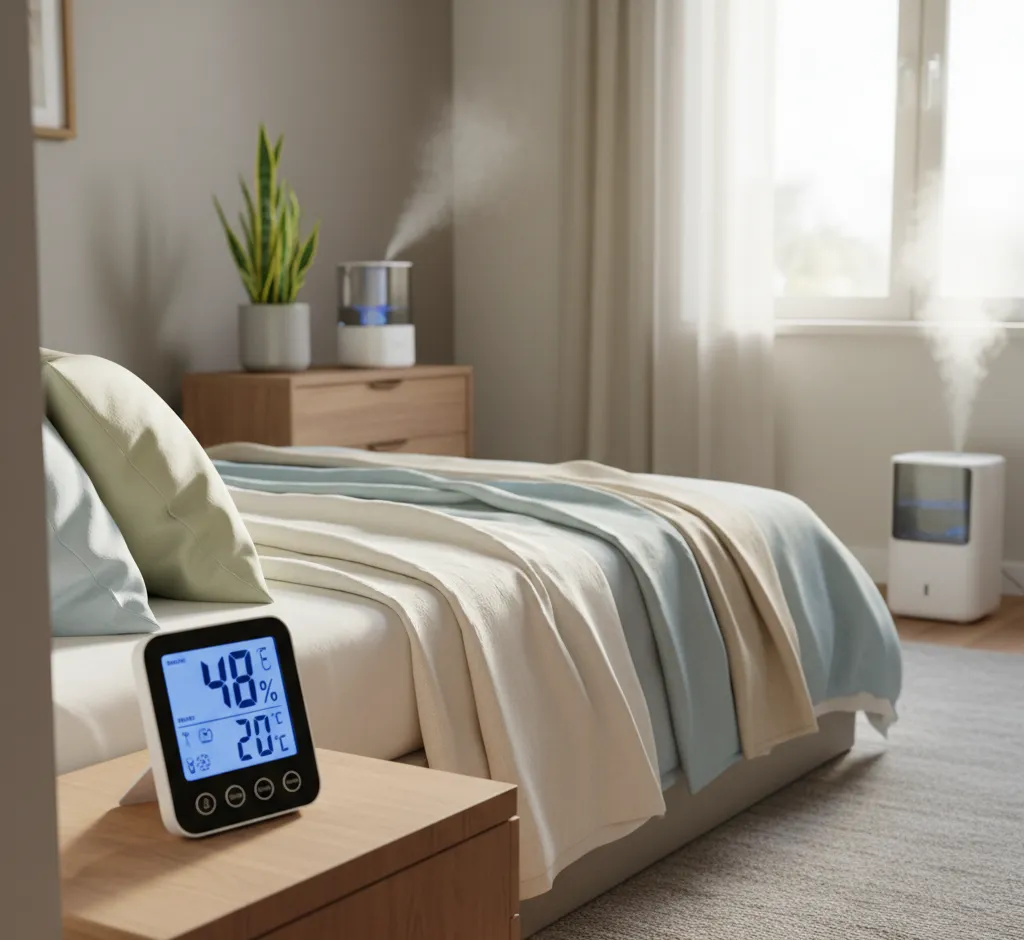
- Monitor with a Hygrometer: This inexpensive device is essential for accurately measuring your bedroom’s relative humidity. Do not guess; measure.
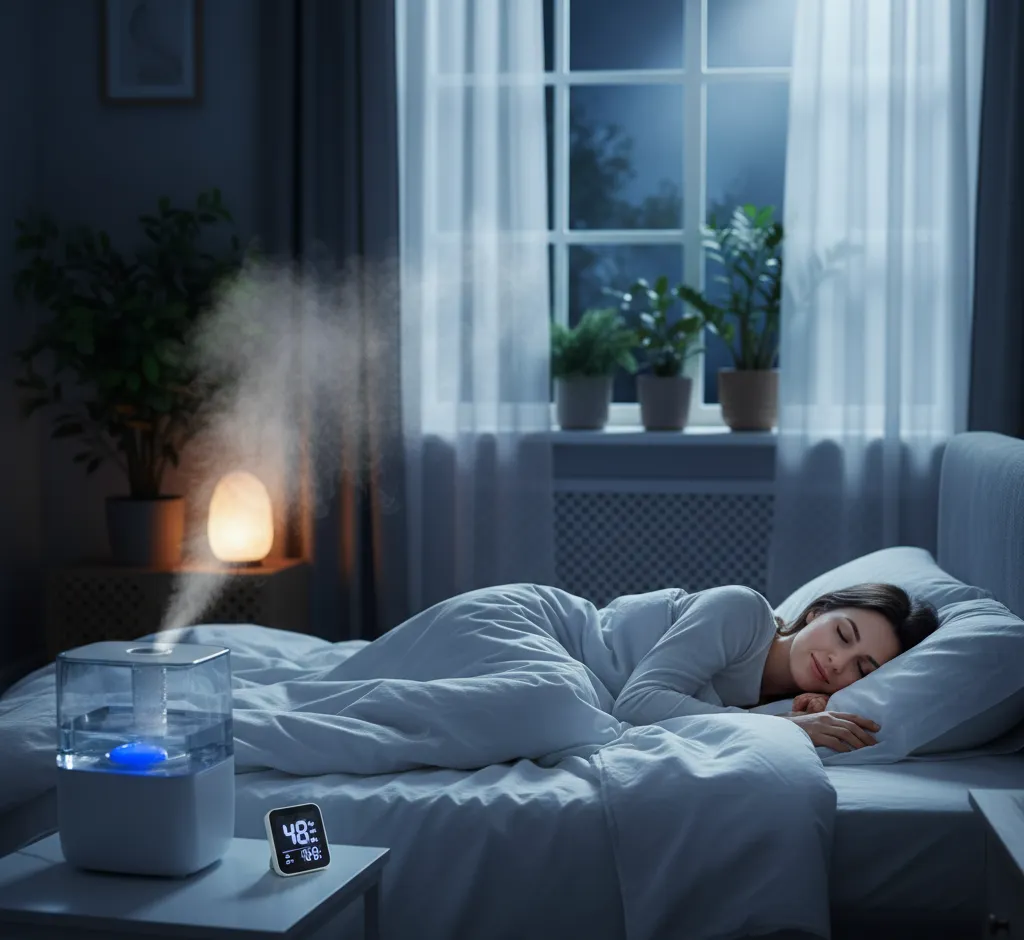
- Use a Humidifier: If RH is below 40% (common in winter), use a clean, regularly maintained humidifier to add moisture.
- Use a Dehumidifier or AC: If RH is above 60% (common in summer or damp climates), run an air conditioner or a dehumidifier to extract excess moisture.
- Ensure Ventilation: Proper airflow helps prevent moisture buildup, especially in smaller rooms or poorly ventilated areas.
By making humidity control a priority in your sleep hygiene routine, you can create an environment that supports deep breathing, prevents irritation, and fosters the restorative sleep necessary for health at every stage of life.