The Ultimate Guide to Vinegar Fruit Wash Ratios: Clean Produce, Safely
Discover the scientifically proven best vinegar-to-water ratio for washing fruits and vegetables. Learn how a 1:3 dilution safely removes pesticides, wax, and bacteria without affecting flavor.
🍏 Why a Vinegar Wash is Essential for Your Produce
In a world increasingly conscious of food safety, simply rinsing your fruits and vegetables under cold tap water is no longer sufficient. Produce often carries residual pesticides, waxes, dirt, and microorganisms that can be detrimental to health. While many commercial produce washes exist, a simple, homemade solution using vinegar and water stands out as the most effective, affordable, and natural option. This method leverages the mild acidity of vinegar—typically white distilled vinegar, which contains about 5% acetic acid—to break down residues and kill bacteria.
🔬 Understanding the Science of Vinegar
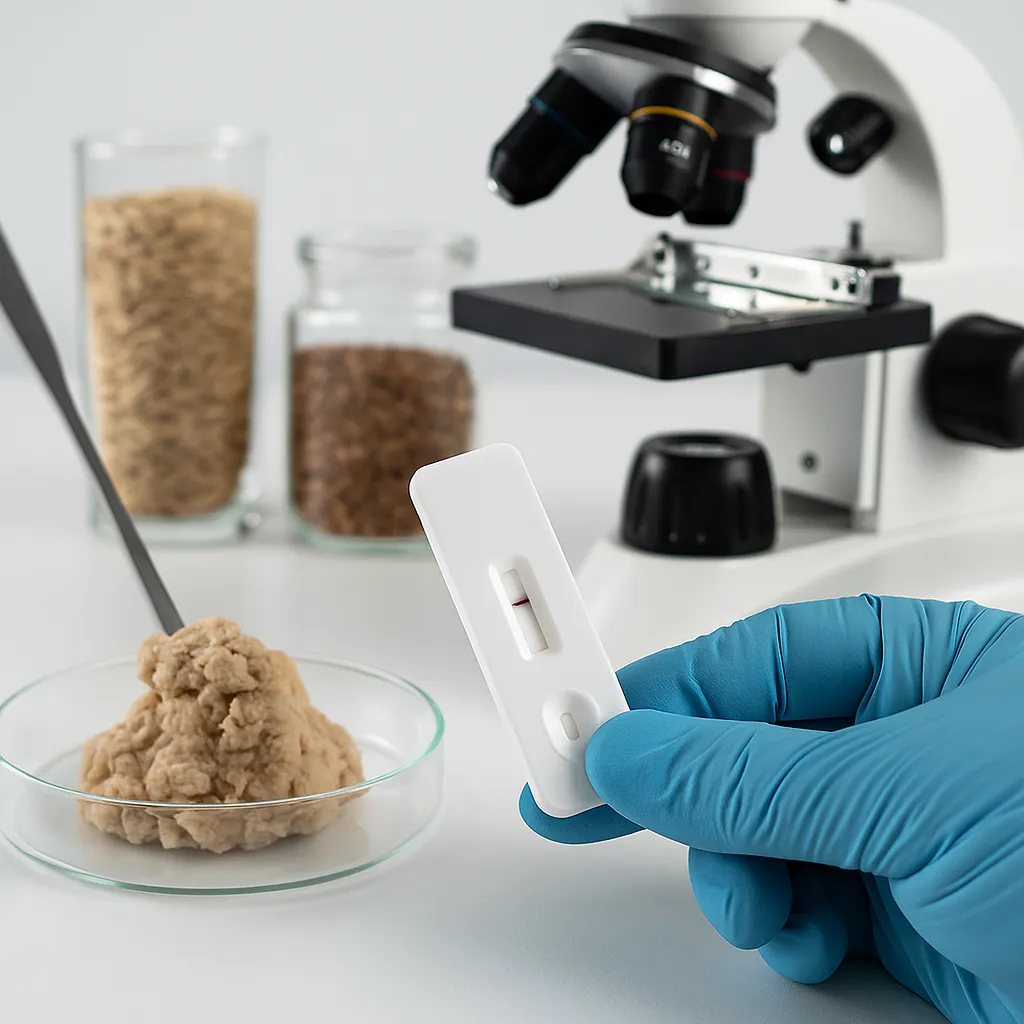
The magic ingredient in vinegar is **acetic acid**. This organic compound possesses powerful antimicrobial properties. When diluted with water, the acetic acid can penetrate the cell walls of many common foodborne pathogens, such as *E. coli* and *Salmonella*, effectively neutralizing them. It also works as a mild surfactant, helping to lift and wash away dirt and the protective wax coatings often applied to store-bought produce.
⚠️ The Danger of Too Much Vinegar
While vinegar is powerful, using it undiluted or in too high a concentration can be counterproductive. The strong acidic taste can be absorbed by the produce, particularly porous items like berries, leaving an unpleasant sour flavor. Furthermore, an overly acidic environment can sometimes damage delicate fruit skins. The goal is to find the perfect **balance**—a ratio that maximizes cleaning and disinfection while minimizing flavor impact and preserving the integrity of the fruit.
💧 The Best Vinegar-to-Water Ratio: A Universal Standard
Through extensive testing and recommendations from food safety experts, the universally accepted and most effective ratio for a general fruit and vegetable wash is:
- **One Part Vinegar (White Distilled is Recommended)**
- **Three Parts Water (Filtered or Tap)**
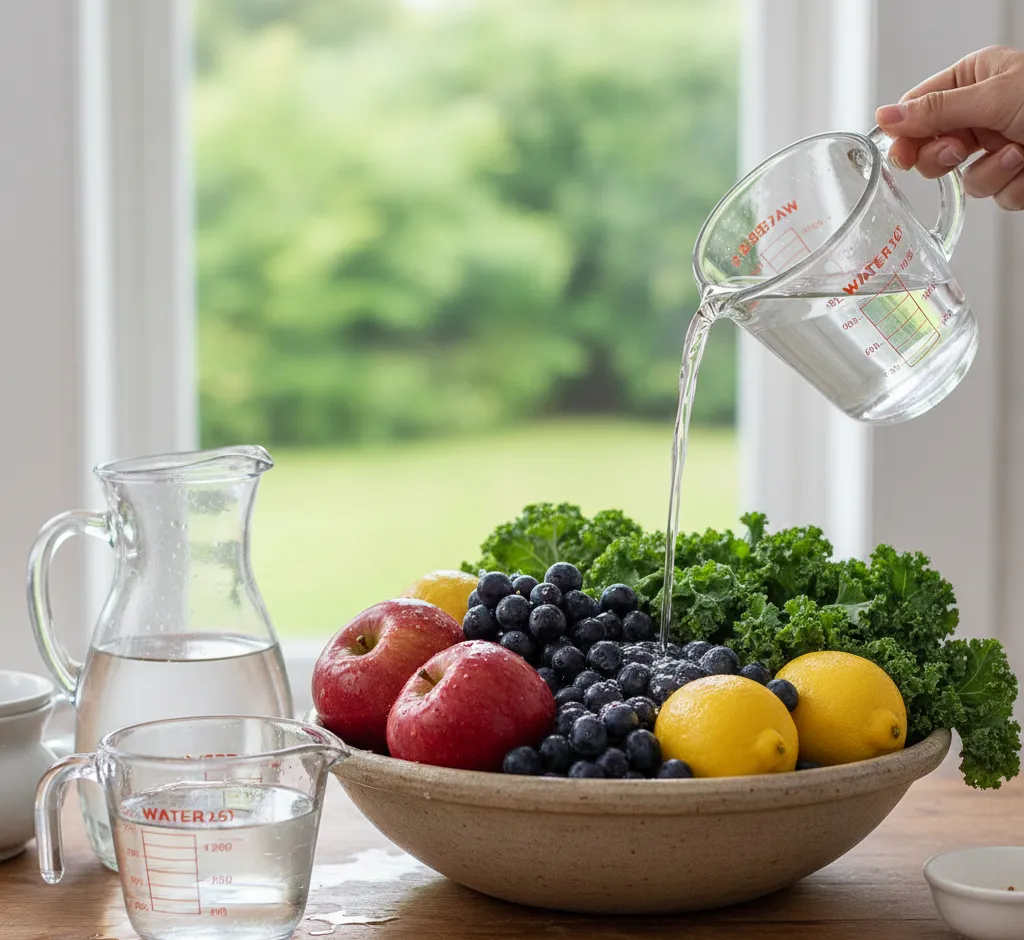
This translates to a **1:3 ratio**. For example, for a standard kitchen basin of wash, you would mix **1 cup of white vinegar with 3 cups of water**. This dilution level creates an environment acidic enough (a pH low enough) to neutralize most common pathogens and break down residues without imparting a noticeable vinegar flavor after a quick final rinse.
⚖️ Adjusting the Ratio for Specific Produce
While 1:3 is the gold standard, you may slightly adjust the mixture based on the type of produce you are cleaning:
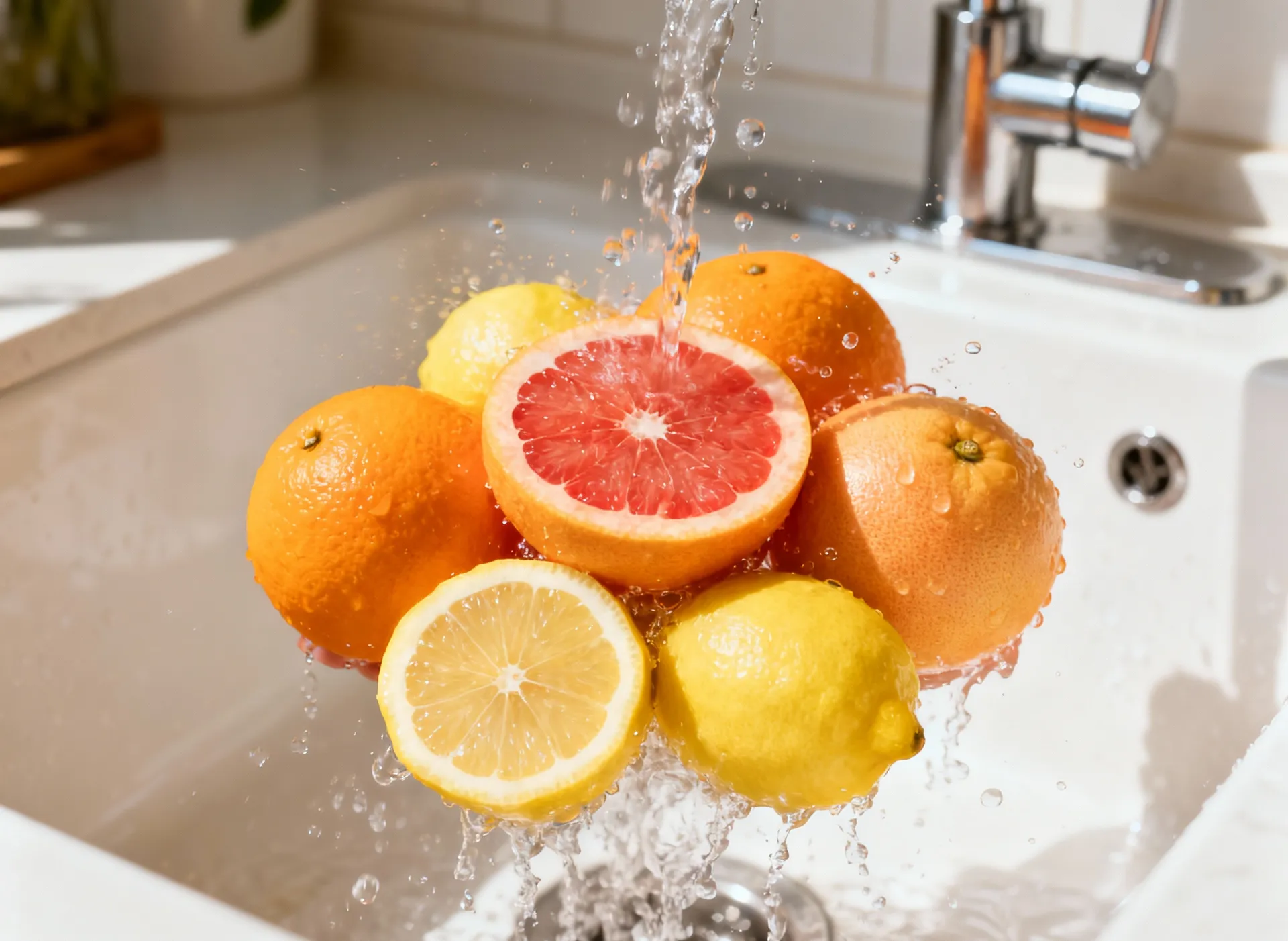
- Hard-Skinned Produce (Apples, Pears, Cucumbers, Citrus): For these items, which have tougher, non-porous skins, you can safely use a slightly stronger 1:2 ratio (1 cup vinegar to 2 cups water). The stronger solution helps dissolve stubborn wax and deeply embedded dirt.
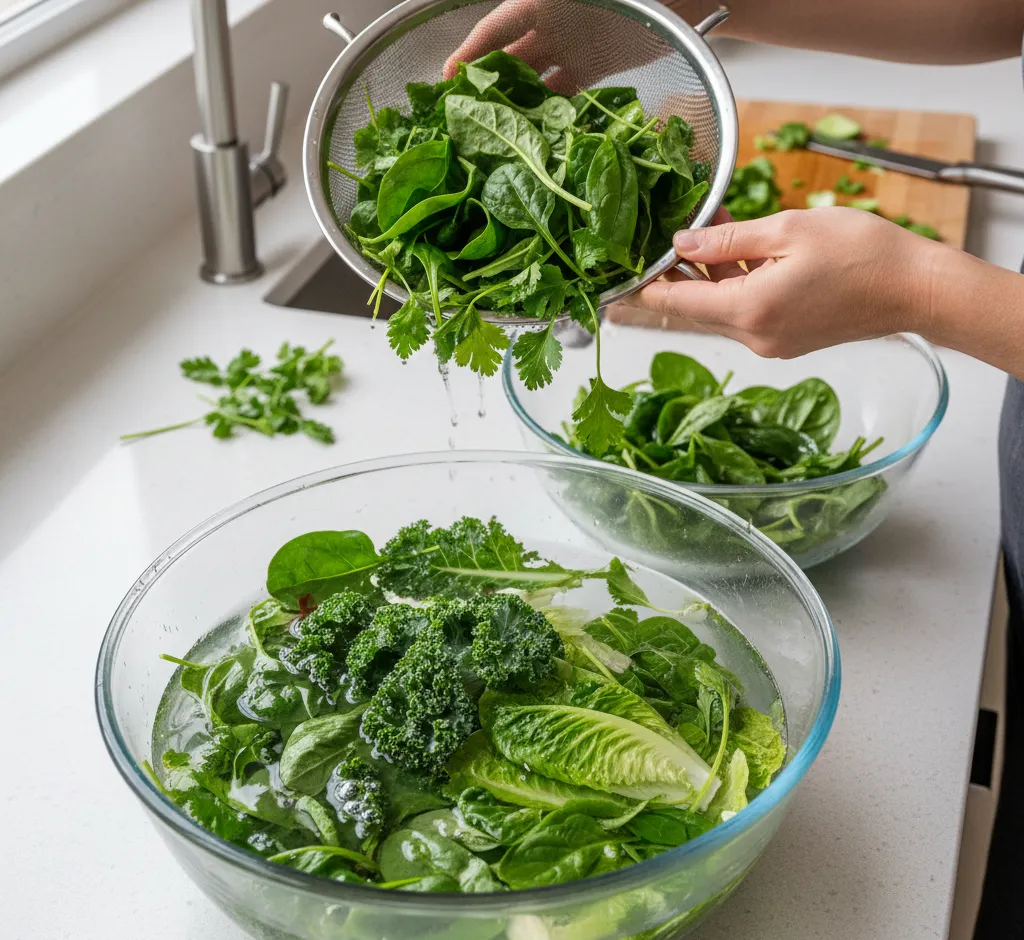
- Delicate Produce (Berries, Mushrooms, Lettuce): For porous and sensitive items, stick strictly to the **1:3 ratio**, or even a slightly weaker **1:4 ratio**. Berries, in particular, absorb liquid quickly, and a weaker solution ensures they remain fresh and flavor-free. For these items, a quick dip (30 seconds to 1 minute) is better than a long soak.
🧺 The Simple 3-Step Cleaning Process
No matter the ratio you choose, the cleaning process remains simple:
- Preparation: Fill a clean bowl, sink basin, or spray bottle with your chosen vinegar and water mixture (e.g., 1 cup vinegar and 3 cups water).
- Washing/Soaking: Submerge your produce. Hard-skinned items can soak for 3-5 minutes. Delicate items should only be dipped or soaked for a maximum of 1-2 minutes. Agitate the water gently with your hands to loosen debris.
- Final Rinse: Transfer the produce to a colander and rinse thoroughly under cool running tap water. This final step is crucial to wash away any remaining vinegar solution and residues.
By adopting the simple 1:3 vinegar wash ratio, you can significantly enhance the safety and cleanliness of your fresh fruits and vegetables, enjoying them with complete peace of mind.