Why You Should Always Dry Vegetables After Washing
Learn why drying vegetables after washing is essential for food safety, better texture, longer shelf life, and more flavorful cooking. Discover best methods, common mistakes, and practical tips.
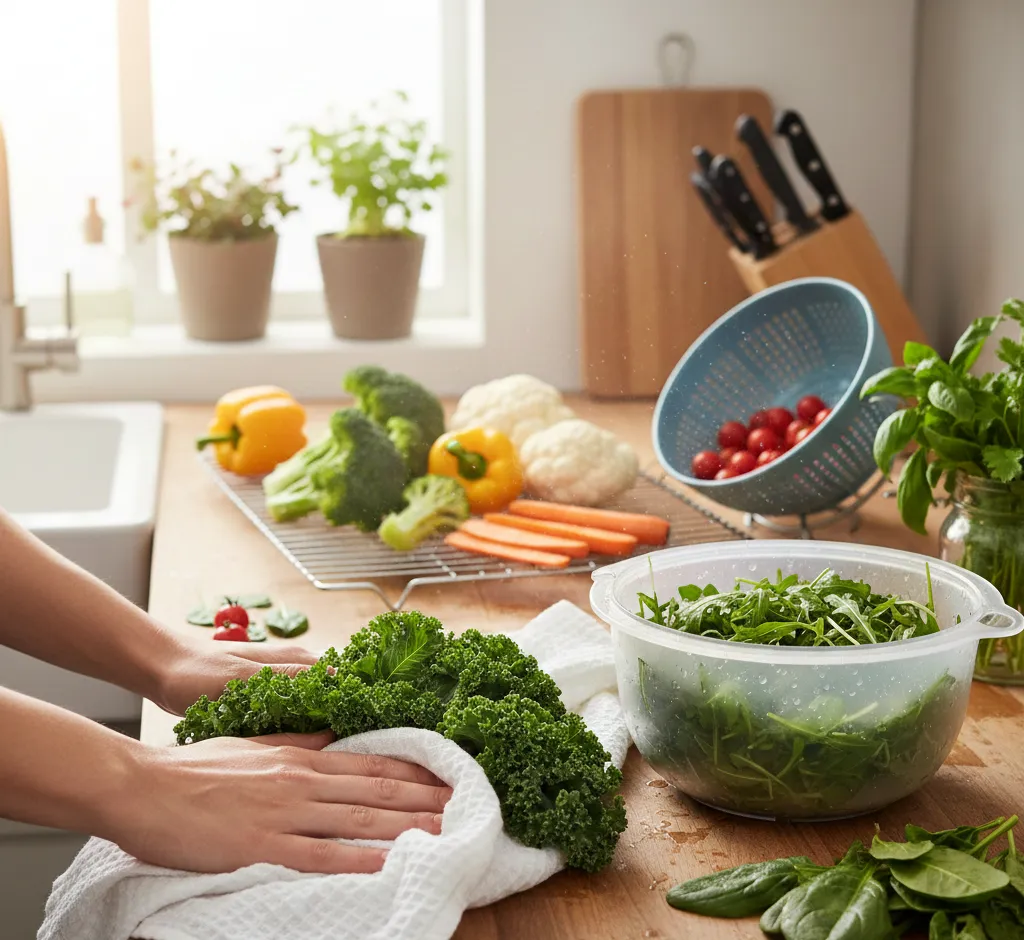
Rinsing fresh vegetables under cold water is a healthy habit that helps remove dirt, bacteria, and pesticide residues. However, many people overlook an equally important step: properly drying vegetables after washing. Whether you are making a salad, roasting veggies, or preparing ingredients for storage, removing excess moisture is crucial for both food safety and quality.
In this article, you will learn why drying vegetables matters, how it affects taste and texture, and which methods work best in everyday cooking. We will also look at common mistakes and practical tips that help your vegetables stay fresh longer, cook better, and remain safer to eat.
Why Drying Vegetables After Washing Is So Important
1. Reducing the Risk of Bacteria and Mold
Washing vegetables helps rinse away surface dirt and some microorganisms, but water itself can create a moist environment where bacteria and mold thrive. When vegetables remain wet, especially in the refrigerator or on the counter, it becomes easier for unwanted microorganisms to multiply.
Key reasons why drying helps with food safety:
- Less standing water: Bacteria love moisture. By removing excess water, you reduce the conditions they need to grow.
- Better storage conditions: Dry vegetables are less likely to develop slimy surfaces or mold spots in the refrigerator.
- Cleaner cutting and handling: Drier surfaces also help reduce cross-contamination on cutting boards and knives.
Of course, drying does not sterilize vegetables, but as part of a good hygiene routine, it can significantly slow down spoilage and help keep your produce fresher and safer for longer.
2. Preventing Premature Spoilage in the Fridge
Have you ever bought a crisp head of lettuce or a bunch of herbs, only to find them wilted and slimy a few days later? Excess moisture is often the cause. When vegetables go into containers or bags still wet, that water gets trapped, creating a mini greenhouse where spoilage happens faster.
How drying improves shelf life:
- Less condensation: Drying vegetables before refrigerating reduces water buildup in bags and containers.
- Slower breakdown: Drier conditions slow down enzymatic activity and breakdown of cell walls, helping vegetables stay firm.
- Better air circulation: When produce is dry, air can circulate more freely around it, maintaining a more stable environment.
This is especially important for delicate greens, fresh herbs, and pre-cut vegetables. A few extra minutes of drying can add several days of freshness.
3. Improving Texture and Flavor in Cooking
Water clinging to vegetables does not just affect storage, it also changes how they cook. Excess surface moisture can prevent vegetables from browning properly, dilute flavors, and turn a crisp dish into something soggy.
Why drier vegetables cook better:
- Better browning: To roast, stir-fry, or grill vegetables effectively, you need high heat and a relatively dry surface. Too much water causes steaming instead of browning.
- Enhanced flavor: Browning creates complex flavors through the Maillard reaction. Wet vegetables struggle to reach those temperatures.
- Improved texture: Drying helps maintain a firm, crisp bite rather than a mushy consistency.
If you have ever wondered why your roasted vegetables look pale or your stir-fry turns watery, leaving your vegetables slightly damp instead of properly dried might be the reason.
4. Avoiding Soggy Salads and Watery Dressings
For raw dishes such as salads, the difference between wet and dry vegetables is immediately noticeable. Salad greens that are not well-dried will dilute dressings, flatten flavors, and make the whole dish seem watery and limp.
Benefits of drying for salads:
- Dressings stick better: When leaves are dry, vinaigrettes and sauces cling to the surface instead of sliding off.
- Longer-lasting crispness: Dry greens keep their crunch longer, even after being dressed.
- More intense flavor: Without extra water washing down your dressing, each bite tastes more vibrant.
Taking the time to spin or pat greens dry before assembling a salad immediately improves both texture and taste.
How Moisture Affects Different Types of Vegetables
Not all vegetables behave the same way when it comes to water. Some can tolerate a little extra moisture, while others are very sensitive and spoil quickly if not dried properly.
Leafy Greens (Lettuce, Spinach, Kale, Arugula)
Leafy greens have thin, delicate surfaces and a large amount of exposed area, which means they hold onto a lot of water when washed. They also wilt and spoil more rapidly when stored wet.
- After washing: Always dry thoroughly using a salad spinner or clean kitchen towels.
- For storage: Keep greens slightly dry, wrapped in a breathable paper towel or cloth inside a container or perforated bag.
- For serving: Dry leaves help dressings adhere and prevent soggy salads.
Cruciferous Vegetables (Broccoli, Cauliflower, Cabbage, Brussels Sprouts)
These vegetables often have many small crevices where water can collect. If not dried, moisture can remain trapped and encourage mold or uneven cooking.
- After washing: Shake off excess water and pat dry, especially between florets.
- For roasting: Ensure surfaces are as dry as possible to achieve good caramelization and crispy edges.
- For storage: Let them air-dry for a few minutes before refrigerating.
High-Water Vegetables (Zucchini, Eggplant, Mushrooms)
Zucchini, eggplant, and mushrooms already contain a lot of internal moisture. Adding extra surface water after washing increases the risk of sogginess during cooking.
- Mushrooms: Instead of soaking, wipe with a damp cloth or briefly rinse and dry immediately. Wet mushrooms steam instead of brown.
- Zucchini and eggplant: Pat dry thoroughly and consider salting and blotting to draw out some internal moisture for crispier results.
- Grilling or pan-frying: Always start with as dry a surface as possible.
Root Vegetables (Carrots, Potatoes, Beets)
Root vegetables are more robust and usually tolerate washing better. Still, drying the surface helps them roast and store more effectively.
- After scrubbing: Pat dry or air-dry briefly before cooking.
- For roasting: Dry surfaces lead to crisp exteriors and caramelized flavors.
- For storage: Do not store root vegetables wet or in standing water, as this encourages rot.
Best Methods for Drying Vegetables After Washing
Drying vegetables properly does not have to be complicated or time-consuming. Here are the most effective and practical methods you can use at home, depending on the type and quantity of vegetables you have.
1. Salad Spinner
The salad spinner is one of the most efficient tools for drying leafy greens and herbs. It removes water quickly using centrifugal force, saving both time and paper towels.
- How to use: Place washed greens in the basket, spin vigorously until no more water collects at the bottom.
- When to use: Ideal for lettuce, spinach, arugula, fresh herbs, and other delicate leaves.
- Tip: After spinning, you can spread the greens on a clean towel for a few minutes to finish air-drying.
2. Patting Dry with Clean Kitchen Towels
Clean, lint-free kitchen towels or reusable cloths are excellent for drying a variety of vegetables. They are more sustainable and cost-effective than paper towels in the long run.
- How to use: Lay vegetables in a single layer on a towel, cover with another towel, and gently press to absorb moisture.
- Best for: Larger pieces like broccoli florets, sliced peppers, zucchini, eggplant, and carrots.
- Hygiene note: Use freshly washed towels and launder them regularly to avoid spreading bacteria.
3. Using Paper Towels (When Needed)
Paper towels are convenient, especially when you need to dry small amounts or very juicy items and do not have time to wash cloths immediately afterward.
- How to use: Gently blot vegetables with paper towels or line a tray and let them sit until most moisture is absorbed.
- Best for: Tomatoes that will be sliced for sandwiches, cucumber slices, or delicate herbs.
- Tip: If you want to be more eco-friendly, combine brief blotting with air-drying to reduce paper use.
4. Air-Drying on a Rack or Tray
Air-drying is a simple, hands-off method that works well when you are not in a rush. It allows water to evaporate naturally from the surface of the vegetables.
- How to use: Spread vegetables in a single layer on a clean rack, tray, or baking sheet lined with a towel and let them sit until dry.
- Best for: Hearty vegetables like carrots, broccoli, cauliflower, and washed herbs.
- Tip: Do not leave vegetables damp for too long at room temperature; aim for just enough time to dry the surface.
5. Spinning or Shaking by Hand
For sturdy vegetables, a quick manual shake can remove a surprising amount of water before final drying.
- How to use: After rinsing, place vegetables in a colander and shake vigorously over the sink.
- Best for: Broccoli, green beans, snap peas, and other firm vegetables.
- Follow-up: Finish by patting dry or letting them air-dry briefly.
Drying Vegetables for Different Cooking Methods
How thoroughly you need to dry vegetables can depend on the way you plan to cook or serve them. Adjust your drying technique to match the dish you are preparing.
For Salads and Raw Dishes
When vegetables will be eaten raw, dryness is directly tied to both flavor and mouthfeel. Water can ruin delicate textures and wash away seasonings.
- Greens and herbs: Aim for as dry as possible. Use a salad spinner followed by brief air-drying.
- Raw veggie platters: Pat dry carrot sticks, cucumber slices, and bell pepper strips so dips adhere better.
- Grain or pasta salads: Dry vegetables help prevent the whole dish from becoming watery as it sits.
For Roasting and Baking
Roasting is one of the cooking methods that benefits most from well-dried vegetables. The goal is to create browned, caramelized surfaces, which water can easily interfere with.
- Potatoes and root vegetables: Dry thoroughly before adding oil and seasoning to encourage crisp edges.
- Cauliflower, broccoli, Brussels sprouts: Make sure no visible droplets remain before roasting.
- Zucchini and eggplant: Dry well, and consider salting and blotting for an even firmer texture.
For Stir-Frying and Sautéing
Stir-frying and sautéing rely on high heat and quick cooking. Wet vegetables drop the pan temperature and create steam, leading to softer, less flavorful results.
- Mixed vegetable stir-fries: Dry each type of vegetable separately, especially mushrooms and peppers.
- Leafy greens: It is fine if they are slightly damp, but avoid visible water pooling in the pan.
- Timing: If you wash vegetables just before cooking, dry them while the pan heats up to save time.
For Grilling
On the grill, water not only prevents good charring but can also cause flare-ups when mixed with oil. Dry vegetables char more evenly and develop a smoky, concentrated flavor.
- Skewers and slices: Pat dry zucchini, eggplant, onions, and peppers before brushing with oil and seasoning.
- Whole vegetables: Dry the surface of corn, portobello mushrooms, and asparagus after rinsing.
- Marinating: Drying before marinating helps flavors penetrate more effectively.
Common Mistakes to Avoid
Even when people understand that drying vegetables is helpful, a few small mistakes can limit the benefits. Being aware of these pitfalls will help you get consistently better results.
Storing Vegetables While Still Wet
One of the most frequent issues is placing freshly washed vegetables directly into bags or sealed containers. trapped moisture quickly leads to sliminess, off odors, and visible mold.
- Fix: Always let vegetables dry thoroughly before sealing them in the fridge.
- Extra step: Use a dry paper towel or cloth inside the container to absorb any remaining moisture.
Overcrowding When Drying
When vegetables are piled on top of each other, water gets trapped between layers and does not evaporate properly. The result is uneven drying and lingering damp spots.
- Fix: Spread vegetables in a single layer on towels or racks.
- Tip: If you have a lot to wash, work in batches for better airflow.
Using Damp or Dirty Towels
Drying vegetables on towels that are already damp or not fully clean can defeat the purpose. Instead of removing bacteria, you might accidentally reintroduce them.
- Fix: Always use fresh, clean, and dry towels for food preparation.
- Hygiene habit: Wash kitchen cloths frequently in hot water and let them dry completely before reuse.
Practical Tips for Everyday Kitchen Routines
Turning vegetable drying into a simple habit is easier when you build it into your existing cooking routine. Small adjustments can make your life easier while giving you better-tasting meals.
Wash and Dry in Batches
Instead of washing vegetables one recipe at a time, consider washing and drying several types at once, then storing them properly for the week. This saves time and encourages you to eat more vegetables.
- Plan a prep day: Choose one or two days per week to wash, dry, and pre-chop some of your go-to vegetables.
- Store correctly: Keep dried vegetables in airtight containers or bags with minimal moisture inside.
- Label and rotate: Use older batches first to minimize waste.
Combine Drying with Other Tasks
Drying does not have to slow you down. While vegetables air-dry or sit in the salad spinner, you can preheat the oven, boil water, or prepare your seasonings.
- Multitask smartly: Start washing and drying vegetables early in your cooking process.
- Use the waiting time: Chop aromatics, measure spices, or set the table while vegetables dry.
Invest in a Few Helpful Tools
You do not need a fully equipped professional kitchen, but a few basic tools make drying vegetables faster and more efficient.
- Salad spinner: Great for anyone who eats salads or leafy greens regularly.
- Wire racks or cooling racks: Useful for air-drying and improving airflow around vegetables.
- Reusable kitchen cloths: More economical and sustainable than disposable paper towels.
Frequently Asked Questions
Do I need to dry every single vegetable?
You do not have to remove every last drop of water from every vegetable, but in most cases, you should at least remove obvious surface moisture. The more water-sensitive the cooking method (like roasting, grilling, or salad-making), the more important it is to dry thoroughly.
Is air-drying safe?
Air-drying vegetables for a short period at room temperature is generally safe as long as your kitchen is clean and the vegetables do not sit out for extended periods. The goal is just to evaporate surface moisture, not to leave them out for hours. After drying, refrigerate promptly if you are not cooking them immediately.
Can I use a hair dryer or fan?
It is not recommended to use a hair dryer or unfiltered fan directly on food, as they can blow dust, hair, or other particles onto your vegetables. Instead, rely on natural air-drying, towels, or a salad spinner. A gentle, clean airflow in the kitchen (such as an overhead vent) is fine, but it should not blow directly on the food from a questionable source.
What if I do not have a salad spinner?
You can achieve similar results with a combination of shaking and towels. After washing, place greens in a colander, shake vigorously to remove most of the water, then spread them on a clean towel and gently pat dry. It may take slightly longer than using a spinner, but it still works well.
Conclusion: Small Step, Big Impact
Drying vegetables after washing may seem like a minor detail, but it has a major impact on food safety, flavor, texture, and shelf life. By removing excess surface moisture, you help prevent bacteria and mold growth, keep produce fresher for longer, and ensure better cooking results in everything from salads to roasted dishes.
With simple tools like a salad spinner, clean towels, and a bit of planning, drying vegetables can become an effortless part of your cooking routine. The payoff is crispier, more flavorful dishes and less food waste – all from one easy, often overlooked step.