Chocolate and Selenium: How This Antioxidant Supports Your Health
Discover how chocolate and selenium work together as antioxidants, how much selenium chocolate actually provides, and how to enjoy dark chocolate wisely for better heart, brain, and immune health.

Chocolate is often seen as a guilty pleasure, but modern nutrition science paints a more nuanced picture. High-quality cocoa products contain a rich mix of bioactive compounds, including minerals and antioxidants that may support overall health. One of the lesser-known elements in this mix is selenium, an essential trace mineral with powerful antioxidant functions.
In this article, you will learn what selenium is, how it acts as an antioxidant, what role chocolate can play as a source of selenium, and how to include chocolate in your diet in a health-conscious, science-based way.
What Is Selenium and Why Does It Matter?
Selenium is an essential trace mineral, which means your body cannot make it and you must obtain it from food. Although you only need it in very small amounts, selenium is crucial for many physiological processes, particularly those related to antioxidant defense and immune health.
Key functions of selenium in the body
- Antioxidant defense: Selenium is a core component of several enzymes that protect cells from oxidative damage.
- Thyroid hormone metabolism: Selenium-dependent enzymes help convert thyroid hormones into their active forms.
- Immune function: Adequate selenium supports a balanced and effective immune response.
- DNA synthesis and repair: Selenium participates in cellular processes that help maintain genetic stability.
Because of these roles, inadequate selenium intake has been linked to increased oxidative stress, impaired thyroid function, weakened immunity, and in extreme cases, specific deficiency syndromes. On the other hand, very high selenium intake can be toxic, so balance is essential.
Selenium as an Antioxidant: How It Works
The term antioxidant refers to a substance that can neutralize free radicals—highly reactive molecules that can damage cells, proteins, and DNA. Selenium contributes to antioxidant protection mainly through its role in special enzymes called selenoproteins.
Important selenium-dependent antioxidant enzymes
- Glutathione peroxidases (GPx): These enzymes help convert harmful peroxides into harmless molecules like water, thereby limiting oxidative damage to lipids, proteins, and DNA.
- Thioredoxin reductases: These enzymes help maintain other antioxidants in their active forms and support redox balance inside cells.
- Selenoprotein P: This protein transports selenium around the body and also has antioxidant properties, especially in the brain and blood vessels.
By supporting these enzymes, selenium indirectly protects cell membranes, lipoproteins like LDL cholesterol, and sensitive tissues such as the brain, liver, and heart. This antioxidant activity is one reason selenium is frequently studied in the context of cardiovascular health, cognitive aging, and inflammation.
Chocolate as a Source of Antioxidants
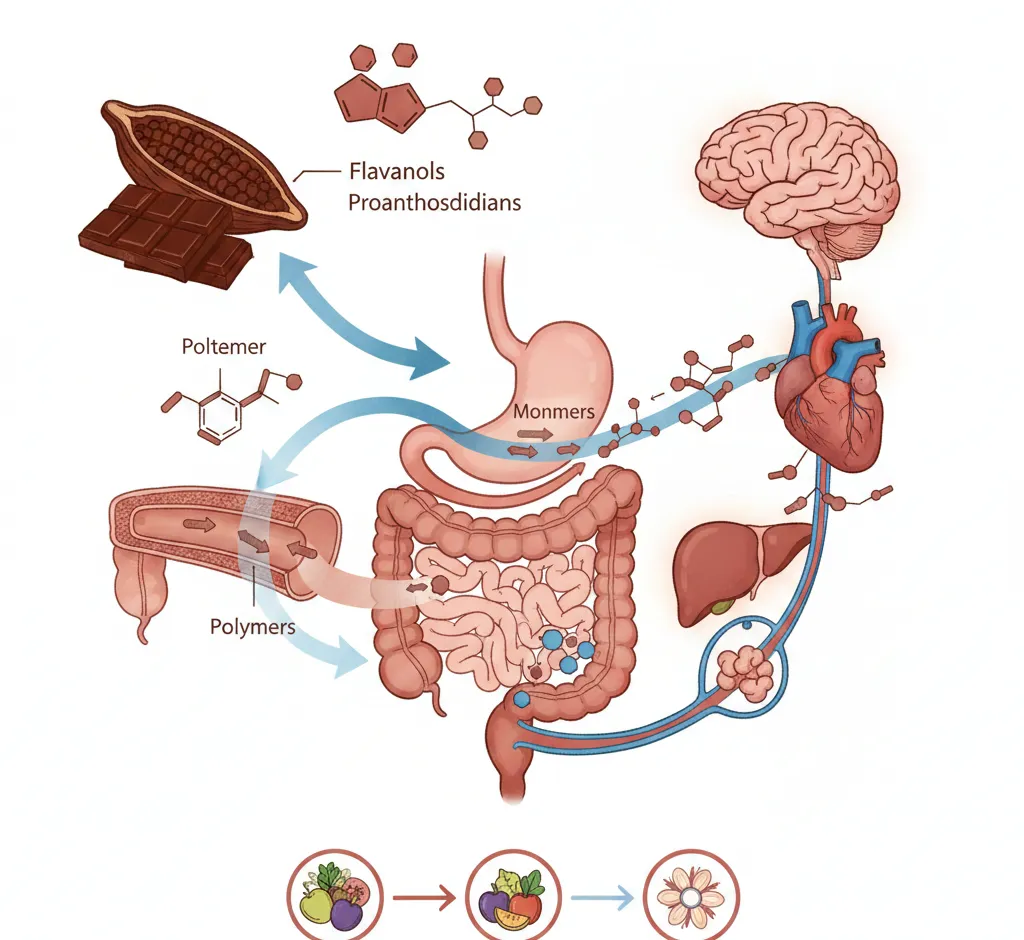
When people talk about the health benefits of chocolate, they usually refer to dark chocolate and cocoa, not sugary milk chocolate bars. The cocoa bean is rich in polyphenols, particularly flavanols, which have strong antioxidant and anti-inflammatory properties.
Main antioxidant components in chocolate
- Cocoa flavanols: These compounds can help protect blood vessels, support healthy blood flow, and reduce oxidative stress.
- Procyanidins: A type of polyphenol that contributes to the antioxidant capacity of cocoa and influences vascular function.
- Other polyphenols: Including catechins and epicatechins, which have been associated with cardiometabolic benefits in observational and clinical studies.
The higher the cocoa content in a chocolate product, the more polyphenols and antioxidants it typically contains. Dark chocolate with 70–85% cocoa is usually the most nutrient-dense choice compared with milk chocolate or white chocolate, which contain little to no cocoa solids.
Does Chocolate Contain Selenium?
Chocolate is not usually listed among the top selenium-rich foods (such as Brazil nuts, certain seafoods, and organ meats), but cocoa and chocolate can still contribute to your total selenium intake, especially if they are made from beans grown in selenium-rich soils.
Factors that affect selenium levels in chocolate
- Soil selenium content: Selenium concentration in cocoa beans depends heavily on the mineral content of the soil where the cacao trees grow. Regions with naturally higher soil selenium can produce beans with higher selenium content.
- Processing methods: Fermentation, roasting, and refining can slightly alter mineral levels, though selenium is generally more stable than delicate vitamins.
- Cocoa content: Dark chocolate contains more cocoa solids per gram than milk chocolate, so any naturally occurring selenium in the cocoa will be more concentrated.
- Added ingredients: Milk solids or other ingredients may also contribute small amounts of selenium, depending on their origin.
Although the absolute amount of selenium in chocolate is usually modest compared with major dietary sources, it can still act as a supportive contributor in a varied diet. The real value of chocolate, from an antioxidant standpoint, lies in the synergy between selenium and cocoa polyphenols.
Synergy: Selenium and Cocoa Antioxidants Working Together
Antioxidant defense in the body works as a network rather than a single magic bullet. Selenium-based enzymes, flavanols, vitamins, and other compounds interact with each other to maintain redox balance. Chocolate, particularly dark chocolate, offers a unique combination of polyphenols, minerals, and small amounts of selenium.
How selenium and cocoa polyphenols may complement each other
- Layered antioxidant protection: Selenium-dependent enzymes work inside cells and in the blood, while cocoa polyphenols can scavenge free radicals and modulate oxidative pathways at the tissue and vascular level.
- Support of endogenous defenses: Some studies suggest that cocoa polyphenols may help upregulate the body’s own antioxidant systems, potentially working alongside selenium-containing enzymes.
- Vascular and metabolic health: By reducing oxidative stress and supporting nitric oxide availability, cocoa antioxidants can promote healthy blood flow. Selenium, through its antioxidant roles, may further support cardiovascular integrity.
- Inflammation control: Oxidative stress and low-grade inflammation are closely linked. Combining dietary polyphenols with adequate selenium status may help maintain a more balanced inflammatory response.
This synergy does not mean chocolate should be your primary selenium source. Instead, think of high-quality chocolate as one enjoyable component in an overall antioxidant-supportive eating pattern.
Potential Health Benefits of Chocolate’s Antioxidant Profile
When consumed in moderation as part of a balanced diet, dark chocolate and cocoa may offer several potential health advantages related to their antioxidant content. While selenium is only one piece of the puzzle, it contributes to the overall protective effect.
Heart and blood vessel health
- Reduced oxidative damage to LDL cholesterol: Antioxidants in cocoa may help protect LDL particles from oxidation, a process associated with atherosclerosis.
- Improved endothelial function: Cocoa flavanols can support the function of the endothelium, the inner lining of blood vessels, helping to regulate blood flow and blood pressure.
- Supportive role of selenium: By limiting oxidative stress in the bloodstream and tissues, selenium-dependent enzymes may help maintain healthier vascular function.
Brain health and cognitive function
- Neuroprotection: The brain is particularly vulnerable to oxidative stress. Selenium-dependent selenoproteins are active in neural tissue, and cocoa antioxidants may offer additional protection.
- Blood flow to the brain: Cocoa flavanols can improve cerebral blood flow in some individuals, supporting cognitive performance in the short term.
- Mood and well-being: Dark chocolate contains bioactive compounds that can influence neurotransmitters and mood, contributing to subjective well-being.
Immune balance and inflammation
- Balanced immune response: Adequate selenium status supports immune cell function and can help maintain a controlled inflammatory response.
- Polyphenol effects: Cocoa polyphenols have been studied for their potential to modulate inflammatory signaling pathways.
These possible benefits are most relevant when chocolate is consumed responsibly, with attention to portion sizes and overall dietary quality.
How Much Selenium Do You Need?
Recommended intake levels for selenium depend on age, sex, and life stage. Most healthy adults require only a small daily amount, which can be met through a varied diet that includes foods like seafood, eggs, whole grains, nuts, and seeds, with chocolate acting as a minor contributor.
Avoiding both deficiency and excess
- Deficiency risks: People who consume very limited diets, live in areas with selenium-poor soils, or have certain medical conditions may be at higher risk of low selenium status.
- Toxicity risks: Excessive selenium intake, often from high-dose supplements or repeated consumption of extremely selenium-rich foods, can lead to symptoms such as hair loss, nail changes, gastrointestinal disturbances, and nervous system issues.
- Balanced approach: For most individuals, obtaining selenium primarily from foods rather than supplements is the safest strategy, unless a healthcare professional recommends otherwise.
Chocolate alone cannot meet your selenium requirements, but it can be part of a diverse dietary pattern that collectively supports optimal selenium status and antioxidant capacity.
Choosing Chocolate for Better Antioxidant Support
Not all chocolate is created equal. If your goal is to maximize antioxidant benefits while still enjoying the flavor, it helps to be selective.
Practical tips for selecting chocolate
- Prioritize high cocoa content: Choose dark chocolate with at least 70% cocoa to ensure a more concentrated profile of polyphenols and minerals.
- Check the ingredient list: Opt for products with simple ingredients such as cocoa mass, cocoa butter, a modest amount of sugar, and minimal additives.
- Watch sugar levels: High sugar intake can promote oxidative stress and metabolic imbalance, which may offset some of the potential benefits of chocolate.
- Quality over quantity: A smaller portion of high-quality dark chocolate is usually a better choice than large amounts of highly processed, sugary chocolate products.
Pairing chocolate with selenium-rich foods
Since chocolate is not a major selenium powerhouse, you can combine it with other selenium-containing foods to create balanced snacks or meals.
- Enjoy a piece of dark chocolate alongside a handful of nuts and seeds (such as sunflower seeds, cashews, or a small number of Brazil nuts).
- Use unsweetened cocoa powder in oatmeal prepared with milk or fortified plant-based beverages that contain additional minerals.
- Add cocoa nibs to yogurt or cottage cheese for a mix of protein, minerals, and antioxidants.
This way, you combine the pleasure of chocolate with a broader array of nutrients, including selenium from other sources.
Safe and Mindful Consumption: Balancing Benefits and Calories
While dark chocolate can be part of a health-conscious diet, it is still energy-dense and often contains significant amounts of fat and sugar. To take advantage of its selenium and antioxidant content without overdoing it, portion control is essential.
Guidelines for moderate chocolate intake
- Mind the portion: For most adults, about 10–30 grams of dark chocolate per day can be a reasonable range, depending on overall energy needs.
- Consider the bigger picture: The health impact of chocolate depends on your entire dietary pattern, physical activity, sleep, and stress management.
- Listen to your body: If you are sensitive to caffeine or theobromine, choose smaller portions or consume chocolate earlier in the day.
Individuals with specific health conditions—such as diabetes, gastroesophageal reflux, or certain allergies—should adapt their chocolate intake accordingly and consult with a healthcare professional if needed.
Who Might Benefit Most from Paying Attention to Selenium and Chocolate?
Focusing on selenium intake and antioxidant-rich foods such as dark chocolate can be particularly relevant for certain groups, although everyone needs some selenium for basic health.
Potentially interested groups
- People with limited dietary variety: Those who eat a restricted range of foods may want to monitor their selenium status more closely, with chocolate acting as a supplementary enjoyment rather than a primary source.
- Individuals interested in heart health: Dark chocolate, combined with selenium from other foods, may support cardiovascular well-being when included in a heart-conscious lifestyle.
- Adults under high oxidative stress: Smokers, highly stressed individuals, or people with very intense physical workloads may benefit from a diet richer in antioxidants, under professional guidance.
However, it is important to emphasize that chocolate is just one small part of a comprehensive strategy that includes fruits, vegetables, whole grains, quality protein sources, and healthy fats.
Key Takeaways: Chocolate, Selenium, and Antioxidants
Chocolate, particularly dark chocolate with a high cocoa content, can contribute to your overall antioxidant intake thanks to its rich polyphenol content and small amounts of minerals such as selenium. Selenium plays a central role in several antioxidant enzymes and supports thyroid function, immunity, and cellular protection.
- Chocolate is not the main source of selenium in the diet but can provide a modest contribution when produced from cocoa beans grown in selenium-containing soils.
- The real value of chocolate lies in the synergy of cocoa polyphenols, minerals, and other bioactive compounds that can complement selenium from other foods.
- To balance benefits and risks, choose high-quality dark chocolate with high cocoa content, moderate sugar, and reasonable portion sizes.
- For optimal health, combine chocolate with a varied diet rich in fruits, vegetables, legumes, whole grains, nuts, seeds, and other selenium-containing foods.
When enjoyed mindfully, dark chocolate can be more than just an indulgence. It can be a small but meaningful part of a dietary pattern that supports antioxidant defenses, including those driven by selenium, while still satisfying your taste buds.